
If your AC is blowing warm air, common culprits include clogged air filters, low refrigerant and a frozen evaporator coil. Staying on top of routine maintenance, like replacing filters every three months and scheduling annual professional tune-ups, can help Texas homeowners prevent cooling issues and keep their AC running year-round.
As a Texas homeowner, the last thing you want during the spring and summer months is for your AC to blow warm air. Not only does it make your home uncomfortable, but it can also indicate a deeper issue with your air conditioning unit.
What does it mean when your AC blows warm air? Typically, it signals that your AC is running but not properly cooling the air.
This guide covers the most common causes of an AC unit blowing warm air, why it’s more common in Texas homes and when you should call a professional. It also includes expert insights from Gary Cremeans, ABC Home & Commercial Service’s HVAC Operations Manager and licensed HVAC contractor.
Quick Checks Before Calling an HVAC Technician
According to Cremeans, there are a few things that homeowners can do to troubleshoot their AC issue before calling in a professional, including checking the drain line, filter, breaker and shutoff.
Thermostat Issues
If your thermostat accidentally switched to heat or fan only, the solution is simple. Simply switch it back to the cool setting and wait to see if the AC starts working properly again.
However, other thermostat issues can also cause your AC to blow warm air, such as a miscalibrated thermostat or a low battery. If you have a smart thermostat, there may be a tech issue or miscommunication happening that causes your AC to blow warm air when it’s set to cool.
To determine if your thermostat is the issue, follow this checklist:
- Make sure it’s set to cool
- Set the fan to auto
- Lower the temperature a few degrees below the room’s temperature
- Replace low or dead batteries
- Reset the smart thermostat settings
- Wait a few minutes to see if these fixes make a difference
Tripped Breaker or Power Issues
Another thing homeowners should investigate before calling an HVAC professional is the breaker. A tripped breaker, or other common power issues, offer easy solutions to get your AC working properly again.
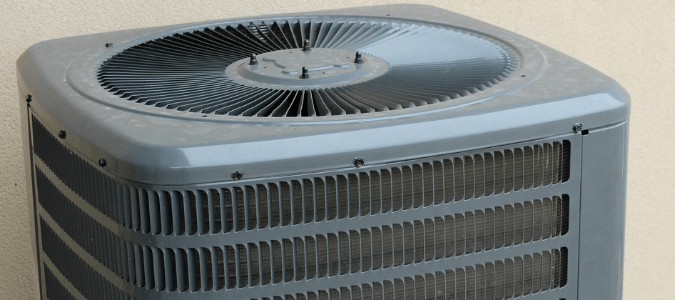
Your air conditioning system consists of two parts: the indoor unit and the outdoor unit. The indoor unit pushes air through your vents, while the outdoor unit cools the air.
If the outdoor unit breaker trips, the inside unit will continue pushing air through your vents, but it will be warm instead of cool.
Follow these steps to check your electrical panel:
- Locate the electrical panel
- Identify any breakers that are set to the middle or off position
- Flip the breakers fully off and then back on again
Additionally, it’s important to understand when you shouldn’t reset your breaker. If it trips again immediately, you notice a burning smell, there’s a buzzing or crackling sound or the panel feels warm to the touch, do not reset it and call a professional.
You can also check your air filters to see if they are dirty and need to be replaced. We will dive into this more in the next section.
Most Common Causes of an AC Blowing Warm Air
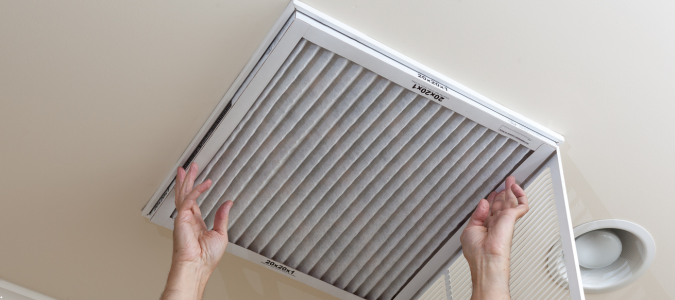
According to Cremeans, the most common causes of an AC blowing warm air include a clogged drain line, a dirty filter, a bad capacitor and loss of power.
Clogged Drain Line
A clogged drain line can happen when debris, dust and dirt build up in your drain line. When a clogged drain line occurs, the water that accumulates has nowhere to go. This can cause your unit to not work as efficiently, or make your unit shut off entirely.
Dirty or Clogged Air Filter
When your air filters are dirty or clogged, airflow is severely restricted. Eventually, this can lead to a frozen coil, which prevents the system from effectively cooling the air, so it pushes out warm air instead.
Texas homeowners should generally replace their air filters every three months. During peak cooling season, or if you have pets, allergies or live in a dusty area, you may need to change them more often.
Bad AC Capacitor
An AC capacitor is a small but important electrical component that stores and releases energy to run your AC’s compressor and fan motors. Other signs that your AC capacitor has gone bad include:
- The outdoor unit hums but the fan doesn’t spin
- AC struggles to turn on or takes a noticeably long time
- Circuit breaker trips
- The system randomly cycles off before reaching the set temperature
Loss of Power
As previously mentioned, if your circuit breaker trips or you have other power issues, your fan may still be pushing air into your home, even if the outdoor unit isn’t cooling the air.
Low Refrigerant Levels or a Refrigerant Leak
Refrigerant is a crucial part of the cooling process, as it’s responsible for absorbing heat from your indoor air. Low levels of refrigerant, or a refrigerant leak, mean your AC can’t do its job properly.
There are multiple signs of low refrigerant, including:
- Ice buildup on coils or refrigerant lines
- A hissing noise (often indicates a leak)
- Your AC runs long cycles but still doesn’t cool the air
- Your utility bill rises despite normal AC use
Due to EPA regulations, only certified HVAC professionals can handle refrigerant. If you suspect that low refrigerant or a refrigerant leak is the cause of your malfunctioning AC, call in an expert.
In Texas, extreme heat puts air conditioning systems under extra stress. The issues caused by low refrigerant levels can show up faster and cause more damage.
Dirty or Blocked Outdoor Unit
Several things can block your outdoor unit, including glass, debris and dirt buildup. The outdoor unit releases heat from your home. When it’s blocked, the heat has nowhere to go, and it recirculates into your home.
In light cases, you can clean the outdoor unit on your own. Start by turning off the power to the unit and gently rinsing the exterior with a hose. Clear at least two feet of space around the unit to remove all blockages.
If your unit is especially dirty, it’s best to schedule a professional cleaning, especially if you haven’t had it done in over a year and the problem persists after you clean it yourself.
Frozen Evaporator Coil
The evaporator coil freezes over when there’s restricted airflow, a clogged drain or low refrigerant levels. Signs include frost on the coil, water leakage and a weak airflow.
Running an AC unit with a frozen evaporator coil can cause significant damage to the compressor, which can result in costly repairs and replacements.
Faulty or Failing Compressor
The AC unit’s compressor plays a vital role in the cooling cycle, and warm air is often a key symptom of a faulty or failing compressor.
Other warning signs of a failing compressor include:
- Loud noises coming from the outdoor unit
- The system struggles to start or shuts off regularly
- The circuit breaker trips when the AC is turned on
Compressor repairs can be pricy, and depending on the age of your system, replacing the compressor may be the best option. Speak to a local expert for personalized guidance.
Ductwork Leaks or Disconnected Ducts
Ductwork issues are more common in older Texas homes and homes with past pest control issues. Signs of these issues include uneven cooling, excess dust and warm air blowing from specific vents.
If the problem is isolated to certain areas of your house, it’s a good idea to schedule a professional ductwork inspection.
Texas-Specific Factors That Make Warm-Air Problems More Common
The extreme heat and humidity in Texas, along with outdoor unit placement issues, can make warm-air problems more common. Luckily, there are solutions available.
Extreme Heat Load
When the temperature regularly rises above 95 degrees, it can impact the performance of air conditioning units. The system can struggle to keep up with cooling demands. This causes it to run longer cycles with less downtime, reducing efficiency and effectiveness.
In Texas, proper AC unit sizing is crucial for optimal performance. An undersized unit can’t keep up with the heat load, which leads to lukewarm air. An oversized unit, on the other hand, cools the air too quickly without dehumidifying it.
High Humidity Levels
High humidity increases strain on the evaporator coil, which can cause the coil to freeze up. This leads to reduced cooling efficiency and can cause the system to push warm air through your vents.
Outdoor Unit Placement Issues
Where your outdoor AC unit is installed makes a big difference. For example, units placed under direct sunlight tend to overheat more often, while light shade can improve performance. Dust storms, pollen and local vegetation can clog the system, which results in more warm air in your home.
How to Troubleshoot Warm Air Based on the Symptoms
Follow this guide to troubleshoot warm air based on the symptoms your AC unit is experiencing.
AC Warm Air Troubleshooting Guide
When You Should Call a Professional
If you notice any of these issues, you should call a professional:
- Ice on refrigerant lines
- Burning smell
- Breaker repeatedly tripping
- Sudden spike in electricity usage
Electrical and refrigerant issues can pose safety threats, so it’s important to enlist a licensed HVAC professional to deal with these components. Additionally, an expert can help you avoid costly repairs down the line, such as a failing compressor.
How to Prevent Your AC From Blowing Warm Air
To help prevent your AC from blowing warm air, Cremeans recommends being proactive,
“Change the filter regularly, and run white vinegar down the drain line when you replace it.”
Routine Maintenance Recommendations
- Replace your air filters every three months
- Pour white vinegar down the drain line every three months
- Clear blockages from the condenser as needed
Annual Professional Tune-Up Benefits
It’s a good idea to schedule annual professional AC tune-ups to prevent future issues. An expert will test the performance of your unit, check refrigerant levels and optimize your unit’s efficiency.
Frequently Asked Questions
Why is my AC not blowing cold air but the fan is running?
Why is my AC blowing warm air after a power outage?
Can low refrigerant cause warm air?
Does a dirty air filter cause warm air?
Keep Your Home Cool With Expert Help From ABC
ABC is a reliable, experienced HVAC provider serving homeowners throughout Texas. If your AC is blowing warm air, the cause could be anything from a clogged air filter to low refrigerant or a frozen evaporator coil.
The sooner you identify the issue, the sooner you can get your home back to a comfortable temperature. For a full diagnostic, repairs or preventative maintenance, reach out to an ABC HVAC professional.