A broken AC during hot, humid weather is never something you want to deal with. ABC Home & Commercial Services offers HVAC repairs from experienced technicians who take the time to find and fix the real problem.
What should you do if your AC isn’t blowing cold air? This situation can be stressful for Texas homeowners, especially during extreme summer heat.
Luckily, there are several ways to troubleshoot the issue before calling in a professional. This guide breaks down the common causes of your AC not blowing cold air, what you can check for and when to call in assistance.
It also includes expert insights from Gary Cremeans, HVAC Operations Manager at ABC Home & Commercial Services.
Why Is My AC Not Blowing Cold Air?
According to Cremeans, the most common reasons your AC isn’t blowing cold air is due to a clogged drain line, a clogged filter or a lack of power to your home.
Dirty Air Filter
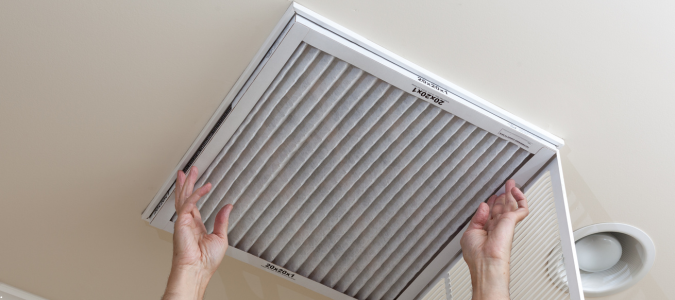
If your air filters aren’t being replaced regularly, generally every three months, they can become clogged. This can cause significant issues, including restricting the flow of cold air. Before doing anything else, replace your air filter and see if cold air resumes blowing.
Clogged Drain Line
Occasionally, your drain line can get clogged from the outside by things like leaves, dust, debris or even an animal blocking the line. When moisture is pulled from your AC unit and goes down the drain line, it has nowhere to go. If there is excess moisture pooling in your drain line, it can shut off your unit.
Lack of Power to Your Home
There is a chance that a breaker has tripped and you have lost power to part of your home. If this happens, the fan might still be blowing even though your air conditioner isn’t cooling. Check your breaker to see if it has tripped to solve the problem.
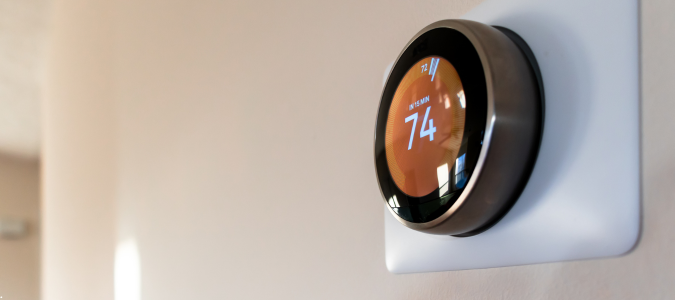
Thermostat Problems
If that doesn’t fix the issue, you could be dealing with a thermostat problem. For instance, you may not be getting any power to your thermostat, or you may need to replace the batteries.
Refrigerant Leak
Your AC unit may have a refrigerant leak, which will prevent it from effectively cooling the air. If this is the case, you need to call a professional to repair the leak. Another potential cause is a frozen evaporator coil, which can happen when refrigerant is low or when the filter is clogged. A frozen coil will stop the cooling process completely until the ice melts.
Dirty Condenser
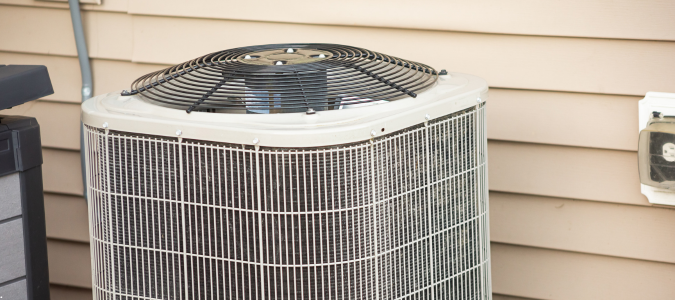
Next, your condenser unit, which is part of your outdoor unit, may be clogged or dirty, which prevents the system from efficiently releasing heat.
Leak in the Ductwork
Lastly, there could be a leak in your ductwork, which would cause cool air to escape before it reaches your home.
First Things to Check Before Calling an HVAC Technician
Before you call a technician, Cremeans recommends checking a few things on your own, such as your power, air filters, frozen AC components and your system’s drainage.
1. Check Your Thermostat Settings
Conduct the following checks:
2. Replace a Dirty Air Filter
Dirty air filters can clog your system and restrict air flow. This is why it’s important to replace them every three months, or more often if you have pets or allergies. Signs you need a new air filter include higher energy bills, reduced air flow from your vents, strange odors and increased dust in your home.
3. Check for Frozen AC Components
Check inside your air conditioning unit to see if anything is frozen. If you notice anything out of the ordinary, turn off the system and contact a licensed HVAC professional.
4. Check Your AC Drain Line
Similarly, if you notice that your AC drain line is full, you might check to see if anything is blocking the drain line outside before reaching out to a licensed professional.

More Serious Reasons Your AC Is Not Blowing Cold Air
Low Refrigerant
If your AC unit is still blowing air, but it isn’t cold, you could have low refrigerant due to a leak. Signs of a leak include ice on the refrigerant lines and hearing hissing sounds.
Keep in mind that a refrigerant leak doesn’t have a DIY fix. It should always be addressed by a licensed professional because an EPA certification is required for handling refrigerant.
Frozen Evaporator Coil
Airflow restriction and refrigerant issues can cause the unit’s evaporator coil to freeze, which shuts off the air cooling process. Signs of a frozen coil include weak airflow and ice buildup around your system.
Before your AC unit can perform optimally again, you need to turn it off and contact an HVAC pro. They will diagnose why your evaporator coil is freezing up and make any needed repairs. If you notice ice buildup on your unit, a pro can also show you how to keep your air conditioning from freezing up and what you can do to prevent it from happening again.
Electrical or Capacitor Failure
If your outdoor unit isn’t turning on, you likely have an electrical issue or capacitor failure. You may also hear clicking sounds coming from your unit or your breaker repeatedly tripping.
In Texas, prolonged heat puts excess stress on capacitors, which can eventually cause them to fail. To keep your home cool during the summer, call a professional to get to the bottom of any electrical issues.
Ductwork Leaks or Disconnections
The problem may not be with your AC unit, but with your ducts. If your ducts are leaking, the cold air is leaving your home from the attic before it ever reaches you. A common sign of ductwork leaking is uneven cooling throughout your home. You may also see a spike in your energy bills despite maintaining your regular habits.

Why Your AC Runs but the House Still Isn’t Cooling
When your home isn’t cool, an easy assumption is that your AC unit isn’t working. However, sometimes the AC appears to be running perfectly fine, but your house still isn’t cooling. When this happens, there’s a deeper issue going on.
First, your AC unit may be the wrong size for your home. An undersized unit can’t effectively cool a large house.
If your system is over ten years old, it could be experiencing regular wear and tear that comes with age. Ask an HVAC professional if it’s time to replace your system.
Other issues include poor attic insulation, air leaks around your doors and windows and high Texas humidity stressing your system. For fixes to each of these issues, speak to a professional.
What Our Customers Say
“Our AC stopped cooling in one of our zones after a power failure, and after some attempts to reset the system it stopped cooling our whole house. This is the worst case scenario for anyone living in Texas. ABC promptly answered their phone, got with their dispatch, and worked in our repair same day within a few hours.
If that wasn’t enough, they sent us what has got to be one of their best techs. He went above and beyond a simple diagnosis of the problem, but went through our whole system to find an underlying wiring issue that caused the initial zone communication problem in the first place.
Spending the extra time to be thorough and solve the problem in a cost effective way for the customer has definitely sold me on solely using them for any repairs going forward. I will be recommending them to all my friends and family in the area from now on!”
— Jacob B.
When to Call an HVAC Professional
If DIY fixes and basic checks don’t fix your AC cooling issue, it’s time to call in a professional. Additionally, if you notice ice buildup on your unit, strange smells, a burning odor or electrical issues, it’s best to rely on an expert. If your outdoor unit isn’t turning on or you notice the air conditioner fan isn’t spinning but hums, this is usually a sign of an electrical issue or capacitor failure that needs professional attention.
If you have an older air conditioning unit, it’s best not to attempt to fix it yourself. A certified HVAC specialist will have the proper expertise and tools to handle an older unit. Plus, they can let you know if it’s time to replace the unit entirely.
What to Expect During an AC Repair Visit
When you call an HVAC pro with an air conditioning issue, they’ll start by performing a full system diagnostic test of your unit. Next, they’ll check the pressure of your refrigerant and perform an electrical test. If those tests don’t have clear results, they’ll measure your airflow.
Before any repairs begin, your technician will walk you through a clear written estimate so there are no surprises.
How to Prevent Your AC From Blowing Warm Air Again
According to Cremeans, the best way to prevent this issue from recurring is to maintain your air conditioning unit and change your air filters regularly.
Schedule Annual AC Maintenance (Spring Tune-Up)
Each spring, schedule routine AC maintenance with a professional. They’ll clean the coil, check refrigerant levels, perform an electrical inspection and flush the drain line. Each of these actions will help keep your unit functioning properly all summer long.
Change Filters Regularly
The easiest way to stay on top of air filter changes is to set a recurring reminder every three months.
Keep Outdoor Unit Clear
For proper home cooling, keep your outdoor AC unit clear of debris. It’s especially important for Texas homeowners to consider their landscaping carefully to make sure they aren’t blocking the unit.
Frequently Asked Questions
Why is my AC running but not cooling?
Should I turn my AC off if it’s blowing warm air?
How long should an AC unit last in Texas?
AC Not Blowing Cold Air in Texas? We’re Here to Help.
You don’t have to suffer through an air conditioning malfunction.
ABC Home & Commercial Services is a locally owned and operated company that has been helping Texas homeowners with HVAC emergencies for decades. If your system needs attention, our team is ready to help.