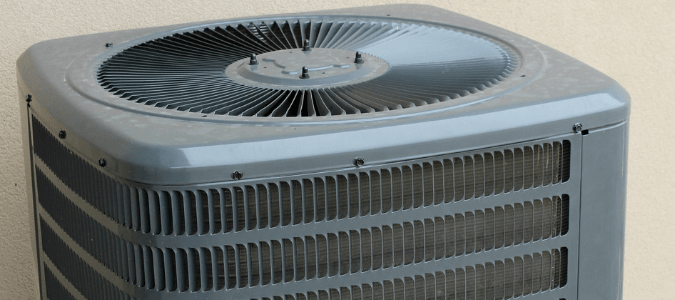
If your AC unit turns on, runs for a few minutes, then shuts off before the house starts to feel cooler, that’s usually the first clue something is off. One common reason is AC short cycling, which means the system keeps starting and stopping before it finishes a normal cooling cycle.
At first, it may not seem serious. Cool air might still come through the vents, and the house may feel mostly fine for a while. But what you may not realize is that each restart puts stress on the system. Startup is one of the hardest parts of the cycle. Over time, that repeated stop-and-start pattern can wear parts down faster and push your energy costs higher.
In Texas, where AC systems often run hard for long stretches of time, short cycling tends to show up faster and create problems sooner. It’s helpful to know what causes it, what you can check yourself and when it’s smarter to bring in a technician.
What Is AC Short Cycling?
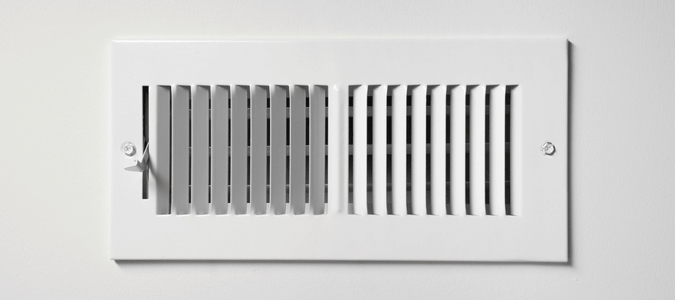
AC short cycling happens when your system turns on, runs briefly, then shuts off before it has done the full job. A few minutes later, it starts again, repeating the same pattern.
Under normal conditions, an AC should stay on long enough to cool the house gradually, pull moisture out of the air and shut off once the thermostat reaches the set temperature. With short cycling, that steady pattern gets cut short.
This matters because the hardest part of each cycle is the startup. When the system keeps restarting instead of running normally, parts take on more wear than they should. The house often never feels as comfortable as it ought to.
Signs Your AC Is Short Cycling
Sometimes short cycling is obvious because you hear the system turning on and off every few minutes. Other times, you may notice comfort issues, like uneven temperatures or rooms that won’t cool down, before realizing the system is the cause.
You may notice:
- The AC starts and stops more often than usual
- Some rooms cool faster than others
- Your electric bill climbs even though your thermostat settings have not changed
- The house feels humid even when the AC is running
- The system struggles more during peak Texas heat
A unit that keeps restarting may still blow cool air, but it often doesn’t stay on long enough to cool evenly or remove moisture the way it should.
What Causes AC Short Cycling?
1. Dirty Air Filter (Most Common Issue)
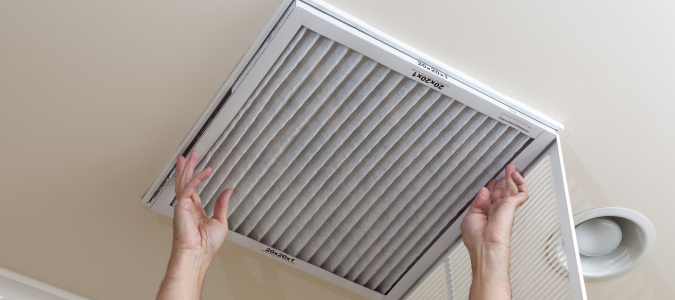
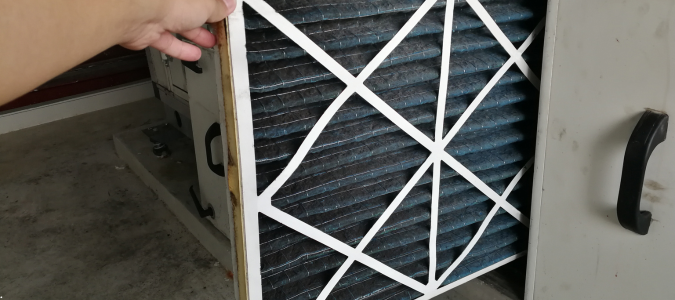
A dirty air filter is one of the most common reasons an AC starts short cycling. When airflow gets blocked, the system cannot move air the way it should. This causes parts inside to heat up faster than normal. To protect itself, the unit may shut off early before the cycle is finished.
This happens often in Texas, especially during heavy pollen season or dry stretches when dust builds up faster than expected.
2. Low Refrigerant Levels or Leaks
Refrigerant is what allows your AC to absorb heat from the air and return it to your home cooler. When the level drops too low, the system can still run, but it’s no longer doing the job the way it should.
Sometimes, the first thing people notice is the unit turning on and off more often while the house still feels warmer than expected. In some cases, airflow starts feeling weaker too, or the air coming through the vents is cool at first but not for long.
3. Oversized AC Unit
Sometimes an AC unit is simply too large for the space it’s cooling. It lowers the temperature near the thermostat so quickly that the system shuts off before the rest of the house has had time to cool down.
At first, it can seem like the unit is working well, but shorter cycles often leave humidity behind. One room may feel fine while another still feels warm or damp, which is common if the system was oversized from the start.
4. Thermostat Issues or Poor Placement
A thermostat needs a reliable reading to control the cycle correctly. If it sits near a sunny window, supply vent or heat-producing appliance, it may read the temperature too soon or too often.
That can cause the AC to turn on and off more than it should, because the thermostat reacts to a false temperature change.
5. Frozen Evaporator Coil
A frozen evaporator coil can cause the system to shut off sooner than it should. This usually begins when airflow drops too low or refrigerant levels aren’t what they should be. Either one can let moisture build up and freeze along the coil.
Once ice starts forming, the AC has a harder time moving air and cooling properly. The system may still turn on, but it often shuts down early because that cooling process is no longer moving the way it should.
6. Electrical or Control Board Problems
Sometimes the trouble has less to do with airflow and more to do with what is happening behind the scenes electrically. A failing relay, worn-out sensor or even a control board that’s starting to act up can interrupt the cooling cycle without much warning. This can happen even when the rest of the system appears to be running normally.
From the outside, everything may look fine, but the system can still shut down at the wrong time or behave unpredictably because one internal component isn’t communicating with the rest of the system. In most cases, finding the cause takes professional testing. These problems usually don’t show obvious signs until someone checks the electrical side closely.

Why AC Short Cycling Is a Big Problem in Texas
In Texas, air conditioners often run longer and harder than they do in other parts of the country. During long stretches of heat, the system depends on full cooling cycles to keep indoor temperatures stable. When short cycling starts, that normal rhythm breaks down.
Each time the unit starts, it uses more energy than it does while running steadily. If that keeps happening all day, the extra starts add strain to parts like the compressor and fan motor.
That strain usually shows up on the electric bill, too. A system that keeps restarting often uses more power while doing less actual cooling. This means homeowners may pay more, while the house feels less comfortable.
How to Fix AC Short Cycling
Quick DIY Fixes to Try First
A few simple checks can sometimes stop short cycling before it turns into a bigger repair:
- Replace the air filter if it looks dirty or if it’s been more than 3 months since changing it
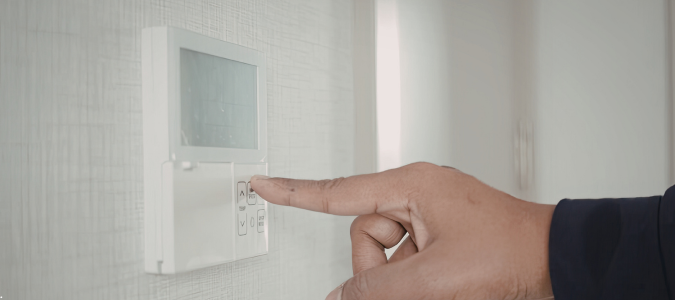
- Check that the thermostat is set correctly and not switching modes unexpectedly
- Make sure vents are fully open and not blocked by furniture or rugs
- Look for ice on the indoor coil or refrigerant line
A clogged filter is often the first thing worth checking since restricted airflow can affect the whole cooling cycle.
When DIY Is Not Enough
Some causes can’t be fixed from the thermostat or filter area. Refrigerant leaks need professional repair because you need a license to handle refrigerant. Electrical problems can also interrupt cycles without warning, especially when relays or sensors begin failing.
System sizing problems are different because the issue may trace back to how the unit was installed. If the equipment is too large for the home, short cycling often continues until the underlying sizing issue is addressed.

When to Call a Professional HVAC Technician
Warning Signs You Need Professional Help
Some signs suggest the system needs more than a basic check:
The AC will not stay on longer than a few minutes
Warm air keeps coming through the vents
Ice buildup or water appears around the unit
The breaker trips more than once
When those signs show up together, the problem often goes beyond a dirty filter.
What a Technician Will Check
A technician usually starts by checking refrigerant levels to see whether the system is cooling properly. They will also inspect electrical parts, airflow and ductwork, since short cycling can begin in more than one area. If needed, they may also look at whether the system size matches the home.
How to Prevent AC Short Cycling
The best way to prevent short cycling is by catching small problems before they affect the whole system. Most of the time, this comes down to regular HVAC maintenance. In places like Texas, where air conditioners work hard for much of the year, two service visits annually are often recommended.
Stay Consistent With Filter Changes
Clean filters matter more than many homeowners think. When a filter gets clogged, airflow drops, and that one small issue can create a chain reaction:
- The system overheats
- Evaporator coils can freeze
- Cooling cycles become shorter and less efficient
Sometimes a simple filter replacement fixes what feels like a bigger problem.
Keep the Coils Clean
Both indoor and outdoor coils need to stay clean so heat can move through the system properly. When dirt builds up, the unit has to work harder to release heat, and cooling can start to feel uneven or unstable.
A dirty coil doesn’t always look dramatic, but performance often drops before homeowners realize why.
Make Sure the System Is Properly Sized
An oversized AC often cools too quickly, shuts off too soon and doesn’t run long enough to balance temperature and humidity. A properly sized system runs in steadier cycles and keeps comfort more consistent.
Use a Thermostat That Responds Well
Many homeowners do better with a programmable or smart thermostat. These help the system react more consistently to indoor temperature changes, rather than turning on and off too quickly.
Check Refrigerant Before Problems Build
Annual refrigerant checks can help catch small leaks early, before cooling performance starts to drop or the unit begins short cycling more often.
In many homes, short cycling starts quietly. A little prevention now is far better than waiting until the system starts shutting down in the middle of summer.
Frequently Asked Questions About AC Short Cycling
Can a dirty filter cause short cycling?
How long should an AC cycle normally last?
Can short cycling damage my AC?
Should I turn off my AC if it is short cycling?
What to Do If Your AC Keeps Short Cycling
A short-cycling AC may start as a small annoyance, but it usually means the system is working harder than it should. The longer it starts and stops early, the more strain it puts on your AC system.
In Texas heat, this matters even more because cooling systems do not get much downtime during our hottest months. A problem that seems minor in the morning can feel much bigger by late afternoon when the house starts heating up.
For homeowners in Texas, ABC Home & Commercial Services has professional, licensed HVAC technicians who understand how Texas weather affects cooling systems. If you’re having an urgent AC problem, our team also offers 24/7 emergency service.