ABC Blog

How Fast Do Bed Bugs Multiply?

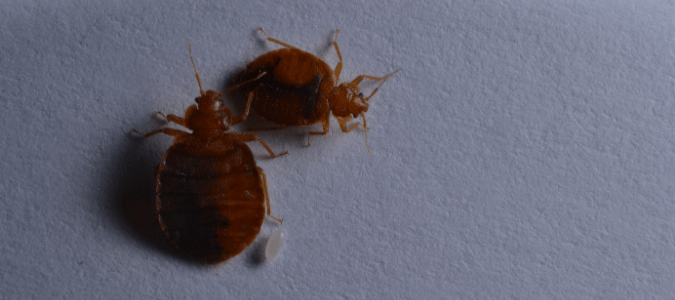
two adult bed bugs next to a bed bug egg

If you have found a bed bug or you’re experiencing the signs of a bed bug problem, you likely have plenty of questions. Like, how fast do bed bugs multiply? The good news is that they don’t reproduce as quickly as some other pests do. Bed bugs only lay one or two eggs a day. The bad news is that it can be difficult to catch a bed bug problem early. And, once a bed bug infestation is established, it is incredibly hard to get rid of.

Bed bugs are tiny and excellent at hiding. Lots of times, when bed bugs reproduce, they do so in unexpected places—not just in a bed or mattress, as their name suggests. These pests may nest behind baseboards, hanging picture frames or loose wallpaper. They might hide and nest in drawers, between cushions or floorboards, or even in tiny cracks in walls.

So, how can you confirm … Read Full Post »

How To Identify a Rat’s Nest

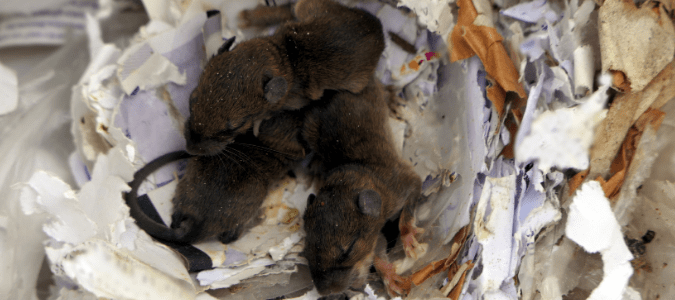
Three dark-colored immature rats sleeping in a nest made of torn paper and other materials

Spotting a rat’s nest might be the first sign of an infestation in your home. But how do you know if what you’re seeing is the home of one of these hard-to-spot rodents, particularly if you don’t observe the rat itself? Rodents tend to nest in more protected areas that homeowners don’t usually frequent. In addition, different species of rats build nests that typically vary in appearance and can be found in different spots on your property. Generally speaking, a rat’s nest looks like a ball that is 4 to 6 inches in diameter that is loosely woven.

Norway rats, also called sewer rats or brown rats, are stocky rodents that often dig burrows in moist areas, such as under woodpiles or trash, along home foundations, fields or in gardens. They line these nests with fibrous materials, such as cloth or shredded paper. If these rats come into a building, they … Read Full Post »

How Do Mice Get in My Attic? Rodent Proofing 101

A mouse scurrying around in an attic

If you’ve noticed signs of mice in your attic—such as droppings, piles of shredded paper or insulation, scratching or squeaking noises coming from within the walls or actual mouse sightings—you’re probably wondering how the mice got there.

Mice, rats and other rodent pests normally get into attics, garages and homes through gaps in exterior walls that lead to interior spaces. Even a seemingly tiny gap around a dryer or bathroom vent, for example, can be a good entry point for a mouse, since mice can squeeze through holes as small as the size of a dime. Yes, you read that right! These creatures are incredibly well-adapted to contort their bodies to fit through extremely small holes.

The reason why mice infiltrate people’s homes is the same as that of any animal trying to get inside: They are seeking warm, dry shelter; food and water and a good place to build a nest … Read Full Post »

There’s a Raccoon in My Attic: What Can I Do?

A raccoon sitting on a homeowner's roof

Are you hearing something going thump in the night? If so, this might mean a raccoon family is living rent-free in your attic or crawl space. Some of the first signs that you might have raccoons in your home include the sounds of an animal moving around in the attic or chimney.

Other ways homeowners often find out these animals have moved in include visible indications, such as pawprints or damage to their house’s shingles, electrical wiring or insulation. They might also notice an accumulation of nesting materials inside the house, a destroyed garden or debris around their property, such as dead birds, feces or scattered trash.

If you spot possible signs of a problem, some ways to check whether you have raccoons on your property instead of another pest include looking at the pawprints and scat the animal left behind. Raccoons leave hand-like prints with their five-fingered paws, and their droppings … Read Full Post »

What Smells Do Mosquitoes Hate? How to Get Relief

a thumbnail from the video featured in this blog

Enjoying a beautiful, warm day in your yard can be spoiled by the unpleasant experience of getting covered in mosquito bites. After constant, miserable itching, you’re ready to find a solution to keep these bothersome insects away from you. So, what can you do to ward off mosquitoes? Are there any smells that mosquitoes hate that you could spray around your yard or even put directly on your skin to keep from getting bitten?

Scientists have studied the varying effectiveness of certain scents to repel mosquitoes, but insufficient research has been done to compare these to chemically-formulated repellents. Studies show that mosquitoes don’t like the smell or taste of DEET, which is one reason that repellents with that chemical compound tend to be more effective than some others. According to Alan Brown, Board Certified Entomologist and Technical Director at ABC Home & Commercial Services, DEET is the number one scent to … Read Full Post »

How Many Times Can A Mosquito Bite?

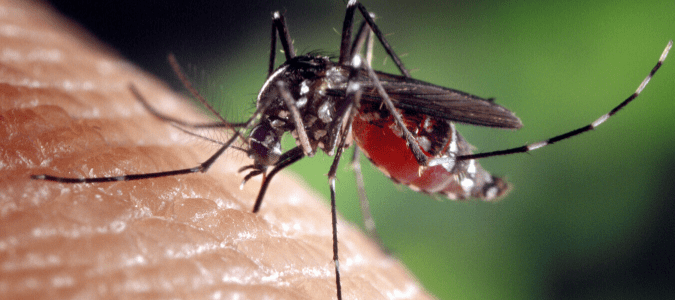
A mosquito biting someone

If you’ve ever spent a beautiful evening in your yard, only to later discover that you’re covered in mosquito bites, you’ve likely wondered how many times a mosquito can bite. Was it just one mosquito that’s to blame for your current situation, or was it a whole swarm that descended on your property?

Simply put, a mosquito can bite as many times as she wants or can. There is no limit. Female mosquitoes (and only females!) feed on blood until they are full. If a mosquito is interrupted before filling up, she’ll just bite again. Once her abdomen is full of blood, she rests for 2 to 3 days and then lays her eggs. Most mosquito species live up to about three weeks. During that time, a female can lay up to five clutches of at least 100 eggs at a time. Unfortunately, this means that your mosquito problems aren’t going … Read Full Post »

Can Bed Bugs Live In Carpet? Your Questions Answered

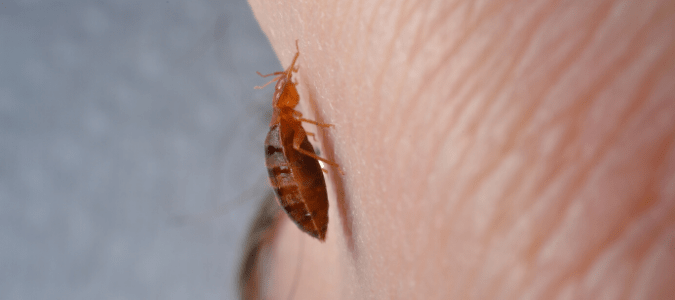
A bed bug crawling on someone

If you’re currently dealing with a bed bug infestation, or wonder if what you have seen in your home are bed bugs, you probably are wondering where these pests can be hiding. Since we typically can’t feel a bed bug bite, it can be difficult to know when we are getting bitten, even if we understandably assume it’s in our beds. To make matters even more complicated, some people don’t have an allergic reaction to a bed bug bite until as long as two weeks after it happens. With that in mind, how can you find these tiny pests? Can bed bugs hide in your carpet? Where else do they tend to spend time?

Yes, bed bugs can live in carpet, as well as in and around just about every upholstered surface in your home. A bed bug’s narrow body lets it hide easily in the smallest cracks and crevices, including … Read Full Post »

Do Mosquitoes Nest? Controlling These Pests

A backyard with lots of greenery that could contain a mosquito nest

Some people aren’t bothered by mosquitoes, but most of us can’t stand them. Their itchy bites, that annoying whine in the ear, even the tiny tickle on the skin when they’re hovering around—for many of us, mosquitoes are seriously annoying! Summertime is prime mosquito season, but if you live in a warmer, wetter part of the country, you might have to deal with them for the better part of the year. And if you have a mosquito problem at your home, you might find yourself wondering whether or not mosquitoes make and live in nests.

This is a great question, and the answer involves an issue of semantics. Mosquitoes do not technically nest or build nests for living and breeding the way that ants, termites, bees, wasps and other insects do. Since mosquitoes aren’t social the way these other insects are, they have no need for a nest. While mosquitoes don’t … Read Full Post »

Brown Recluse Vs Wolf Spider: Which One Is On My Property?

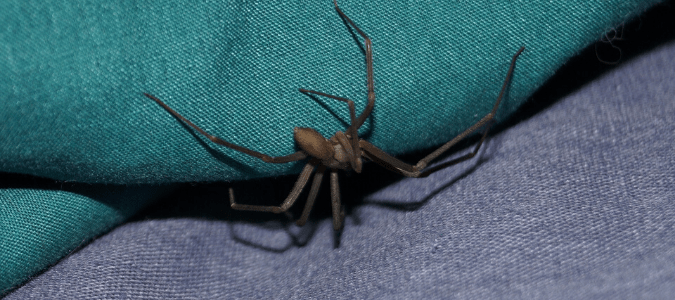
A brown recluse spider

You may be anxious after finding a brown spider in or around your home. After all, you know that brown recluses are native to the area and a bite from one of these spiders can be dangerous. That said, you’ve also heard about wolf spiders. Wondering which type you have spotted? There are a few major differences between a brown recluse and a wolf spider that can help you properly identify which is which, including:

  • The size. A wolf spider is shockingly large, growing up to an inch and a quarter in length. Meanwhile, the brown recluse is rarely larger than three-quarters of an inch.
  • The appearance. As its name suggests, the wolf spider is hairy, with a fuzzy or furry appearance. In contrast, the brown recluse spider has smooth body parts.
  • Markings. The wolf spider has a pattern on its back with multiple colors, most commonly stripes, whereas the brown recluse is … Read Full Post »

Termite Frass And Other Signs Of An Infestation

Tube of termite frass on a baseboard

Termites are stealthy, destructive pests that cost homeowners in the U.S. billions of dollars in damage each year. Part of the reason these pests are capable of causing such extensive damage is that they tunnel underground and out of sight. However, there are a few signs that a homeowner can look out for that indicate the presence of termites, including termite frass, which is the technical term for this insect’s waste products.

Other common signs to look out for that can indicate that you have termites on your property include:

  • Flying swarmers
  • Piles of wings
  • Mud tubes
  • Cracking wood or wood surfaces that sounds hollow when you knock against them

Subterranean termites mix their feces with saliva and chewed wood to make their tunnels, called mud tubes. These passageways are most commonly found around the foundation of your home or along walls. About as thick as a pencil, mud tubes are typically brown, or are similar … Read Full Post »