ABC Blog

Tarantula Hawk: Is It An Arachnid, A Bird Or Something Else?
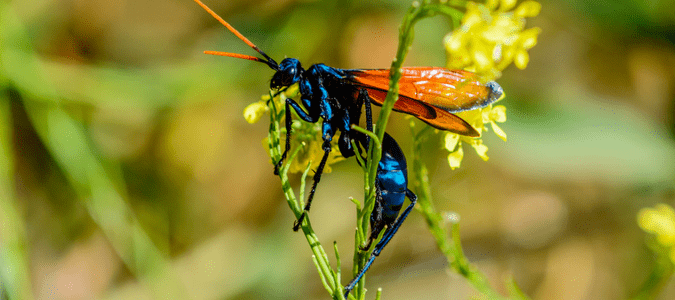
Tarantula hawk

Before we go into detail about the tarantula hawk, let’s make sure one thing is clear: this creature, contrary to what its name might suggest, is not a spider, nor is it a hawk. In fact, the tarantula hawk is one of the largest wasps found in Texas and other desert environments in the southwestern parts of the United States.

If this animal is an insect, how did it get its name? Believe it or not, this type of wasp, which is distinct because of its large size, red wings and bright, metallic blue-black coloring, preys on tarantulas. When this wasp stings a tarantula, the arachnid becomes permanently paralyzed.  The tarantula wasp then buries the spider in a hole in the ground or in the tarantula’s own underground nest. To finish the job, the wasp lays its eggs on the paralyzed spider. Once the wasp’s larvae hatch, they feed on the still … Read Full Post »
Black Vine Weevil: Protecting Against This Lawn Pest

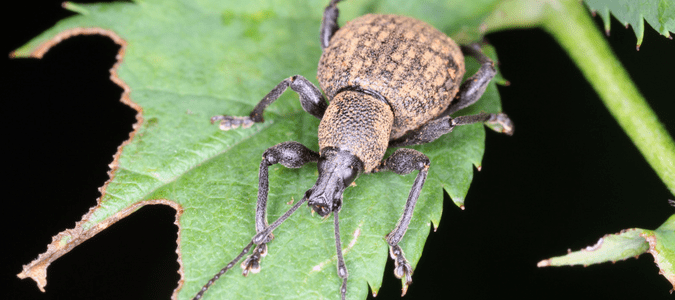
black vine weevil

The black vine weevil, also known as the taxus weevil, is a serious threat to gardens across the world—yet many homeowners have never even heard of this insect, which can kill entire trees, starting at the roots. Originally from Europe, the black vine weevil made its debut in the northeastern United States sometime in the mid-nineteenth or early twentieth century. Now, this pest has reached most parts of the U.S., as well as many parts of Europe and Asia, and has earned the reputation of being the most destructive type of root weevil.

Adult black vine weevils particularly love to feed on the leaves of rhododendrons, azaleas, peonies, wisteria and Japanese holly. This can cause cosmetic damage—notches and holes in the plants’ leaves that result in a tattered, moth-eaten appearance—but this isn’t the worst of this pest’s potential for damage. Black vine weevil larvae feed on the roots of many plants, … Read Full Post »

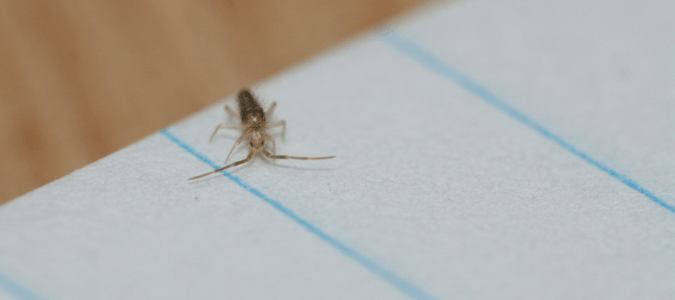
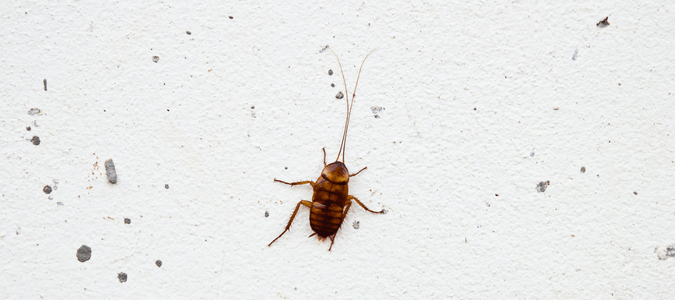
Tiny Roaches: Are They Babies Or A Big Problem?

Tiny roaches

If you’ve never come face to face, or face to toe, with a cockroach before, consider yourself lucky. These insects are one of the most common household pests. If you haven’t found one inside your home yet, chances are that you will eventually come across one sooner rather than later. Unfortunately, it’s not just one type of cockroach you can encounter. There are a variety of species to look out for that come in different sizes and colors, too.

Take tiny roaches, for example. Both smaller in size and different in color, these cockroaches can puzzle even the most savvy homeowner. If you want to learn more about these small creatures that can cause a big disruption in your household, keep reading for information about types of roaches, what baby roaches look like what to do when you run across these creatures in your home, and most importantly, how to get … Read Full Post »

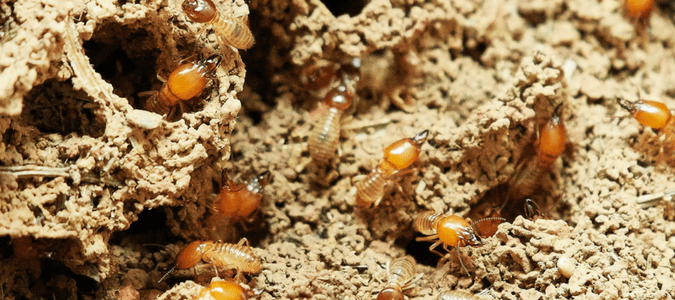
What Do Termites Look Like To the Human Eye?

What do termites look like to the human eye

Even though you try to keep your home well-maintained, you’re no stranger to having bugs indoors. Flies buzz in when you leave the door open while grilling. Spiders creep around in the corners and (hopefully) catch those flies. Ants show up every once in a while to remind you that it’s not a good idea to leave out that last piece of pie.

So, while you wouldn’t call yourself an expert, you pretty much know what the most common bugs look like. Right now, though, you’re just not sure. Was that swarm of flying bugs you came across the other day ants? They kind of looked like ants, but perhaps they were another type of insect entirely. You’ve heard that people sometimes mistake termites for ants, so now you’re worried.

How can you tell the difference? Should you be calling someone in?

No matter who you are, the thought of having termites invade … Read Full Post »

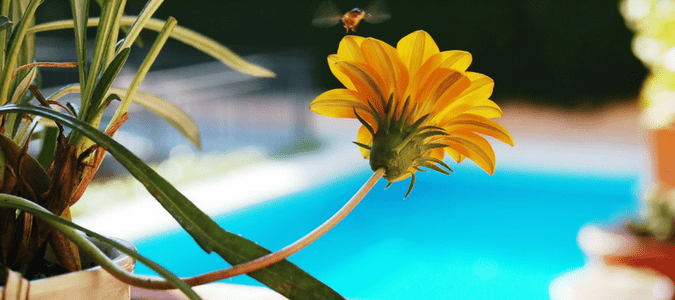
How To Keep Bees Out Of Pool And Avoid Other Stinging Insects

How to keep bees out of pool

With summer coming soon and warm weather already here in the south, you decided it was time to get the pool ready. So, you went to the store to stock up on chemicals and cleaning supplies. You knew it might be a big job, but nothing could have prepared you for what you found: bees. Dozens of them. Treating your swimming pool like their own personal drinking fountain.

This is not an uncommon scenario for pool owners. Not just bees either, but other stinging insects, such as wasps. Maybe you just want to take a dip in the pool, but you can’t go more than a few feet without worrying about getting stung. If a family member of guest is allergic to bee stings, this is especially important. Or, perhaps, your poolside barbecues don’t just get invaded—they get swarmed.

You’re not too keen on the idea of getting stung while trying to escape … Read Full Post »

How To Get Rid Of Springtails: Handling A Springtail Infestation

how to get rid of springtails

When hearing the word springtail for the first time, some people might be surprised to learn that this is considered a pest. Those who live in dry climates are even less likely to have heard of one before, as these small pests typically inhabit moist environments. If you have heard of these pests, however, you may already know that in the spring and summer months, when the weather is humid and moist, springtails can become quite the nuisance. Despite their incredibly small size—most species that make their way into homes range between one and two millimeters—their presence alone leaves homeowners searching for information on how to get rid of springtails.

Although entomologists and agricultural extension agents agree that springtails do not bite, many people have this misconception. One of the primary reasons that this myth has been perpetuated is that springtails and fleas are often mistaken for one another, and fleas … Read Full Post »

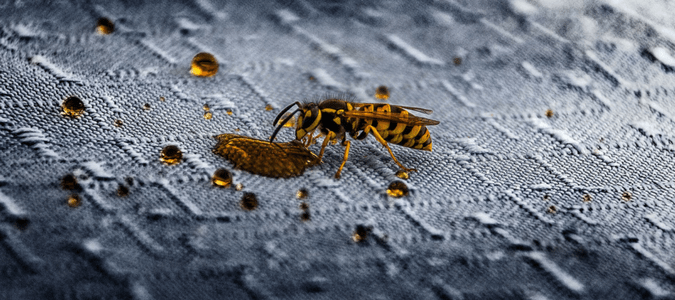
How To Keep Wasps Away

What attracts wasps

If you’ve ever heard a loud buzzing noise circling around your head, chances are, you’ve seen or encountered a wasp. Chances are, you’ve also wondered about wasp deterrent shortly afterward. While our initial instinct is to swat and shoo them away, thinking the insect is planning to sting us, the first thing you should know is that most wasps are solitary, non-stinging varieties. Here’s another fact about this insect that might surprise you: there are around 30,000 identified species.

Often mistaken for a bee, a wasp is actually quite different. Their coloring can range from yellow to brown, metallic blue and bright red, with the brighter colored wasps generally belonging to the Vespidae family, or stinging wasps. Another distinct feature is the insect’s body. Wasps have a pointed lower abdomen and a narrow waist called a petiole, which separates the abdomen and thorax. Whereas bees live in colonies in the beehive, wasps … Read Full Post »

Swimming Pool Bugs: Types and Risks They Pose

Swimming pool bugs types

On a hot summer afternoon, it’s nice to take a dip in the pool for a brief respite from the southern heat. One day, your relaxation is interrupted by a sharp, stinging sensation. Startled, you quickly jump out of the water, then peer into your pool from the edge until you find them: water bugs.

Apparently, they sting. Or bite. Clearly, they need to go.

What should you do?

The first thing you need to realize is you’re likely to find all kinds of bugs and insects in your pool from time to time. Everything from spiders to caterpillars to ants can make their way into your pool water. Bugs are everywhere, and just like people, they can take a wrong turn and slip and fall.

These aren’t the kinds of bugs you need to worry about in your pool. While you certainly don’t want to end up swimming with a wasp, you also … Read Full Post »

Do Water Bugs Bite? Taking The Sting Out of Your Next Outing

Do water bugs bite

Imagine that you are taking your dog for a quick swim in the creek in the greenbelt in your neighborhood. By anyone’s standards, not a particularly dangerous activity. It’s the end of August, a great time for both of you to cool off from the oppressive heat.

You decide you might as well take off your shoes and dip your toes into the cool water. 

Then it happens. One minute you were laughing and your pup was splashing around, and the next minute, you suddenly feel an intense pain in your toe, causing you to scream.

You look down, expecting to see a snake. Instead, you see a frighteningly huge bug swimming away. Was that a giant cockroach or beetle? You may even have a simpler question: do water bugs bite?

Immediately you pull on your dog’s leash and limp out of the water as you begin to feel the pain shooting up your … Read Full Post »

Can Fleas Live on Clothes? Keeping Fleas from Spreading

can fleas live on clothes

Can fleas live on clothes? The easy way to answer the question is no, but that’s a question that pops into many homeowners’ heads, especially when they have a pet with fur that’s become infested with these tiny parasites. Fleas are irritating pests, to be sure: Their itchy bites can cause serious health issues in animals, including dermatitis and anemia. These tiny bugs can even carry infectious diseases that affect humans, such as the plague.

No wonder finding a flea on your skin can make you shudder! So, then – where do fleas live? You might wonder whether your clothes or your bedding might be infested, or perhaps simply whether you can spread fleas through clothes. Another common question is, can fleas live on humans in general? Can fleas live on clothes? And, perhaps more importantly, how can you keep fleas from moving from one part of your property to another? … Read Full Post »