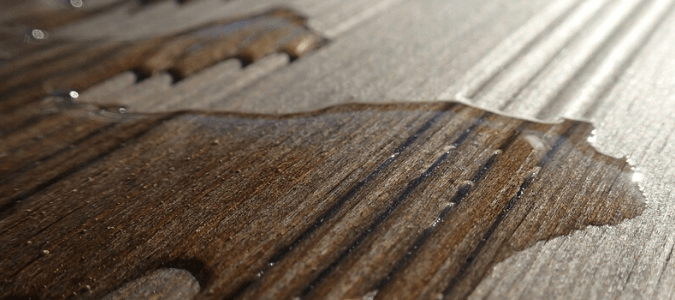
Water leaking from your AC can be caused by clogged drain lines, dirty air filters, frozen coils or a damaged drain pan. Some fixes can be handled by homeowners, but if the leak keeps coming back, it’s best to call a professional HVAC technician.
When it comes to water leaking from your AC unit, it’s important to know that some moisture is normal, but active leaking is cause for concern.
If your AC unit is actively leaking, it’s important to work with a professional to get to the root of the issue.
For Texas homeowners, leaks are especially common due to the heat and humidity we often have. Higher temperatures and humidity levels force your AC unit to work harder to cool your home, which puts stress on the system and increases the likelihood of water leaks.
This guide covers everything you need to know about water leaking from your AC unit, including the causes, fixes, prevention methods and when you should call in a professional.
It also includes expert insights from Gary Cremeans, ABC Home & Commercial’s HVAC Operations Manager.
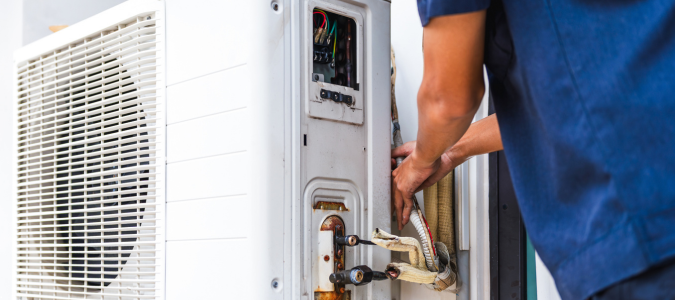
Is It Normal for an AC Unit to Leak Water?
There’s a big difference between your AC unit creating normal condensation and having an abnormal water leak. Use the comparisons below to determine which one you’re dealing with.
Normal condensation:
- You can see a small amount of water draining through the unit’s condensation line
- The moisture is contained inside the system and routed either outdoors or to a drain
- There’s no visible water around the AC unit, walls or floors
Abnormal water leak:
- You can see water dripping, overflowing or pooling near the indoor unit
- Moisture is escaping the drainage pan or backing up into the system
- Water appears inside your home rather than draining away
- You can see damp drywall or moisture spots on the ceiling
- There’s a musty smell or mildew growth around your AC unit
According to Gary Cremeans, where water exits the system provides helpful clues about what’s going on with your AC unit.
“Water coming from the PVC drain (usually near grade) is normal and should be 3 feet from the house. Water from the PVC in the soffit (usually over a window or door) is problematic; you may see rust on the wall, window sill or ground beneath this drain. This is the secondary drain, indicating that the primary drain is clogged or that a more serious issue may be present.”
If you’re dealing with an abnormal water leak in your AC unit, it’s important to address it before significant damage is done. Reach out to an HVAC specialist for help.
Common Causes of Water Leaking From an AC Unit
There are seven common causes of water leaking from an AC unit. These include:
- Clogged condensate drain line
- Dirty or clogged air filter
- Low refrigerant causing coil freeze
- Damaged or rusted drain pan
- Improper AC installation
- Broken condensate pump
- High indoor humidity
Read about each one below, then keep reading to learn how to address the problem.
Clogged Condensate Drain Line
Your AC unit has a condensate drain line that removes humidity from the air. However, it can also become clogged with pet hair, dust, algae, mildew or Texas pollen. As these substances build up in the drain line, water backs up into the drain pan. When the drain pan is full, the water starts overflowing into your home.
Dirty or Clogged Air Filter
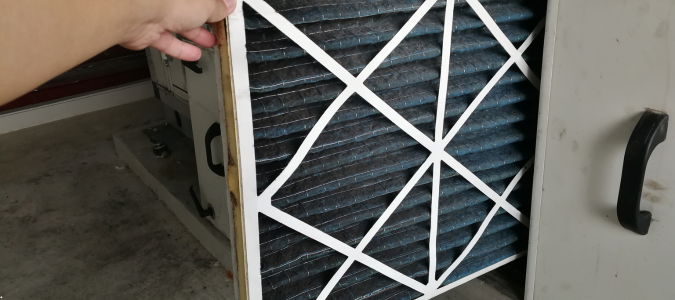
A dirty or clogged air filter restricts air flow, which can cause the AC unit’s coils to freeze. Once the system cycles off, the frozen coils begin to melt and the water overflows the drain pan.
Thanks to Texas’ pollen and dust storms, Texas homeowners may need to replace their air filters more often to avoid water leaks from their AC units. Clogged air filters can also cause your AC running but not cooling, which is another reason it’s important to stay on top of changing out your filter.
Low Refrigerant Causing Coil Freeze
Another thing that can cause coils to freeze is low coolant. Low coolant creates lower pressure, which causes the coils to freeze and then melt. Once again, the melted water leaks into the drain pan and eventually overflows.
Luckily, there are signs of low coolant that you can look out for, such as your AC unit hissing, a reduced cooling performance and mysteriously rising utility bills.
Damaged or Rusted Drain Pan
If your AC unit is between 8 and 12 years old, it may have age-related rust. Additionally, Texas’ humidity can accelerate corrosion. When the drain pan becomes rusted or damaged, water can escape through cracks and pinholes.
Improper AC Installation
Improper installation can cause several issues that lead to water leaks. For example:
- The air handler is not properly leveled, which prevents water from draining correctly
- The drain lines are sloped or incorrectly connected
- You have an oversized unit that short-cycles, causing it to produce excess moisture without enough run time to fully drain (this is a common problem in older Texas homes)
It’s crucial to have your AC unit professionally installed to avoid these issues that lead to chronic draining. They can also educate you on other common AC topics, like what BTU is in an air conditioner.
Broken Condensate Pump (For Units in Attics)
In Texas, it’s common to have your AC unit located in your attic. However, when a condensate pump on an attic unit fails, water cannot be pumped out of the system and instead leaks into the attic or ceiling. If you notice stains or drips on your ceiling, it’s likely due to a leak in your attic AC unit.
High Indoor Humidity
Texas’s humid climate creates more indoor moisture, which causes the AC system to produce more condensation than usual. If your HVAC system struggles to dehumidify effectively, water will overflow and leak.
What To Do When Your AC Is Leaking Water
If your AC is leaking water, follow the steps below to avoid bigger issues.
Gary Cremeans recommends a simple troubleshooting approach for homeowners dealing with a leaking AC unit.
“Turn the unit off. Look at the indoor and outdoor units for ice; if there is no ice, locate the drain line termination and check whether water is flowing. You can use a shop vac on the drain line termination and see if that gets the drain working again. Call ABC Home and Commercial Services.”
Step 1: Turn Off the AC
As soon as you notice a leak, turn off your AC. This will prevent further water damage and electrical hazards.
Step 2: Replace the Air Filter
If your air filter is dirty, replacing it may solve the leak altogether. Start here and see if it stops the leak or if the leak persists. If it persists, move on to the next steps.
Step 3: Clear the Condensate Drain Line
For homeowners comfortable with basic home maintenance, you can try doing this step yourself. Otherwise, contact a HVAC professional to do it for you.
To clear the condensate drain line, start by locating the outdoor PVC drain line near your exterior unit or foundation. Then, use a wet/dry vacuum to suction out debris for around two minutes.
Lastly, flush the drain line with a vinegar and water solution to break down algae and mildew buildup.
If you’re unsure where your drain line is located or if the problem persists after flushing it yourself, call a professional.
Step 4: Inspect the Drain Pan
Look for holes and cracks in your drain pan, as well as corrosion and standing water. If any of these things are present, your drain pan needs professional repair.
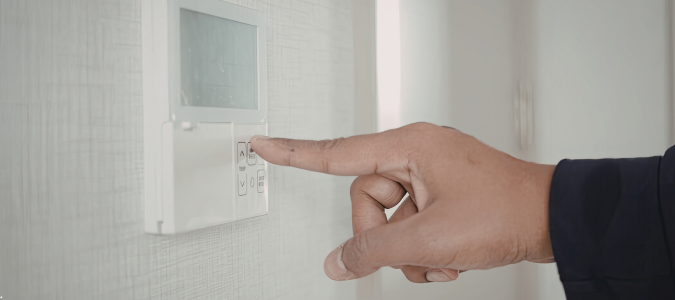
Step 5: Check Thermostat Settings
If your thermostat is set too low for an extended time, it can cause the AC unit’s coils to freeze, which leads to water leakage. Adjust accordingly and see if it stops the leak.
Step 6: Restart and Monitor the System
After following the above steps, restart your system and continue to monitor it. If the leak persists, it’s time to call a professional.

When You Should Call an HVAC Professional
While there are some small AC fixes that homeowners can handle on their own, bigger problems should be left up to HVAC professionals.
Signs DIY Won’t Fix the Issue
- You suspect there’s a refrigerant leak
- The drain pan is damaged
- For attic AC units, the leak is causing ceiling damage
- The leak continues despite clearing the condensate drain line
- You notice a musty smell or visible mildew growth around vents or the air handler
Why Efficient Service Matters in Texas
Water leaks in an AC system can cause costly repairs, especially for attic systems, which can damage your drywall when leaking. Additionally, AC units that leak are far less efficient, leading to a spike in utility bills, especially during hot Texas summers.
If your AC unit is leaking, you’ll need to address it promptly. Whether that means a DIY solution or professional intervention, it’s important to stop the leak before it causes more damage.
Working with an HVAC professional is recommended because they can conduct a full inspection and get to the bottom of all other issues, such as the AC fan not spinning but humming.

How to Prevent AC Leaks in the Future
There are three main ways to prevent AC leaks in the future:
- Change air filters regularly
- Annual HVAC tune-ups
- Improve home humidity control
The more proactive you are, the more money you’ll save. Let’s dive into these.
Change Filters Regularly
On average, homeowners should change their air filter every three months. However, it may be a good idea to change your air filters more often due to factors like allergies, dust and pets in the house.
Annual HVAC Tune-Ups (Especially Before Summer)
Once a year, you should have a professional clean your AC coils, check the drain line and inspect refrigerant levels. It’s especially important to do this before the summer so that you don’t have any AC issues when you need it the most.
Improve Home Humidity Control
Using dehumidifiers in your home and ensuring proper ventilation can improve humidity control and help prevent AC leaks. It’s especially helpful to use the exhaust fan in your kitchen and bathrooms.
Texas-Specific Considerations
As a Texas homeowner, it’s important to keep these Texas-specific considerations in mind:
- Attics are common in Texas and can have an increased risk of hidden water damage
- Extreme heat causes the AC to run longer, which can cause more condensation
- High humidity can increase mildew growth in drain lines
Work with an HVAC professional to help you navigate these issues.
Frequently Asked Questions
Why is my AC leaking water inside the house?
Condensation isn’t draining properly due to either a clogged drain line, frozen coil, damaged drain pan or improper unit installation.
Can I still run my AC if it is leaking water?
No, you should turn the system off and address the leak to avoid water damage, electrical hazards and worsening the underlying problem.
How do I unclog the AC drain line?
Use a wet/dry vacuum to remove debris and then flush it with a vinegar and water solution.
Solve Your AC Unit Leak With Professional Help
If your AC unit is leaking beyond normal condensation, there’s an underlying issue that needs to be addressed. Use the tips from this article to determine if DIY solutions will work or if you need to call in a professional. When in doubt, calling an expert is the best option. Delaying repairs can lead to further problems.
If your AC is leaking water, ABC’s HVAC professionals can diagnose and fix the issue.