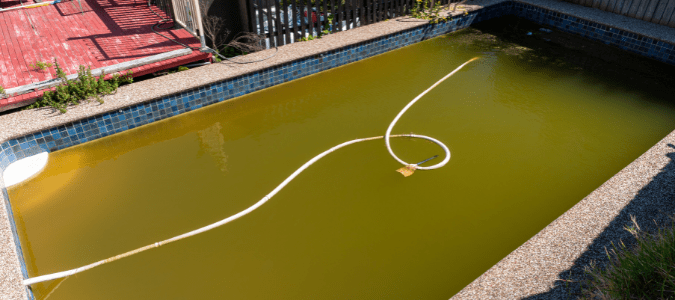
Brown algae in a Texas pool is often misidentified, so correctly identifying the problem is the first step to treating it. Maintaining proper chlorine levels, brushing pool walls weekly and keeping your filter clean are the best ways to prevent brown algae.
Is the brown algae in your pool getting in the way of summer fun?
The truth about brown algae is that it’s often misidentified. It’s an easy mistake: you see a brown, dusty coating around your pool and naturally assume it’s algae overgrowth. However, there are several other things it could be, including dirt or debris, metal staining and pollen buildup.
This guide will help you correctly identify brown algae from other issues so that you can remove it correctly. Then, keep reading to learn how to prevent brown algae in Texas pools.
You’ll also learn from Steve Ambrose, Home Improvement Division Manager at ABC Home & Commercial Services, who offers expert insights on brown algae in pools.

What Is Brown Algae in a Pool?
It’s easy and common to mistake several pool issues for brown algae. The list below will help you learn how to tell when you really have brown algae.
Is It Really Algae or Something Else?
True brown algae has a yellow-brown color. It’s a chlorine-resistant algae that clings to the walls of pools, and it’s most common in shady areas. While brown algae is not as common as green pool algae, it’s more stubborn. If not treated properly, it will quickly grow back.
However, you may not be dealing with true brown algae. What looks like brown algae could be dirt and or wind-blown debris buildup. This is especially common in drier parts of Texas, where dirt is often blown around and lands in pools. Rather than clinging to the pool walls, dirt and debris settle to the bottom of the pool’s surface.
Most of the Lone Star State has hard water, which contains high levels of iron. When the iron oxidizes, it creates metal staining, which is the appearance of rust-colored stains around your pool. Unlike brown algae, you can’t rub off metal stains.
Another common mix-up is mistaking dead algae residue for brown algae. After an algae treatment, you may be left with a little bit of dead algae around your pool, which is a grayish-brown or dull color.
Lastly, pollen buildup can be mistaken for brown algae, especially during allergy season in Texas. Overnight, your pool can develop a yellow-brown dusting that looks like brown algae. However, rather than clinging to the sides of the pool, pollen floats on the surface or settles on the bottom.
Quick Diagnostic Checklist:
Does your algae…
Why Brown Algae Grows in Texas Pools
According to Ambrose, brown algae (often mustard or diatom algae) is common in Texas pools due to high heat, intense sunlight and high nutrient loads (phosphates/dust), which fuel growth.
A major contributing factor to brown algae growth is low or unstable chlorine levels, which can create the ideal conditions for algae to thrive. Algae also grows best when it’s undisturbed, so poor pool circulation can encourage brown algae growth.
Proper pool treatment includes cyanuric (CYA) acid, which protects chlorine from the sun. However, too much CYA acid lowers the effectiveness of chlorine, which can then invite brown algae growth.
Algae feeds off phosphates, which can easily enter your pool water in dust, lawn runoff, fertilizer and other debris.
There are also multiple environmental conditions that encourage brown algae growth. For example, brown algae likes to grow in low-light areas, so shaded areas of your pool are especially susceptible.
A heavy storm can wash contaminants, dirt and nutrients into your pool that throws off the chemical balance and creates the ideal conditions for brown algae to grow. Lastly, extended heat waves increase chlorine needs and make it harder to maintain your pool, which can sometimes lead to brown algae growth.
To prevent brown algae, keep these targets in mind:
- Ideal chlorine range: 1 to 3 ppm
- Ideal pH range: 7.2 to 7.6
- Algae growth temp threshold: 77 degrees and above
How to Get Rid of Brown Algae in Your Pool (Step-by-Step)
There are some things that homeowners can try to get rid of brown algae. However, for the most effective results, working with a pool specialist is the best route.
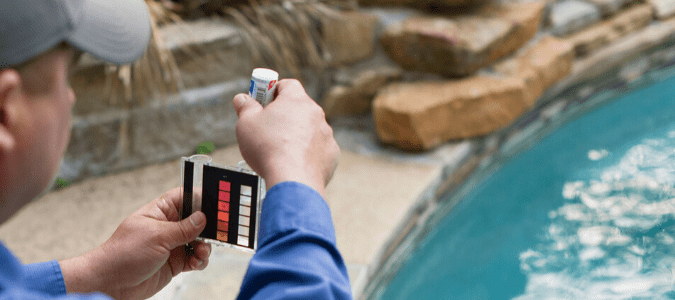
Test and Balance Water
Start by testing your chlorine levels and adjusting the pH to a slightly lower level, around 7.2 to 7.4. Next, check your CYA levels to make sure it isn’t too high.
Brush the Entire Pool Aggressively
Removing brown algae from your pool’s walls requires some elbow grease. You have to break the algae’s protective layer to be effective. As you brush, focus on the pool’s walls, ladders and steps.
Shock the Pool
Shock the pool using either calcium hypochlorite or liquid chlorine. For the best results, shock the pool at dusk and run the pump for 24 hours.
Vacuum and Clean Filter
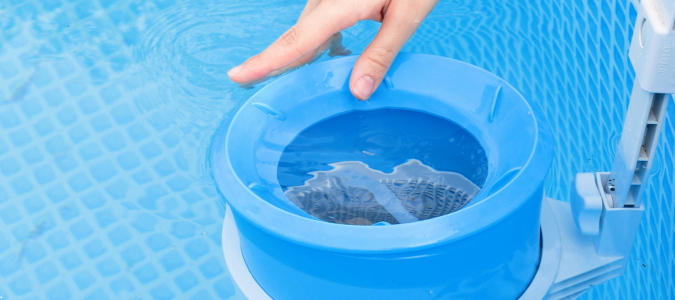
A dirty filter could be contributing to brown algae growth. Backwash your sand filter and thoroughly clean the cartridges. Then, consider the age of your filter media. Pool sand and cartridge elements should be replaced every three to five years.
Re-Test and Repeat If Necessary
If brown algae continues to grow, repeat the entire process from step one. You should also call in a pool expert for help.
Why Brown Algae Keeps Coming Back
It’s frustrating when brown algae keeps coming back, but there are several common reasons why it returns.
First, brown algae is more chlorine-resistant than green algae, so higher chlorine levels are required to treat them effectively. It’s also important to clean all pool elements that could have come into contact with brown algae before returning them to the pool. That includes the inside of skimmer baskets, pool toys, floats, brushes and vacuum heads.
If these items aren’t cleaned during treatment and reenter your pool with brown algae spores on them, they can restart growth.
During hot Texas summers, a standard pool shock often isn’t enough to kill brown algae growth, and inadequate shock levels can lead to a brown algae return. If your pool’s CYA acid levels are too high, brown algae growth will thrive.
Lastly, an inefficient filter cannot effectively remove brown algae particles from your pool. If your pool filter is dirty, undersized or not running long enough, it can’t get the job done.
How to Prevent Brown Algae in Your Pool
According to Ambrose, you can prevent brown algae growth by maintaining a proper chemical balance and chlorine levels in your pool. Brushing your pool once a week and maintaining proper equipment circulation can also go a long way when it comes to brown algae prevention.
Pool Maintenance Checklist:
Texas-Specific Prevention Tips:
- Brush more after dust storms
- Shock after heavy pool parties
- Monitor after spring pollen surges
- Watch for late-summer stagnation
DIY Versus Hiring a Professional Pool Service in Texas
Can you treat brown algae in your pool on your own, or should you always call the professionals? The answer depends on your situation.
DIY solutions can work when you detect the brown algae growth early, there are only a few minor patches and you have proper knowledge of the chemical balance your pool needs to kill algae growth.
However, if you’re dealing with a more serious brown algae overgrowth, you should call a professional pool service.
When to Call a Pro:
- The algae returns within 7 days
- Your pool turns cloudy after a shock
- The chemical levels are unstable
- You don’t have time to monitor your pool regularly on your own
Frequently Asked Questions About Brown Algae in Your Pool
Can brown algae survive shock?
How long does it take to clear brown algae?
Does brushing alone remove brown algae?
Is brown algae the same thing as mustard algae?
Keep Your Pool Clear All Season Long
The earlier you detect brown algae, the easier it is to treat it and prevent a recurrence. Keep in mind that Texas heat can accelerate algae growth, so it’s important to stay vigilant all summer long. With consistent maintenance, you can remove and prevent brown algae so that you can enjoy your pool throughout the swimming season.
For more assistance, contact a professional pool service.