
Key Takeaways
- Bed bugs cannot live in human hair — their legs aren’t built for gripping hair shafts the way lice are, and they prefer cooler hiding spots away from body heat.
- Bed bugs will bite near your hairline, scalp, and neck, which is why visitors to Orlando sometimes mistake post-hotel bites for a lice problem.
- These insects hide almost exclusively in furniture, bedding, and cracks near where you sleep — not on your body.
- Orlando’s high hotel turnover and year-round tourism make bed bug exposure more likely here than in most cities. Knowing how to inspect a room before you settle in matters.
- Signs of an infestation include rust-colored stains on sheets, dark droppings along mattress seams, shed skins, and clustered bite marks on your skin.
- Professional treatment is the most reliable way to eliminate bed bugs — DIY methods frequently miss eggs and hidden nymphs.
Bed bugs. Chances are good that you’ve heard of them or even had a friend who ran in with these pests that love to bite humans, feeding on their blood and leaving an itchy, painful rash behind. For Orlando homeowners and visitors alike, bed bug treatment is something worth understanding before you need it — because by the time most people realize they have a problem, the infestation is already established.
Can you find bed bug eggs in hair, and can these pests live on clothing or our bodies? Do they fly or cause diseases? And how difficult are they to get rid of once they’ve invaded your living space? The more you know about bed bugs, the better you can protect yourself and your home from an infestation.
A common question homeowners ask is, “Where do bed bugs hide on your body?” Let’s address this query first. Bed bugs hide primarily during the day, fitting into the tiniest cracks and crevices in areas where people sleep. These areas tend to be close to where they can feed at night — a crack or a narrow, protected space in a bed frame, couch, box spring, mattress, recliner, or headboard.
Since bed bugs can multiply quickly, they can spread to other parts of your home if not controlled, making elimination extremely difficult. As we will discuss throughout this post, bed bugs do not hide on humans because they prefer a cooler, safer environment. After they’ve taken their blood meal, they retreat to a secure location to digest, which can take quite some time before they strike again.
If bed bugs don’t live on your body, can they live in your hair? Let’s explore that next.
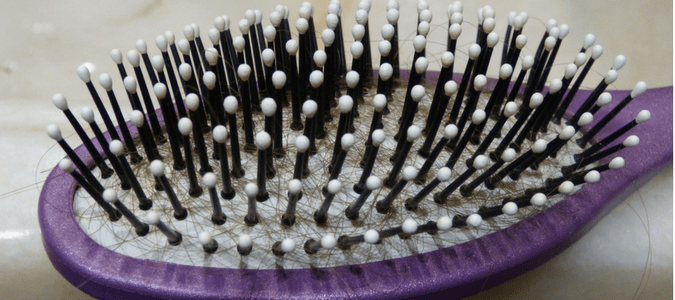
Symptoms Of Bed Bugs In Hair
Can bed bugs live in your hair? The short answer is no. That’s not to say they can’t bite you on your scalp, forehead, cheeks, or neck — but bed bugs’ legs and bodies aren’t designed for crawling through human hair. They also prefer a cooler environment than body heat provides, so even if they do feed on the skin of your head or neck, they won’t stick around afterward.
Bed bugs can bite you on the legs, hands, and arms, but they’re more likely to feed on exposed areas like your neck and face during sleep. One reason these bugs are so sneaky is that their bite doesn’t hurt — they inject a mild anesthetic, so an affected person doesn’t often notice until a reaction develops. Symptoms of bed bugs in hair might include red, intensely itchy welts along your hairline, across your forehead, or on your cheeks and neck, as well as small dots of blood on your pillow.
Again, bed bugs don’t take up residence in human hair the way lice or fleas might. They typically bite exposed skin not covered by hair. A bed bug will likely get you on the face since they prefer bare skin. If you have insect bites on your scalp, it’s less likely to be a bed bug than some other insect. After five to ten minutes of feeding, the bed bug retreats to the closest hiding spot and begins digesting — a process that can take several weeks. After that point, the bed bug can lay eggs about the size of a grain of sugar. Since bed bugs don’t live on humans, they also don’t lay their eggs on humans, so you won’t have to worry about bed bug eggs in your hair.

Can Bed Bugs Live On Your Body?
While travelers are known to carry bed bugs from one destination to the next, these insects are highly unlikely to hitchhike on your body, in your hair, or in the clothes you’re wearing. Instead, they’re far more likely to hitch a ride in the clothes you aren’t wearing — the ones in your luggage or backpack.
This is especially worth knowing in Orlando. With millions of people cycling through hotel rooms along International Drive, resort districts near the theme parks, and vacation rentals across Central Florida year-round, bed bugs have more opportunities to move between guests here than in most cities. High turnover doesn’t mean dirty — it just means more chances for a bug to transfer from one traveler’s belongings to the next.
If you suspect you’ve stayed in a room infested with bed bugs, wash every bit of your clothing as soon as possible in the hottest water available and dry on the highest heat setting. Both high temperatures and steam kill bed bugs, so these steps should eliminate the problem. Use a flashlight to inspect your shoes, bag, and other items closely, paying extra attention to small folds and corners. In some cases, you may need to dispose of your suitcase entirely.
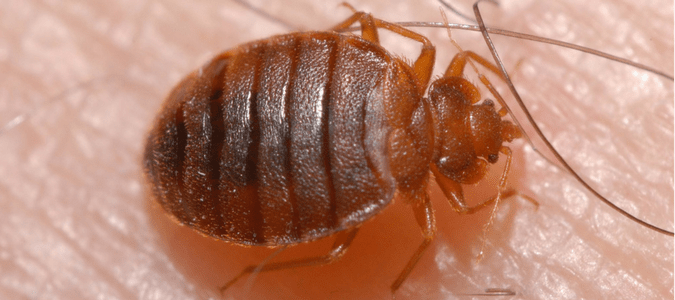
Bed Bug Bites On Scalp: Pictures And Description Of Affected Area
Bed bugs leave several bites that become itchy, red, and irritated. As noted above, these pests prefer to feed on bare skin, so it’s more likely that you’ll notice a bite on your arms, legs, or neck rather than your scalp. The most obvious exception to that rule is if you are bald.
While many victims of bed bug infestations experience allergic reactions to the bites, some have no symptoms other than small dots where the creature fed. Some people notice a clear raised center on the affected area. In the most severe cases, individuals may experience nausea, blisters, fever, and difficulty breathing after being bitten.
Photographs of bed bug bites are available on the website of the Environmental Protection Agency, in a clinical review by the Journal of the American Medical Association, and in an informational guide from the UC Statewide IPM Program. In these resources, you’ll notice that bed bug bites closely resemble mosquito and flea bites — all three can easily be confused.

Bed Bug Facts
After being all but eradicated in the 1940s and ’50s, Cimex lectularius — otherwise known as bed bugs — began making a resurgence all over the world in the early 2000s due to the insect’s growing resistance to commonly used insecticides. Full-grown bed bugs are only about a quarter-inch in diameter — roughly the size of an apple seed. Reddish-brown in color, bed bugs have banded, oval-shaped abdomens that can turn bright red after feeding. Since they are so small and flat, they can slip into spaces as narrow as a credit card. They can often go undetected in the folds of mattresses or armchairs, beneath rugs, and throughout furniture and living spaces. Since these pests live indoors, there is no “high” or “low” season for bed bugs.
Bed bugs are primarily nocturnal and most active in the early morning hours, though they’ve been known to bite during the daytime as well. Unfortunately, they seem to be impervious to most commonly used insecticides and bug-repellent sprays (the kind you would use, for example, to repel mosquitoes and ticks), so spraying your bed or skin before bedtime won’t help you avoid a bite.
It’s also important to know that bed bug infestations aren’t due to an unsanitary environment. Even the cleanest homes and hotels can develop an infestation since bed bugs don’t live in filth — they live off the blood of mammals. Wherever humans live, bed bugs can too, even in immaculately kept spaces.

How To Know If Bed Bugs Are In Your Home
Travelers know bed bugs can hide in many places besides the bed — upholstered couches and chairs, trains, buses, and more. Bed bugs can crawl up walls, hide behind picture frames or headboards, and sneak into the cracks and corners of furniture drawers.
The same inspection technique useful when traveling can help determine whether you have a bed bug infestation at home. However, eradicating the insects from your living space is likely much more complex and costly than just ridding them from your overnight bag after a trip. Signs of a bed bug infestation include itchy bites appearing in lines on your skin. Other indicators you might find on your bed, walls, or furniture include blood spots on sheets and mattresses, dead bugs or exoskeletons, pale whitish or yellow nymphs (baby bed bugs), and bits of the insects’ dark, blood-filled excrement. (Yuck!)
Not sure if what you’re seeing is actually a bed bug? Check out bugs that look like bed bugs — several common household insects are frequently mistaken for them, and identifying the pest correctly before treating matters.
The Good News About Bed Bugs (Yes, There Is Some!)
When it comes to bed bugs, it’s not all bad news. First, bed bugs are not carriers of infectious diseases, unlike mosquitoes or certain other pests. So even if you have bed bug bites, you won’t pick up any nasty bacteria or illness beyond the bites themselves. Another bit of good news: they don’t reproduce as quickly as certain other pests, such as cockroaches or flies. And since bed bugs can’t fly, at least you’ll only have to deal with them crawling — not zipping airborne into your hair.
Okay, maybe that last part is a stretch. When bed bugs infest your home, any way you look at it, they’re bad news. Pest professionals consistently call bed bugs the most challenging pest to treat. If the professionals have trouble, the average homeowner may find it nearly impossible to eradicate them without expert help.
Frequently Asked Questions
Can bed bugs get in your hair while you sleep? They can briefly crawl onto your scalp or neck while feeding, but they don’t stay. Bed bugs don’t have the gripping claws that lice use to hold onto hair strands, and body heat drives them off quickly. After feeding, they retreat to the mattress, headboard, or nearby crack within minutes.
What does it mean if I have bites near my hairline? It usually means a bed bug fed on exposed skin near your neck or forehead while you slept. The bug itself is almost certainly back in the mattress seam or bed frame — not in your hair. Check your bedding for rust-colored stains, dark droppings, or shed skins to confirm whether bed bugs are the cause.
How do I tell bed bugs apart from head lice? Lice are found living on hair strands and the scalp — they have hooked legs built for gripping hair and can’t survive long away from a host. Bed bugs are reddish-brown, apple-seed-sized, and found in bedding and furniture, not on your body. If you’re finding live insects in your hair, it’s almost certainly lice. If you’re waking up with unexplained bites and finding nothing on your body, bed bugs are the more likely culprit.
Can I bring bed bugs home from an Orlando hotel? Yes — this is one of the most common ways they spread. Orlando’s year-round tourist traffic means hotel and resort rooms turn over constantly, creating more opportunities for bed bugs to transfer between guests’ luggage. Before settling in, inspect the mattress seams and headboard. After returning home, wash all clothing in hot water and dry on high heat before bringing luggage inside.
Where are bed bugs most likely hiding in my home? The majority are within a few feet of where you sleep — in mattress seams, box spring folds, bed frame cracks, headboard joints, and nearby nightstands. In heavier infestations, they spread to sofas, upholstered chairs, wall outlets, and picture frames. Learning the most common bed bug hiding places helps you know exactly where to look.
Do bed bugs only bite at night? They strongly prefer darkness and are most active in the wee hours of the morning, but they’ll feed whenever conditions are right — including during daytime naps in a darkened room. They respond primarily to the carbon dioxide you exhale and the heat your body produces, not strictly a schedule.
Should I throw away my mattress if I find bed bugs? Usually not. Discarding a mattress without treating the rest of the room often spreads the infestation and rarely solves the problem. Eggs and bugs hiding in the frame, headboard, and nearby furniture survive and repopulate. A professional treatment targeting all harborage points is far more effective than removing furniture.
ABC Can Rid Your Home of Bed Bugs
If you suspect you might have bed bugs in your home, the best thing you can do is contact ABC right away to schedule a service. Our experienced team will conduct a thorough inspection to determine whether it’s bed bugs or some other pest that has invaded your home — then eliminate the problem using proven methods.
ABC Home & Commercial Services has been serving Orlando families since 2006. Contact ABC Home & Commercial in Orlando and let our QualityPro certified specialists take care of it.