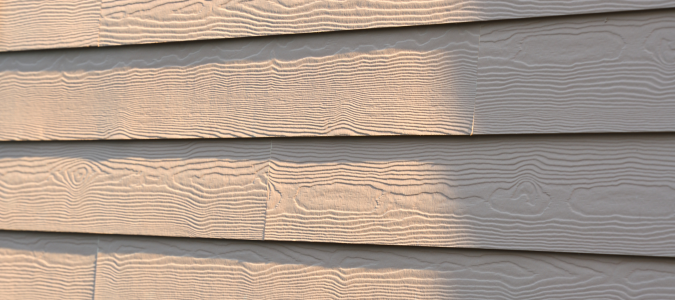
Most types of house siding can be painted, but the right paint and prep depend on the material. In Texas, most paint jobs last five to ten years, though the heat and sun can shorten that. If your siding is still in good shape, painting is one of the easiest and most affordable ways to give your home a fresh look.
Want to give the exterior of your home a refresh? Before you pick out a paint color, it’s important to know whether or not you can paint siding on a house.
The short answer is yes, you can paint most types of siding on a house. However, there’s a little more to it. The process of painting siding, as well as how long the paint job lasts, depends on the siding material.
Some types of siding are better candidates for paint than others. Keep reading to learn the difference between painting vinyl, wood, fiber cement and aluminum siding, plus which types of siding materials should not be painted.
This guide also covers climate considerations for Texas homeowners, including how heat, humidity and UV exposure interact with painted siding.
Finally, learn from expert insights from Jesse Terrazas Jr., General Handyman Manager at ABC Home & Commercial Services. With over 20 years of experience with concrete, framing, finish carpentry, drywall and painting, he’s your go-to expert for all things siding.
Can All Types of House Siding Be Painted?
Some siding materials take paint better than others. For example, according to Terrazas, painting vinyl siding requires extra preparations and vinyl-safe paint.
Jesse Terrazas Jr. mentions, “A vital rule for vinyl is to select a color that is the same shade or lighter than the original; darker colors absorb excess heat, which can cause the panels to warp.”
While the paint’s durability varies based on the siding material, most paint jobs last between 5 and 10 years, with 7 years being the sweet spot. To judge whether or not it’s time to repaint your siding, conduct a simple chalk test by running your hand along the siding.
Jesse Terrazas Jr. says, “If a chalky residue comes off on your skin, similar to chalkboard dust, the paint has oxidized and it’s time for a fresh coat.”
Vinyl Siding
Vinyl siding can be painted, but you must use a vinyl-safe acrylic paint. As Terrazas mentioned, it’s important to choose a paint color that’s the same shade or lighter than the vinyl, as dark colors warp in the heat. The paint lasts for 5 to 10 years.
Wood Siding
Wood siding is one of the best surfaces for paint because the paint protects the wood from moisture and extends the lifespan of the siding. Before you add a fresh coat of paint to wood siding, scrape off the old paint, sand the wood and apply a primer.
Fiber Cement Siding
Fiber cement siding offers excellent paint adhesion, so paint jobs last longer than other types of siding materials. You can usually go between 10 and 15 years between repaints. It’s important to note that fiber cement siding often comes factory-painted, but it’s common to repaint it with a color of your choice.
Aluminum Siding
Aluminum siding can be painted, but you must clean and prime it first to make sure the paint adheres properly and lasts. Painting aluminum siding is a great way to modernize older homes with modern colors.
Siding That Should Not Be Painted
Some engineered sidings have specialized factory coatings that are not designed for paint. Painting over the coating may invalidate the warranty or lead to adhesion issues.
You should also avoid painting severely damaged siding, such as siding that is cracked, warped or rotting. Painting over damaged siding or siding with structural issues is not a quick fix. In fact, the paint may trap moisture and make the damage worse. Before you paint your siding, make sure it’s in good condition.
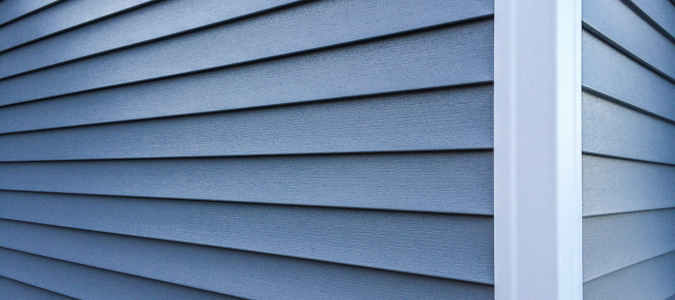
When Is Painting Siding a Good Idea?
Jesse Terrazas Jr. advises, “If your siding is mostly intact without widespread damage, painting is likely your best route. Our team can handle localized issues through spot replacement of individual panels or sheets. For minor holes or dings that don’t justify a full replacement, we use high-quality fillers to repair the area, provided the damage is not too extensive.”
In some scenarios, painting your siding is the best solution for giving your home a new look. For example, if the previous coat of paint has faded due to sun damage, but the siding is still in good condition, a fresh coat of paint will bring your home’s exterior back to life without requiring costly repairs.
Sometimes siding suffers minor cosmetic damage that isn’t extensive enough to warrant replacing it, but it does impact your curb appeal. A fresh coat of paint can cover the damage and save you money.
If you’re preparing your home to sell or want to boost your curb appeal, a coat of paint can work wonders. It will immediately make your home look newer and more appealing.
As long as your siding is still structurally sound, painting it is an easy way to improve your home’s look and value. Rather than starting from scratch with new siding, painting can extend the lifespan of your existing siding.
Local Texas Insight
Texas’s warm climate has a major impact on the exterior of your home. For example, UV exposure can cause your siding’s paint color to fade faster than it would in other environments. It’s likely that you’ll have to repaint more often in the hot Texas climate.
When You Should Replace Siding Instead of Repairing
Painting your siding isn’t always a perfect solution. In some cases, it’s crucial to replace your siding rather than repairing or painting it.
Jesse Terrazas Jr. states, “Replacement becomes necessary when the structural integrity of the siding is compromised or when the cost of spot repairs begins to approach the cost of a full installation. For materials like wood, once the protective paint and primer barrier fails, moisture penetrates the core and causes the boards to swell, a condition that cannot be fixed with paint. Vinyl siding, conversely, does not swell but becomes brittle and prone to cracking as it ages.”
If you notice these signs, it’s time to replace your siding:
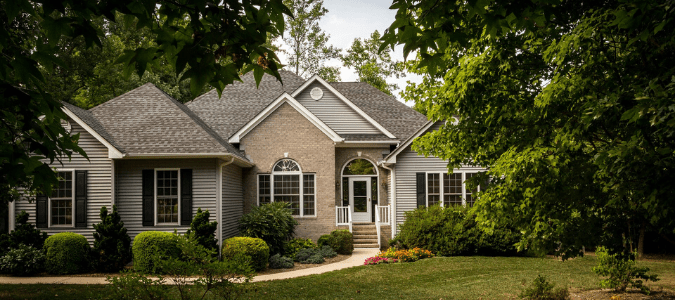
What Is the Process for Painting House Siding?
If you decide to paint your home’s siding yourself, it’s important to follow the correct process:
- Inspection and repairs
- Cleaning
- Surface prep
- Priming
- Applying exterior paint
Let’s dive into these a bit more.
Inspection and Repairs
First, inspect your home’s siding and identify any rot or damage. If necessary, replace damaged boards or consult with a professional about siding replacement.
Cleaning
If your siding is in good enough condition to paint, clean it with a pressure washer. Be sure to remove all mildew. If you’d rather skip this step, a professional pressure washing service can take care of it for you.
Surface Prep
Next, prep the surface of your siding by scraping off old paint, sanding it and caulking any gaps.
Priming
Before you start painting, apply primer to ensure paint adhesion. This step is helpful for all siding materials, but it’s especially important for vinyl and aluminum siding.
Applying Exterior Paint
Finally, you can start applying exterior paint to your siding. You can use a spray tool, brush or roll to apply the paint. Most siding materials need two coats of paint.
Should You Paint Siding Yourself or Hire Professionals?
According to Jesse Terrazas Jr., hiring a professional makes a noticeable difference in both the quality and longevity of the finished result:
“Hiring a professional to paint your home’s exterior ensures both a superior finish and long-term protection. The process begins with expert preparation, where we carefully assess the surrounding terrain and protect your plants, windows, doors and ground surfaces. Our prep includes professional-grade soft and pressure washing, meticulous caulking and a trained eye for spotting hidden damage that an amateur might miss. Furthermore, as professionals, we invest in high-quality, durable equipment, ranging from specialized brushes and rollers to advanced spray rigs. Utilizing the right tools for the job not only ensures a more durable result but also increases efficiency, which ultimately lowers the overall cost for the consumer.”
For the best results that last for several years, hire a professional to paint your home’s siding.
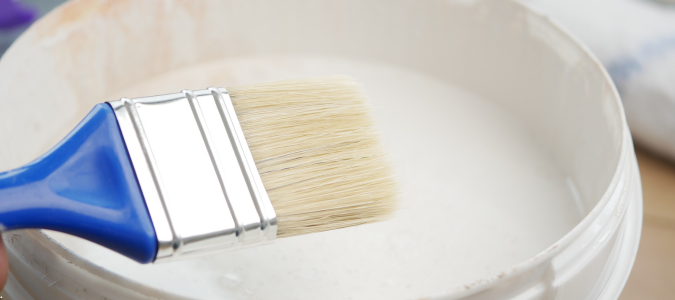
Best Paint for House Siding
Three types of house siding paint are the most recommended:
- 100% acrylic exterior paint
- UV-resistant formulas
- Flexible coatings for vinyl
Let’s look at each of these options.
Acrylic Exterior Paint
Acrylic exterior paint is a favorite because it has great adhesion, resists cracking and withstands temperature changes well. It’s a good option for wood, vinyl (as long as it’s labeled vinyl-safe), cement and aluminum siding.
UV-Resistant Formulas
UV-resistant paint formulas are recommended for warm climates like Texas. This paint will slow fading caused by sun damage, making the siding more durable.
Flexible Coatings for Vinyl
Vinyl siding requires specific vinyl-safe paint formulas, which are more flexible and prevent cracking and peeling. Flexible coatings can contract and expand with the vinyl material to reduce warping.
Other recommended paint features include mildew resistance, fade resistance and high durability.
Frequently Asked Questions
Can you paint vinyl siding a darker color?
How often should siding be repainted?
Will paint peel off siding?
Give Your House a New Life With Professional Siding Painting
If your siding is faded or outdated, professional exterior painting can restore your home’s curb appeal for a fraction of the cost of replacement. Contact ABC for a free estimate on siding painting.