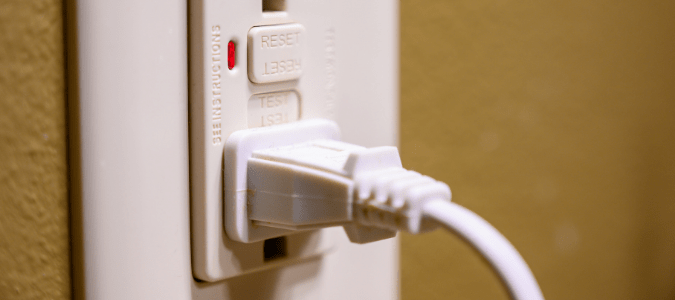
When electricians talk about GFCI outlets, they’re talking about ground-fault circuit interrupters. This is a common safety feature in many homes. What is a GFCI outlet?
The difference between a standard outlet and a GFCI outlet is that GFCI outlets continuously monitor the current through the circuit. They can detect when current is leaking where it shouldn’t.
As soon as a GFCI outlet detects a fault current, it shuts off power to the circuit. These outlets act quickly, often shutting off power within 1/40th of a second.
GFCI outlets are designed to protect people by quickly cutting power when an electrical issue occurs. GFCI outlets are required in areas where electricity and water are close together. These typically include bathrooms, kitchens, laundry rooms, garages and outdoor spaces.
In Texas, electrical safety rules are based on the National Electrical Code (NEC), which is updated every three years and then adopted by the state.
If your GFCI outlet keeps tripping, there’s usually a reason. Even a small current leak can throw off the balance, causing the outlet to shut off power. Because GFCI outlets are designed to detect these leaks, they’re more sensitive than standard outlets.
This comprehensive article covers what to do when your GFCI outlet isn’t working, the common symptoms, causes and fixes.

Symptoms of a GFCI Outlet Not Working
There are several symptoms that let you know your GFCI outlet is not working. including:
- No power at the outlet
- Reset button won’t stay pushed in when pressed
- No “clicking” sound on reset
- Pressing the test button does nothing
- Multiple outlets on the same circuit are not working
- Appliances trip the GFCI immediately
8 Most Common Reasons a GFCI Outlet Isn’t Working
There are eight common reasons why GFCI outlets stop working.
Most GFCI problems can be traced back to one of the following issues:
Keep reading to learn about each cause, how to diagnose it yourself and when to call in an electrician.
1. The GFCI Outlet Has Tripped
Cause: The GFCI outlet detects a ground fault, typically due to moisture, a faulty appliance or an excessive electrical load on the circuit.
As a homeowner, you can diagnose this issue yourself by following these steps:
- Unplug everything connected to the outlet
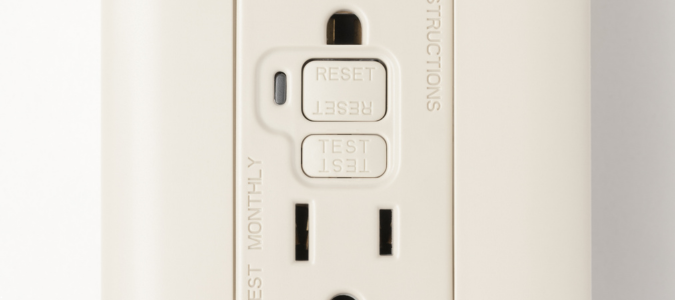
- Firmly press the reset button until you hear a click
- Once it resets, plug devices back into the outlet one at a time
- If it trips again right away, the problem isn’t fixed
If resetting the outlet doesn’t work, call in an electrician to assess the problem. Some tripped GFCI outlets won’t reset, which is another sign that you need professional intervention.
2. A Nearby GFCI Outlet Tripped
Cause: Your GFCI outlets may be connected to each other. This means that if one upstream outlet trips, all downstream outlets connected to it will also trip.
You can diagnose this issue by checking your other GFCI outlets. Look at the outlets in your bathrooms, kitchen, garage, laundry room and the exterior of your house. Once you locate the tripped outlet, reset it and test it.
If you can’t locate the problem outlet, multiple outlets are tripping or you’re losing power in parts of your home, call in an electrician.
3. Moisture or Water Exposure
Cause: In Texas, high humidity can introduce moisture into GFCI outlets, especially in outlets around outdoor kitchens, pools, garages and patios. When a GFCI outlet detects water, it immediately cuts power.
To check for moisture, look for obvious signs like dampness or condensation around the outlet. If it appears wet, don’t use it until it is completely dry. Do not dry a GFCI outlet with a hair dryer, and do not plug anything into it while moisture is present.
Call in an electrician if the moisture keeps returning or the outlet continues to trip.
4. A Faulty Appliance Is Triggering the Trip
Cause: Appliances with internal faults, such as refrigerators, dishwashers and washer/dryers, can draw excess current and cause a GFCI outlet to trip. The older the appliance, the more likely this is to happen.
To diagnose this issue yourself, unplug everything from the outlet and reset it. Then plug the appliances back in one at a time and check whether a specific appliance trips the outlet.
If this process doesn’t resolve the issue, call in an electrician for assistance.
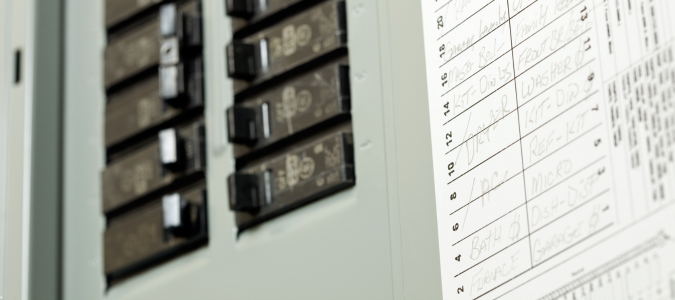
5. The Circuit Breaker Has Tripped
Cause: During a power surge or fault, the circuit breaker may trip along with or instead of the GFCI outlet.
To check the circuit breaker, follow these steps:
- Check your breaker panel for a switch in the middle position
- Switch it fully to the OFF side and then back to ON
- Reset the GFCI outlet
If the breaker continues tripping or won’t reset, call in an electrician. You should also call in a professional if you notice a burning smell or buzzing sound, or if the outlet stopped working but the breaker is not tripped.
6. Worn Out or Failed GFCI Outlet
Cause: After eight to ten years, the internal components of GFCI outlets often begin to wear out.
If your outlets are old, they are less likely to reset. The outlet will appear dead even though there’s power to the circuit. Call in a licensed electrician to replace your outlets.
7. Loose Wiring or Improper Connections
Cause: Loose, old or improper connections can interrupt power or cause GFCI outlets to overheat and shut off.
If your outlet has intermittent power, feels warm or trips randomly, loose wiring could be the culprit. Do not attempt to fix loose wiring on your own. This must be handled by a licensed electrician.
8. Line and Load Connections Are Reversed
Cause: If a GFCI outlet was installed incorrectly, the line and load wires can get reversed. This causes the outlet to fail to test properly or appear dead.
If your outlet is inconsistent and the reset button doesn’t work, reversed wires may be the cause. Do not attempt to fix this problem on your own. Call in an electrician to take care of a wiring issue.
What Our Customers Say
“The electrical team was professional and did an excellent job. I would highly recommend them. They repaired multiple outlets, added an EV outlet, power for a mini split and installed a bathroom fan.”
— Stan F.
Read the full review
How to Troubleshoot a Non-Working GFCI Outlet
Troubleshoot your non-working GFCI outlet by following these steps:
- Try resetting and testing the outlet using the tips above
- Reset the breaker panel
- Unplug all devices
- Checked for other tripped GFCI outlets
- Look for weather or moisture issues, especially after a rain, freeze or jump in humidity levels
Keep in mind that you should never remove the wall plate or touch wiring. If you spot moisture, a burning smell or repeated tripping occurs, call in a licensed electrician.

When to Call in a Licensed Electrician
Call in an electrician if:
The GFCI outlet won’t reset, even with nothing plugged in
You notice moisture damage
The outlet has burn marks, feels warm or makes a buzzing sound
The breaker repeatedly trips
Your GFCI outlet is older than 10 years
You recently replaced the outlet, and it still doesn’t work
Licensed electricians are trained to diagnose and fix GFCI issues efficiently.
How Electricians Diagnose the Problem
Licensed electricians have specialized tools and training that help them identify the root cause of a faulty GFCI outlet. They start by circuit mapping. This involves tracing which outlets, lights and appliances are connected to the same circuit.
They also use moisture meters to detect hidden dampness inside your walls, boxes or conduit. Next, they will measure electrical current to confirm proper voltage levels, verify wiring paths and identify any current leaks.
Electricians will also evaluate the electrical panel for loose breakers, corrosion, faulty grounding or signs of overheating. Another professional step is to check for overloaded circuits, which can cause random GFCI outlet tripping. If too many devices, appliances or dimmer switches are plugged into the outlet, it could overload the circuit.
Finally, a licensed electrician will conduct a full code-compliance inspection to ensure your GFCI outlets are installed in the correct locations, correctly wired, grounded and compliant with all Texas-adopted NEC requirements.
Experiencing GFCI Issues? Call in a Local Electrician
Most of the time, when your GFCI outlet stops working, there’s a straightforward cause that you can troubleshoot on your own. However, if that doesn’t work, it’s time to call in the professionals rather than trying to fix the problem yourself.
A local electrician can diagnose the issue and repair or replace your faulty GFCI outlets. Do not hesitate to contact a local expert for help.