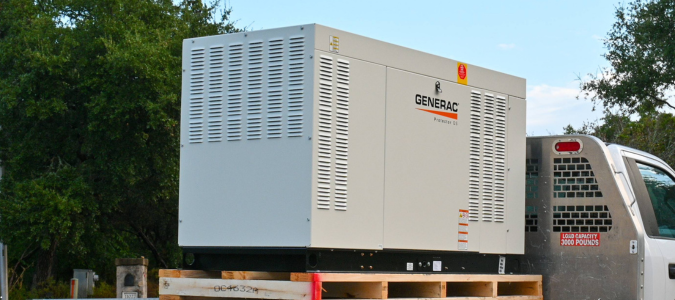
A Generac standby generator is a whole-home backup power solution. For many Texas homeowners, investing in a properly sized and professionally installed Generac generator will help keep their home running smoothly during an outage.
In Texas, power outages are often caused by severe storms and summer heat putting strain on the power grid. One of the best ways to prepare for a power outage is investing in a backup power source, like a Generac home generator.
A Generac generator is a standby generator, which is different from a portable generator. It’s designed to automatically restore power during an outage and is more reliable and convenient than portable generators.
This comprehensive guide covers how Generac standby generators work, their fuel types and the advantages of owning one in Texas. It also includes expert insights from Anthony Burks, Master Electrician and certified Generac generator maintenance technician at ABC Home & Commercial Services.
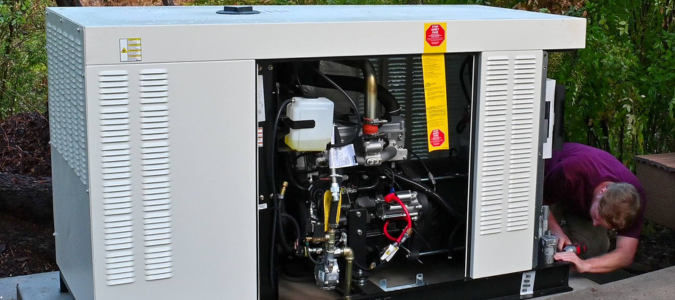
What is a Generac Generator?
To understand what a Generac standby generator is, it’s important to understand how it’s different from a portable generator.
Standby Generator Versus Portable Generator
Both standby and portable generators can power your home, but standby generators run longer and are permanently installed. Portable generators are a smaller, short-term option.
A standby generator, such as a Generac, turns on automatically if it detects a power outage. Portable generators, on the other hand, require manual setup and fueling by the owner.
Next, standby generators are whole home generators. They are permanently installed outside your home and connected to the electrical system. Portable generators are temporary units that are manually connected to your electrical system.
Another perk of standby generators is that they provide power to your entire home. Portable generators can only provide partial-load coverage. This means that they can only power a few essential appliances at a time during an outage.
Common Generac Generator Types
There are several types of Generac standby generators. They are designed for varying factors, such as your property size and power needs. For example, two common types include:
- Residential models, designed for single-family homes
- Light commercial models, designed for large buildings
The most common type of Generac generator for residential homes are air-cooled generators. These use fans and airflow to regulate the temperature of the engine. Alternatively, liquid-cooled generators use a radiator system, which is similar to a car engine. Liquid-cooled generators are best for larger homes with higher power demands.
Not sure what generator size you need? Speak with a licensed electrician for help.
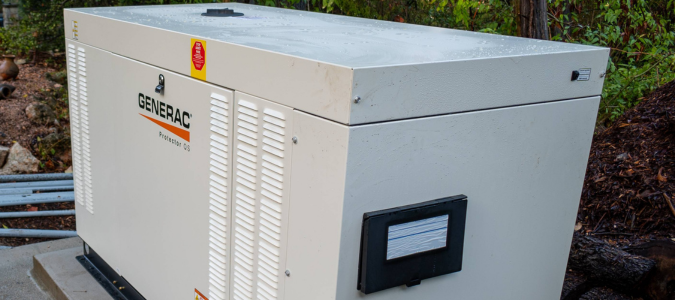
How Does a Generac Generator Work?
Standby Generac generators provide power during outages in six crucial steps:
- Power outage detection
- Fuel supply activation
- Engine starts and generates mechanical energy
- Alternator converts mechanical energy into electricity
- Power is routed into your home
- Generator shuts off and resets when utility power returns
Throughout the process, multiple components work together to detect the outage and provide power to your home. Let’s dive into each of these steps.
Power Outage Detection (Automatic Transfer Switch)
The process begins when the automatic transfer switch (ATS), which constantly monitors power coming from the utility grid, detects a power outage. This typically happens within seconds of losing power.
Quick detection is important for sensitive electronics, like your internet router and smart home devices. Standby generators reduce downtime and allow you to continue using your devices and appliances.
Fuel Supply Activation
After the ATS detects a power outage, the generator’s fuel supply is activated. The most commonly used fuel sources for standby generators are natural gas and liquid propane. A standby generator is connected to your home’s fuel supply and has continuous access to energy.
This means that you won’t need to refuel your generator during extended power outages. As long as the fuel supply is available, the generator can deliver power.
Engine Starts and Generates Mechanical Energy
After the fuel supply is activated, the generator’s engine starts, which triggers it to generate mechanical energy.
As Burks explains:
“A generator works by converting mechanical energy into electrical energy. The simplest explanation is that a motor spins a rotor inside of a coil.”
Generator engines operate similarly to car engines, using internal combustion. Basically, the engine mixes fuel and air to ignite.
The generator also regulates the engine speed to maintain consistent performance and power.
Alternator Converts Mechanical Energy Into Electricity
The engine’s spinning shaft turns out the alternator, which contains rotating parts that move within a magnetic field. The motion creates alternating current (AC) electricity, the type of power your home uses.
As Burks says,
“There is a magnetic field produced from a battery energizing an electromagnet. When the generator reaches a certain voltage, it sustains its own magnetic field. The RPM of the motor, the magnetic field strength and number of windings will determine the output voltage. For residential homes its goal is to produce 240V.”
An important aspect of standby generators is regulating voltage and frequency. This ensures that the electrical output is consistent and reliable.
Power Is Routed Into Your Home
Once the generator’s engine produces electricity, it’s routed into your home. This quickly restores power in an outage.
The automatic transfer switch plays another essential role in this step of the process. It disconnects your home from the utility grid and routes the generator’s power into your electrical system. This process is called isolation. Isolation prevents backfeed, which is when the generator’s energy flows back into power lines.
Generator Shuts Off and Resets When Utility Power Returns
When your home’s power is restored, the transfer switch detects the running power supply. Then, it switches your home back to the grid and shuts off the generator.
The generator cycles through a short cooldown cycle to allow the internal components to stabilize before shutting off. Finally, the generator returns to standby mode until it’s needed again.
What Powers a Generac Generator? Fuel Types Explained
There are two main types of Generac generator fuel types:
- Natural gas
- Liquid propane
Let’s take a look at both of these.
Natural Gas
Natural gas is the most common type of generator fuel for residential areas, especially in urban and suburban areas where homes already have natural gas lines.
Using natural gas provides a continuous supply of energy, which offers better convenience. However, it’s not available everywhere, and people who live in rural areas may not have access to a natural gas line.
Propane (LP)
Propane, also known as liquid propane, generators offer more flexibility and compatibility in rural areas. However, propane is stored in a tank, so your generator’s runtime will depend on the size of your fuel tank.

How Much of Your Home Can a Generac Generator Power?
Burks explains that the exact answer depends on two factors.
“A generator can power a large portion of most homes.”
- The size of your generator
- Your home’s electrical load
Generator Size
Larger, whole-home generators are designed to power your entire home during an outage. This way, you experience little to no power interruption.
However, there are also generators that are designed to only power essential circuits, such as your refrigerator, air conditioning, lights and a few outlets. This option cuts costs while still powering the most essential parts of your home during an outage.
Home’s Electrical Load
To determine the generator size your home needs, you need to consider basic load calculations. Essentially, think through every part of your home that uses power and calculate it in kilowatts to determine what size generator you’ll need. It’s helpful to understand the preferred generator wattage for a house.
Whether your home is all-electric or a mix of electric and gas also plays a role in determining the right size. Burks explains.
“In an average single family home, a Generac generator will generally power everything needed while in an emergency situation.”
In Texas, homes tend to be larger and have higher air conditioning demands, which increases your overall electrical load.
To calculate your electrical load properly, it’s important to get a professional assessment done. This helps make sure your standby generator has enough power for your needs.

Is a Generac Generator Worth It for Texas Homes?
A Generac generator is often worth it for Texas homeowners because of the frequency of outages we can have. A generator also helps protect your home’s value and keeps you from losing things like food during a long outage.
Professional Installation Matters
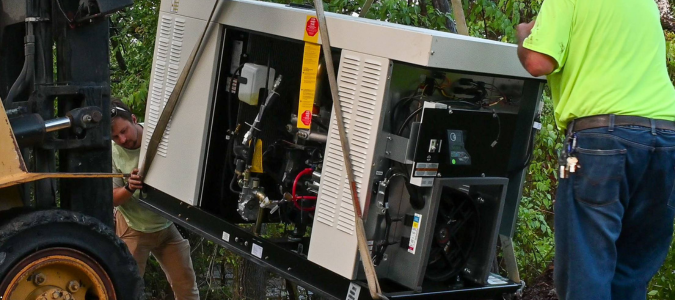
When it comes to installing standby generators, working with a professional is crucial. Every county and city has its own permitting process, and local experts can handle the process with expertise. They’ll also comply with all electrical codes and gas line requirements.
Lastly, professional installation protects your generator’s warranty if you encounter any problems in the future.
Frequently Asked Questions About Generac Generators
How long can a Generac generator run continuously?
How often does a Generac generator need maintenance?
Does a Generac generator turn on automatically?
Can a generator power AC in Texas heat?
Work With the Pros to Install Your Generac Standby Generator
Looking for the most reliable way to power your home during an outage? A Generac standby generator automatically turns on as soon as it detects a power outage, limiting power interruptions.
Talk to a licensed electrician today to find the right generator for your home.