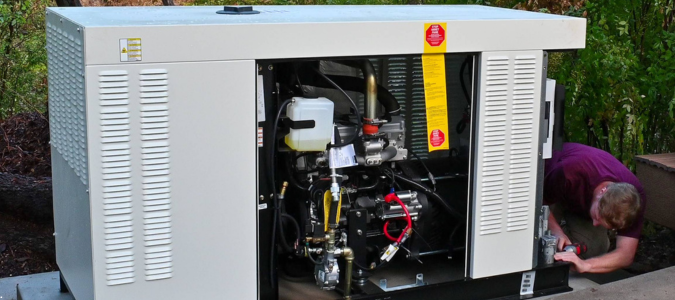
Many Texas homeowners choose to rely on generators for backup power. Since we experience high summer heat and occasional winter freezes, having a standby generator can keep your home powered during outages.
How long do generators last, and what can you do to extend their lifespan? To help answer these questions, we spoke with Anthony Burks, Master Electrician at ABC Home & Commercial Services.
This comprehensive guide covers everything you need to know about the lifespan of your generator, how to make it last as long as possible, signs that it’s near the end of its life and more.
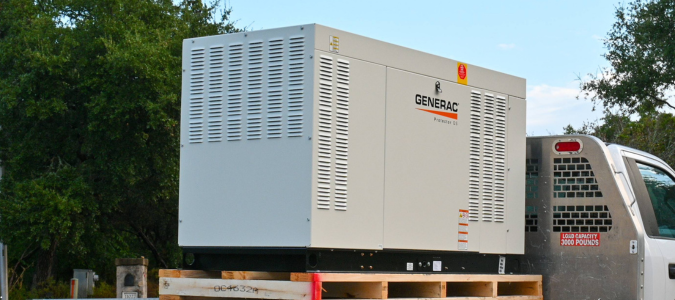
Average Lifespan of Home Generators
The average lifespan of a professionally-installed, well-maintained standby generator is between 20 and 30 years. However, the lifespan of generators is not solely measured in years; it’s also measured in hours of use.
A well-maintained standby generator can typically offer about 10,000 to 30,000 hours of active runtime over its lifespan. How often the generator runs plays a major role in longevity. Systems used only during occasional outages may last decades, while generators that run frequently or for extended outages will experience more wear.

Key Factors That Affect Generator Lifespan
Five key factors impact the lifespan of a generator:
- Usage frequency
- Fuel type
- Texas climate conditions
- Maintenance practices
- Installation quality
Let’s dive into each of these.
Usage Frequency
How often you use your generator plays a significant role in how long it will last. For example, standby generators that are only used during power outages will have a much longer lifespan than generators that are used often.
How long you run your generator during each use can also determine its lifespan. If a Texas heat wave or winter freeze results in running the generator for several hours or even days, it will sustain more wear and tear than normal. The faster a generator accumulates hours of usage, the faster it will wear down.
Fuel Type
Generators that use gasoline as a fuel source tend to have shorter lifespans than generators that are powered by diesel, propane or natural gas.
While diesel and propane units offer great durability, natural gas generators are the most common choice for Texas homes. They still have a long lifespan and offer whole-home reliability.
Texas Climate Conditions
The variable weather conditions in Texas can put more wear and tear on a standby generator, shortening its lifespan. For example, extreme heat can stress the generator’s mechanical components, while high humidity can cause corrosion.
In some Texas regions, such as the deserts of West Texas, dust can reduce the generator’s efficiency. Meanwhile, in coastal regions of Texas, the salt air can shorten a generator’s lifespan.
To combat the impact of Texas climate conditions, it’s important to have your standby generator regularly inspected and maintained by a licensed professional.
Maintenance Practices
Routine maintenance can go a long way when it comes to extending the life of your generator. Regular oil changes, filter replacements and load tests will help you save money and headaches down the road.
On the flip side, generators that are not maintained lose about 30 to 40 percent of their lifespan.
Installation Quality
When it comes to standby generators, how they’re installed plays a large role in how long they’ll last. Incorrectly installed generators will deal with issues like poor wiring, an undersized unit or inadequate ventilation. All of these issues will shorten the lifespan of a generator, leading to a costly replacement.
Additionally, Texas has strict state codes that must be followed when installing a standby generator. For all of these reasons, it’s best to leave installation up to a licensed electrician. Not only will it extend the lifespan of your generator, but it will also ensure safety and functionality.
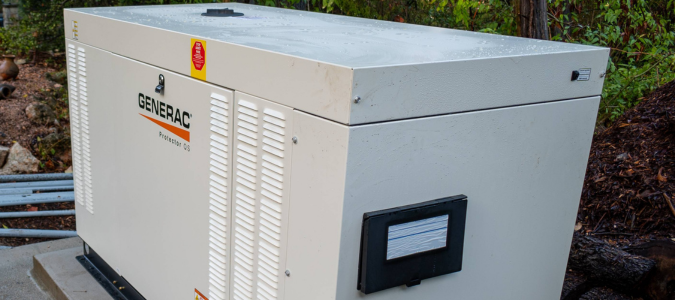
Signs Your Generator Is Near the End of Its Lifespan
How do you know when your generator is at the end of its life? Luckily, there are several signs that can indicate that it’s time to replace your generator.
First, if you notice that your generator is noisier and vibrating more than usual, it may be time to replace it. Generators are designed to run smoothly, so a noisy operation may signal that excessive long-term wear and tear has damaged their components.
Next, hard starts or inconsistent power can serve as a warning that your generator is on its last leg. It’s likely experiencing fuel system issues, electrical degradation or declining engine compression, which are common issues that generators face at the end of their lives.
If your generator starts using more fuel to produce the same amount of power as before, it’s because wear and tear have made it less efficient. When this starts happening, replacing it is often the best choice.
Does your generator give you frequent error codes? These codes indicate that underlying mechanical and electrical issues are interfering with your generator’s operation. While repair may be possible in some cases, these codes could be a sign that your generator is at the end of its life.
Lastly, visible leaks or burning smells can point to generator failure. For safety reasons, it’s crucial not to ignore these issues.
If you aren’t sure whether or not your generator is at the end of its life, consult with a licensed electrician. Additionally, it’s important to note that a large percentage of generators fail early due to a lack of maintenance.
Working with an expert is the best way to ensure that your generator lasts as long as possible. They can also help with other electrical concerns, such as why your breaker keeps tripping with nothing plugged in.
How to Extend the Lifespan of Your Generator
To get the most out of your generator, follow these guidelines for extending its lifespan.
Routine Maintenance Schedule
First, keep a routine maintenance schedule. That includes changing the generator’s oil every 100 to 200 hours, or at least once a year. You should also replace its air filter once a year and replace the spark plug after every 400 to 500 hours of use.
Additionally, a yearly professional inspection can help extend your generator’s lifespan.
Protecting Against Texas Weather
As mentioned above, Texas weather conditions can be tough on generators. The good news is that you can counteract damage with proper protection.
For example, installing an awning or enclosure for your generator can help shield it from conditions like rain and heat damage. If you live in a flood-prone area, elevating your generator can help protect it from costly water damage.
Lastly, keeping your generator’s intake and exhaust areas free from debris will help reduce damage.
Proper Fuel Storage
Proper fuel storage is important for long-term generator reliability. For gasoline-powered generators, it’s recommended to use a fuel stabilizer to prevent the degradation of stored fuel.
Next, make sure that your propane tank’s sizing is adequate to support extended outages without the need for frequent refueling.
If you have a diesel system, maintain a proper turnover schedule to prevent contamination and sediment buildup.
Load Management
It’s important to avoid overusing your generator during Texas summers, when your air conditioning unit is already operating at its peak load. You should also have a pro install a transfer switch for electrical load handling.
Overloading your generator puts extra strain on it, which can shorten its lifespan. With proper planning and expert help, you can avoid these issues.
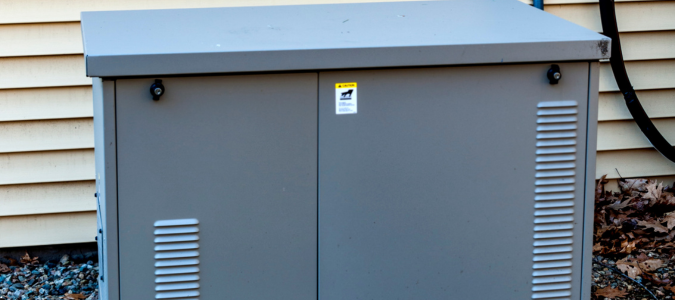
Are Texas Homeowners Getting the Most From Their Generators?
Texas homeowners tend to make a few common mistakes that prevent them from getting the most out of their generators. With professional help, you can learn how generators work and how to extend your generator’s lifespan.
Common Mistakes
The most common mistakes are going for long periods without running your generator, not winterizing your generator during Texas cold snaps and using low-quality or stale fuel.
Any of these mistakes can cause damage and shorten your standby generator’s lifespan.
Benefits of Professional Service
Utilizing professional services can help extend the lifespan of your generator, protect the manufacturer’s warranty and provide safety compliance with Texas’s laws. Working with a pro will save you time and headaches in the long-term.
Frequently Asked Questions
How many hours is a generator good for?
Do generators last longer in certain climates?
How long can a generator run continuously?
Extend the Lifespan of Your Generator With Expert Help
Standby generators are there for you when you need them most, so it’s important to maintain them so that they last as long as possible. With proper care, generators can last for decades. In Texas, extreme weather can create unique maintenance needs that may impact how long your generator lasts.
For the best results, schedule a generator inspection or maintenance appointment with a local electrician.