
Key Takeaways
- The average mosquito lives about two weeks indoors, though some survive up to a month under the right conditions.
- Female mosquitoes are the only ones that bite — and after a single blood meal, one female can lay up to 300 eggs at a time.
- Mosquitoes enter through open doors and windows, drawn indoors by warmth, moisture, and the carbon dioxide humans exhale.
- Bathrooms, laundry rooms, and overwatered houseplants are the most common indoor hiding spots.
- Even a small amount of standing water inside your home — in a vase, flower pot saucer, or drain — is enough for mosquitoes to breed.
- If DIY methods aren’t solving the problem, a licensed pest control specialist can eliminate mosquitoes and the conditions attracting them.
Mosquitoes are ubiquitous during the warm summer months, and many regions of the U.S. stay temperate enough year-round to make mosquitoes a perennial problem. Thus, no matter where you live, it’s likely that you’ll encounter these annoying bloodsuckers at some point when you’re outside doing yard work or relaxing on your patio. Most people have a mosquito-repelling trick or two up their sleeves: They might spray themselves down with bug repellent, or light citronella candles or tiki torches to keep these insects and their itchy bites at bay. The associated smoke, chemicals and pungent scents are too harsh for indoors, however — which is exactly why Houston mosquito control professionals recommend a different approach once these pests make it inside. The next question you might ask yourself is: how long do mosquitoes live indoors, anyway?
The short answer is that the average mosquito lifespan lasts between four days and a month, although most mosquitoes live about two weeks — which can seem like an eternity when dealing with these pesky pests. Also, keep in mind that once a female mosquito bites, it can lay up to 300 eggs at a time, given the proper circumstances, so what could be one mosquito making its way inside could quickly become a big problem. Let’s find out more about these irritating pests that definitely do not make good houseguests.

Why Are Mosquitoes In My House?
Picture this: You’re relaxing on your couch or in bed, reading a book or watching TV, when you hear the telltale, annoying, high-pitched whine of a mosquito — or, worse, you start smacking at your skin because you feel the tiny sting of a bite in progress. If an evening spent safely indoors leaves you with multiple red, itchy welts on your skin, you might wonder, “Why are mosquitoes in my house?”
The answer is relatively straightforward: Mosquitoes gravitate toward dark, warm, moist places where they have access to water, including laundry rooms and bathrooms inside our homes. Anytime you enter or exit your home, especially on a warm, humid night, mosquitoes can slip through the open door into your house. Unfortunately, if these pests are inside your home, getting rid of them may require some know-how and vigilance.
Frequently Asked Questions About Mosquitoes
Before we get into more details about what mosquitoes do in certain parts of your home, let’s go over some of the fundamental questions most homeowners have about mosquitoes.
What Attracts Mosquitoes?
One of the most perplexing questions many of us have is why mosquitoes would choose to go indoors over outdoors. Mosquitoes are attracted to carbon dioxide, which means they often come inside looking for a blood meal from the home’s human inhabitants. For this reason, some people like to build simple mosquito traps using a large soda bottle cut in half, with the bottom section filled with water, sugar, and a bit of yeast. When the yeast reacts with the sugar, this mixture emits carbon dioxide, drawing mosquitoes near. Sliding the top of the bottle upside down into the bottom section creates a funnel that mosquitoes can quickly fly into but can’t easily escape from. Once inside, the insects will drown in the sugar-water solution.
How Do I Know When Mosquitoes Are Around?
The easiest way to know mosquitoes are around is to feel and see their irritating bites, or spot them flying through the air, perching on a nearby wall, or hanging out elsewhere in your home. However, these aren’t the only ways to know you might get bitten soon. You’ll also know mosquitoes are around when you spot their larvae wiggling in your home or yard, such as in a flower pot filled with standing rainwater or a pet’s water bowl. Look for something twitching and worm-like that is small — less than a quarter-inch long and only about a millimeter wide.
How Can I Get Rid Of Mosquitoes In My Home, And How Can I Keep Them From Coming Back?
As elusive as these pests sometimes seem, homeowners aren’t powerless against mosquitoes. Working with Houston pest control professionals is often the most effective route — but here are several things you can do in the meantime to evict mosquitoes from your house and keep them away:
- Keep your exterior doors closed as much as possible.
- Use window screens that are correctly installed and repair any rips or holes.
- If you leave exterior doors open to let in light and air, install a well-fitting screen door that latches shut to keep insects out.
- Since mosquitoes love warm, humid climates, use your air conditioner whenever you can to reduce humidity indoors.
- Dump out (and refresh, if needed) any standing water in vases, saucers holding flower pots, and so on inside your home.
- Consider using mosquito-repellent products in your home’s warmer, damper areas, such as the laundry room or the bathroom.
- Refresh your pets’ water bowls regularly, scrubbing them to remove mosquito eggs or larvae before refilling with fresh water.
Where Do Mosquitoes Hide In Your Room?
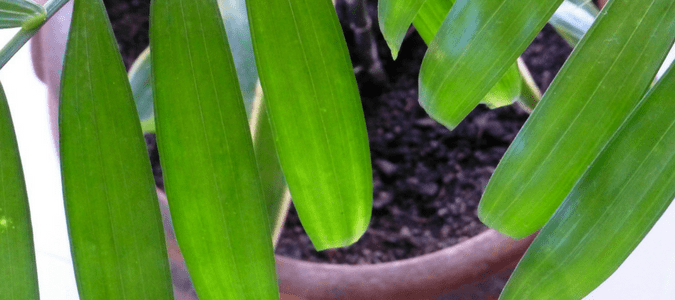
Any source of dampness in your room can provide mosquitoes with an optimal place to hide. This might include a sink drain pipe, especially if the sink is not used very often (since water can sit stagnant in the pipe for extended periods without being flushed or drained). Houseplants are also preferred hiding spots for mosquitoes, especially plants that require a lot of water. Ensure you don’t overwater your houseplants; this is unhealthy for the plant and provides the perfect, damp organic matter for mosquitoes to gather and lay eggs.

Mosquitoes In Bathroom Drains
As mentioned above, mosquitoes can live in bathroom and laundry drains, and they might especially prefer drains that aren’t flushed out very often. If you suspect that mosquitoes have been living or laying eggs in a drain in your home, there are a few things you can try to eliminate them. First, pour a cup of vinegar down the drain, then cover the drain with a rag soaked in vinegar. Keep the drain covered for a few hours and up to a day if you can stand the pungent smell. Then rinse the drain thoroughly with the hottest water available. Another method is to pour a cup of bleach down the drain, let it sit briefly, then flush with the hottest water possible. Don’t let the bleach sit for too long; its harsh fumes can be corrosive to plastic pipes, human lungs, and nasal passages. It’s also worth noting that if you’re seeing smaller, darker insects around your drains, tiny black mosquitoes in your house may be a different species entirely — container-breeding Aedes mosquitoes that carry additional health risks and require a slightly different control approach.
How Long Do Mosquitoes Live After They Bite You?
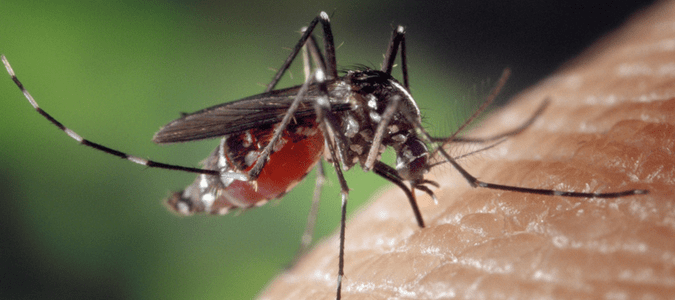
Interestingly, as confirmed by the Centers for Disease Control and Prevention, only adult female mosquitoes bite humans (or other warm-blooded animals) and feed on their blood. As we already mentioned, the lifespan of an adult mosquito can be as long as several weeks up to a couple of months; thus, if a mosquito can find enough food in the form of people to bite (and assuming it can avoid being killed!), it can theoretically bite you again and again for weeks before it finally dies of old age.
Doesn’t sound very appealing. Let’s look at the best ways to keep mosquitoes away from your yard and home.
How To Keep Mosquitoes Away From Your Yard
Here are several tips for keeping mosquitoes out of your outdoor living spaces:
First and foremost, do not let water collect. Mosquitoes lay eggs in water, so standing water anywhere in your yard is fair game for these pests to proliferate. According to Texas A&M AgriLife Extension, mosquitoes breed in a wide range of containers and water sources — from ponds and puddles to flowerpots, tree holes, and pet bowls — so you have to be thorough. After it rains, regularly and consistently dump out any standing water from flower pots, planters, tires, buckets, wheelbarrows, swings, toys, and any other places in your yard where water might collect. If you have a fish pond or birdbath, refresh the water regularly. You might also want to consider using larvicide pellets to discourage mosquitoes from laying eggs.
If you have a water collection system in your yard, such as a rain barrel or cistern, ensure it’s properly and tightly covered so mosquitoes can’t get in to lay eggs. If your system uses an open-topped container, cover it with fine-gauge wire mesh with holes small enough to keep out mosquitoes.
Since mosquitoes can also live (and lay eggs) in warm, dark, moist areas like piles of wet leaves, rake out dead leaves and underbrush regularly. Keeping your grass mowed and your vines and bushes trimmed will also help reduce the places in your yard where mosquitoes want to congregate. Some Houston homeowners also supplement their prevention efforts with mosquito repellent plants in their Texas yard — certain species like citronella, lavender, and marigolds can make your outdoor space less appealing to these pests. If you have a septic tank, keep it sealed and in good repair; use cement to fix any gaps or cracks in its exterior walls. Repair and seal any broken pipes or pipe joints, and cover ventilation pipes with fine-gauge wire mesh.
You can also use thermal or aerosol foggers in your yard, but be aware that both can also harm beneficial insects like bees and butterflies. For this reason, it’s best not to use them near flowering plants where bees congregate.
More Questions About Mosquitoes Living Indoors
How long do mosquitoes live indoors without blood? Male mosquitoes never feed on blood — they survive on plant nectar and typically live only one to two weeks. Female mosquitoes can go several weeks without a blood meal, though they need one to reproduce. Indoors, both sexes tend to live longer because they’re sheltered from wind, weather, and predators.
Can mosquitoes breed inside your house? Yes. Any standing water inside your home — even a small amount in a vase, flower pot saucer, or slow-draining sink — is enough for a female to lay eggs. Eggs can hatch in as little as 24 hours, and larvae develop into adult mosquitoes in approximately one to two weeks under warm indoor conditions.
Why do I keep getting bitten by mosquitoes inside my house? If you’re being bitten repeatedly indoors, there’s likely an active breeding source somewhere in the home. Check for standing water in plant containers, bathroom drains, or any infrequently used fixture. Mosquitoes are also drawn to body heat and carbon dioxide, so they actively seek out sleeping or resting people — especially at night.
What kills mosquitoes inside the house instantly? A direct application of aerosol insecticide kills mosquitoes on contact. For longer-lasting results, treat dark, damp areas with a residual product. That said, killing adult mosquitoes doesn’t eliminate eggs or larvae — you have to address standing water sources at the same time to actually break the breeding cycle.
Where do mosquitoes hide in your bedroom? Mosquitoes prefer cool, dark spots low to the ground — behind furniture, under beds, inside closets, and near air conditioning units. They also rest on walls and curtains. Overwatered houseplants in a bedroom are a particularly common harborage site, since the damp soil gives females a place to lay eggs.
Do mosquitoes die in air conditioning? AC alone won’t kill them, but it does make the environment less hospitable. Mosquitoes thrive in warm, humid conditions, so running your air conditioner reduces indoor humidity and slows their activity and reproduction. It’s a helpful deterrent — just not a substitute for eliminating breeding sources.
How do I get rid of mosquitoes in my room at night? Close doors and windows before dusk to stop new mosquitoes from entering. Aim a fan at your sleeping area — mosquitoes are weak fliers, and airflow makes it very difficult for them to land on you. A mosquito net over your bed provides direct protection. For a lasting fix, track down and eliminate any standing water near the room.
ABC Home & Commercial Can Solve Your Mosquito Problem
If mosquitoes are plaguing your home and yard, you may have a bigger problem on your hands than you can adequately handle on your own. Our pest control specialists at ABC Home & Commercial Services are mosquito experts — and we’re also very knowledgeable in keeping these pests away from your living spaces, indoors and out. We’ll work with you to determine the optimal treatment plan. This might include treating your home and yard with larvicide or mosquito-repellent products, including in any dark, damp areas where mosquitoes live or lay eggs. We might also set up a yard maintenance plan to ensure your grass and shrubs stay trim, and all dead leaves and undergrowth are removed regularly. We’ll fix any grading issues your yard may have or recommend drainage elements as needed to address low spots, holes, and depressions where water collects. The key is to kill off existing mosquitoes and their eggs, and eliminate any and all prime spots where these insects might congregate, so you can enjoy your yard and your home, insect-bite- and worry-free.