You’ve spread the grass seed, but now comes the real challenge: learning how to water your new lawn just right. With consistent watering and patience, most Texas lawns start sprouting within 10 to 14 days.
How do you know how long to water your grass seed so that it grows evenly and remains healthy?
Most homeowners don’t realize that how long you water your new grass seed matters just as much as how often you water it. After planting new grass seeds, the soil needs to remain moist to ensure successful germination and root development.
Keep reading to learn how long you should water your grass seed, an ideal week-by-week water schedule, common watering mistakes to avoid and more.
This guide draws on insights from ABC’s certified lawn experts, including J Zambo. J is the Lawn & Tree Division Manager at ABC Home & Commercial Services and has over 20 years of experience. He is an ISA Certified Arborist and ISA Qualified Tree Risk Assessor.
“Planting from seed is more difficult than they make it look on the commercials. ‘Just throw this down and use this special mix and it’ll come in great.’ It’s not as easy as that,” says J. Keep reading to learn more about what it really takes to grow a strong, healthy lawn from seed.
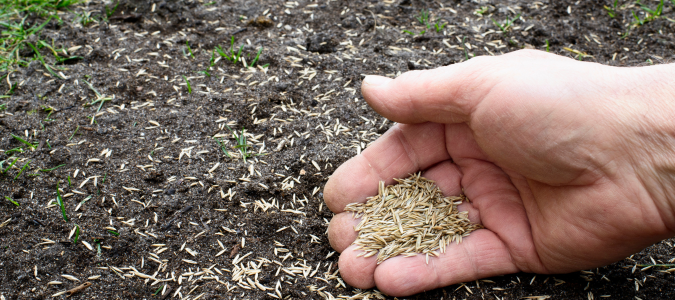
Why Watering Time Matters For New Grass Seed
Moist soil is essential for activating the germination process, which is crucial for growing grass seeds into a strong and thriving lawn. If the soil dries out in between waterings, your seeds will likely die before they have a chance to germinate and establish roots.
At the same time, overwatering your lawn can damage your grass seeds, which is why it’s important to get it just right. Watering too deeply in the beginning can cause seed runoff or promote shallow roots, which does not bode well for the longevity of your lawn.
It’s important to understand that your watering time will vary depending on what stage of growth your grass is in. For example, just after seeding, watering your lawn frequently but lightly is the key to keeping your soil moist without oversaturating it.
As your grass begins to grow, you should water less often but more deeply. You can continue with this schedule until your grass is established, and then transition to a normal watering schedule. Keep reading for a full week-by-week guide to watering time.

Factors That Affect How Long to Water
Along with the growth stage your grass is in, other key factors affect how long you should water your new grass seeds. These include:
- Grass type
- Soil type
- Climate and weather conditions
Keep reading to learn more about these important factors.
Grass Type
Different types of grass require different watering schedules and methods, as they each have different levels of drought tolerance. For example, common warm-season grasses in Texas include bermuda, St. Augustine and zoysia. These grasses have a higher drought tolerance, which means they require less moisture.
Cool-season grasses, on the other hand, have higher water demands. Common examples that thrive in Texas include tall fescue, ryegrass and Kentucky bluegrass. Curious about the best grass for Central Texas? A local lawn care pro can guide you on which type is best to install in your yard.
The key is to treat each type of grass differently based on its specific needs. For personalized tips, a lawn care professional can guide you on the correct watering schedule for your type of Texas grass.
“Once the hull/shell of the seed gets wet, it has to stay on moist soil. So, that means that the time of year that you’re planting is really important,” says J Zambo. “And if you’re planting a warm-season grass, you can’t plant it and seed in the fall because, well, it’s a warm-season grass, so you want to establish it in the spring coming into summer.”
Soil Type
The type of soil you have directly influences how often and how long you should water your new grass seedlings. For example, since sandy soils drain quickly and don’t hold onto moisture for very long, you need to water your lawn more often. Shorter, more frequent watering sessions are key.
Clay soil, on the other hand, retains water more effectively, allowing it to hold onto moisture for longer. However, since it takes longer for the water to penetrate clay soil, watering too quickly can lead to run-off. The most effective method is to water clay soil slowly and deeply. Spread the watering sessions out more than you would for sandy soil.
Climate and Weather Conditions
The third factor that impacts how often and how long you should water your new lawn is the climate and weather conditions in your region. The local climate determines how quickly water evaporates from your turf. Wind conditions, sun exposure, rainfall and humidity levels also play a vital role.
For example, if you plant your seeds on a warm and windy day, your soil will lose moisture quickly and require more frequent watering compared to planting on a cool day with plenty of shade.
A local lawn care professional can help you navigate the climate considerations for your region and recommend an optimal planting schedule. They can also help you troubleshoot any issues with your lawn, such as yellow spots in your grass.
What Our Customers Say
“They take great care of our lawn needs! Always professional and consistent.”
— James B.
Watering Schedule for Grass Seed (Week-by-Week)
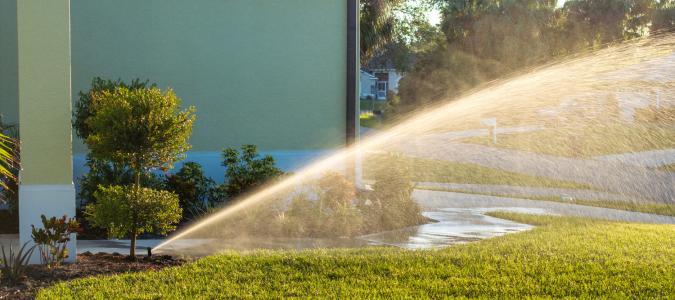
Common Watering Mistakes to Avoid
There are three common watering mistakes to avoid:
- Overwatering
- Underwatering
- Watering mid-day
Keep reading to learn how each mistake can impact your lawn.
Overwatering
Over-saturating your new lawn can cause your seeds to rot. It can also suffocate the seeds by blocking their access to oxygen.
Another consequence of overwatering is that it causes your soil and the nutrients your seeds need to grow to run off. To avoid overwatering, conduct more frequent but light waterings for the first two weeks after seeding.
Underwatering
“Once you water it, that soil needs to stay moist. So there’s a constant irrigation cycle or a really dedicated homeowner who needs to be out there with the hose, keeping that seed moist, until it germinates and then establishes,” says J Zambo. “Through that establishment period, you have to keep a good irrigation schedule.”
Keeping the top inch of your soil moist for the first two weeks after seeding is crucial for the future of your lawn. If you water too little or too infrequently, your seeds will dry out and germinate unevenly, which can lead to a patchy-looking lawn.
It’s important to check your soil multiple times a day after seeding. If you live in a warm climate where the soil dries out quickly, it’s even more important to ensure that it stays moist through frequent watering.
Watering Mid-Day
When you water your lawn is just as important as how often you water it. Watering during the middle of the day, when the sun is at its peak, causes the moisture to evaporate quickly, often before it can penetrate the soil and reach the root zone.
This can lead to uneven grass growth. If you’ve encountered this issue, consult with a lawn care professional to help you fix patchy grass.
For the best results, water your lawn in the morning before it gets too warm.
Frequently Asked Questions About Watering New Grass Seed
How can I tell if I’m overwatering grass seed?
What’s the best time of day to water new grass in Texas?
Can I use a sprinkler timer for new seed?
How long does it take grass seed to sprout in Texas?
Do I need to adjust watering if it rains?

How to Adjust Your Watering For Texas Conditions
In Texas, most municipalities place restrictions on when and how often you can water your lawn during dry seasons. This is to conserve water during a drought, and it’s important to comply. It’s common for cities to use a four-stage conservation system.
Understanding Local Watering Restriction Stages
Step 1: Water your lawn with a hose-end sprinkler or automated irrigation system once per week during allowed times. Hand watering and soaker hoses are allowed any day of the week.
Step 2: Restrictions increase, but most homeowners may still use hose-end or automatic sprinklers once per week during designated watering times.
Step 3: Hose-end and automatic sprinklers are limited to once every two weeks during specific hours. Additional limits apply to hand watering and the use of soaker hoses.
Step 4: The strictest stage, allowing only hand watering at designated times. All prior restrictions on sprinkler systems and hose use remain in place.
For the most accurate and up-to-date rules, always check your local city or county water authority.
Work With ABC’s Lawn Care Pros To Achieve the Lawn of Your Dreams
New grass seeds need consistent, moderate watering until the grass is established. For assistance with your watering schedule, it’s best to work with an expert.
Keep your lawn thriving. Schedule a free consultation with an ABC lawn care expert.