Planting a new tree is a great investment for your yard, but it requires careful maintenance. Many fail because of improper watering, so it’s important for homeowners to learn how often they should water their new trees.
This comprehensive guide includes a clear watering schedule for new trees, tips for adjusting to factors like the Texas heat, rainfall and soil types. It also includes signs that your tree is getting too much or too little water.
Finally, keep reading for expert insights from J Zambo. J is the Lawn & Tree Division Manager at ABC Home & Commercial Services and has over 20 years of experience. He is an ISA Certified Arborist and ISA Qualified Tree Risk Assessor.
Why Proper Watering Is Critical for Newly Planted Trees
Unlike established trees with strong roots, newly planted trees have limited root systems. New trees rely entirely on the moisture in the surrounding soil to survive.
Both underwatering and overwatering new trees can pose serious health issues and threaten their survival. First, improper watering can lead to root desiccation, which is when the roots dry out and die back.
Another potential risk is root rot, which occurs when excess water blocks oxygen from reaching the root system. Root rot often creates the perfect conditions for fungal diseases to grow and thrive.
Lastly, poor watering habits can cause poor root establishment and a long-term decline in new trees.
How Often to Water a New Tree
How often should you water a new tree? Most new trees need watering two to four times per week during the first few weeks, then gradually less often.
However, just as important as how often you water a new tree is how you water it.
According to J Zambo,
“You need to take ownership of how you’re watering your tree. The best way to do it is to soak the area, and then don’t water it at all. Come back in two days. See what that soil is like. Take a pipe or a little shovel and scoop up some dirt and squeeze that ball of dirt in your hand.”
He explains how to evaluate soil moisture:
“If you can squeeze water out of it, it’s too wet. If you squeeze it and it kind of clumps together, but your hand is still muddy, it’s probably still too wet. If you squeeze it and it clumps together and there’s nothing on your hand, that’s the perfect spot. Getting it even more dry than that is sometimes good too. You want the soil to get wet and dry out and wet and dry out. That encourages the roots of the tree.”
New Tree Watering Schedule by Age
First 1 to 2 Weeks After Planting
Water newly planted trees every two to three days in their first two weeks. Focus on saturating the root ball, not simply wetting the surface.
3 to 12 Weeks After Planting
Reduce watering frequency but increase watering depth in this stage. The goal is to encourage strong outward root growth.
3 to 12 Months After Planting
During this stage, transition toward natural rainfall patterns. It’s best to only water as a supplement during a drought or extreme heat.
How Long Should You Water a New Tree Each Time?
How long you water a new tree doesn’t matter as much as the depth of the watering. A good goal is to moisten 12 to 18 inches deep into the soil.
Factors That Change How Often You Should Water a New Tree
Not all tree watering advice is one-size-fits-all. Several factors, including the tree species, soil type, weather, season and tree size at the time of planting can dictate your watering habits.
According to J Zambo,
“For the first year, immediately after planting, water it more regularly just to get those roots established. But as you go into the season, obviously, if you’re planting in the spring, in the summer, you’re going to want to make sure that it’s got a good drink because it’s going from becoming established in the spring to a really hot, stressful summer.”
He also explains why fall can be an ideal planting season:
“It’s a really great time to plant in the fall because now you’re getting establishment. Then it’s got time to sit there and become accustomed to the space, maybe even go dormant for the winter. Then it has the spring to really flourish again before it hits that hot summer.”
Tree Species
Once drought-tolerant trees are established, they require less watering than other types of trees. However, they still need consistent moisture in their first year when the root systems are being established.
On the flip side, high-water-use trees, such as ornamental varieties, need more frequent watering. It’s especially important to water these trees more frequently in hot or windy conditions.
Another thing to consider is that native Texas trees, like many trees in San Antonio, are better adapted to local soil and rainfall patterns than non-native ornamental trees. That means they require less supplemental watering once they’re established.
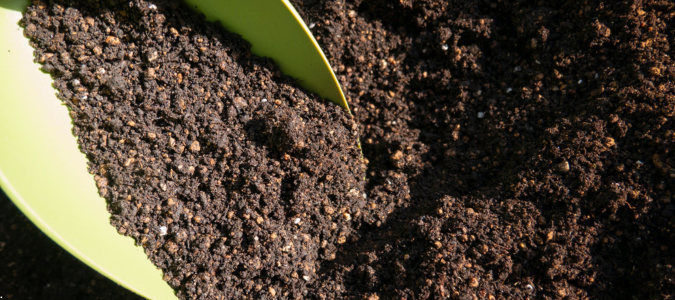
Soil Type
Clay soil holds water longer than other soil types, but it also drains slowly. Trees in clay soil that are watered too often can easily develop root rot, so it’s important to prioritize deep, infrequent waterings.
Sandy soil, on the other hand, drains quickly and dries out faster than clay soil. More frequent waterings, with less amounts of water, are ideal for this soil type.
Lastly, compacted builder-grade soil requires slower watering, and soil improvement may be necessary. This type of soil limits root growth and water infiltration, which can cause the water to run off rather than soak into the soil. Improving soil composition is the best way to help your new trees thrive.
Water and Season
Summer heat causes water to evaporate more quickly than it does in other seasons, so you should water your new trees more frequently during the warm months. You can ease up on your watering schedule in the winter, when the soil remains moist longer. However, you should still be careful not to let the soil dry out completely, especially in Texas’s mild winters.
The season impacts several aspects of tree care, such as the best time to prune trees in Texas.
Make sure you adjust your watering schedule to rainfall patterns to avoid overwatering or underwatering your new trees. Keep in mind that light showers may not be enough to penetrate the soil and benefit the roots.
Tree Size at Planting
The size of your tree container and trunk impacts its watering needs. Larger containers and thicker trunks need more watering during root establishment, whereas smaller containers and trees require less water per session.
However, it’s still important to maintain a consistent watering schedule regardless of the size of the tree. If you’re unsure about the watering needs of your new trees, reach out to a local lawn care professional.
Signs You’re Watering a New Tree Too Much or Too Little
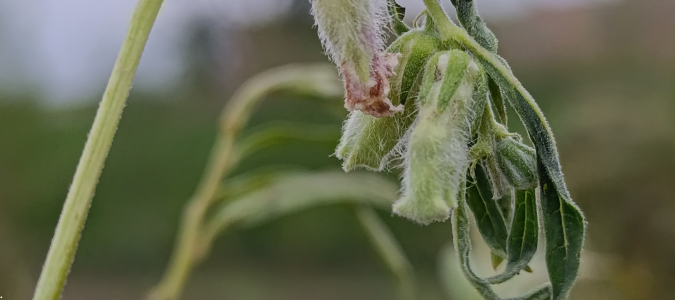
Unfortunately, overwatering and underwatering your tree can lead to similar symptoms. It can be hard to determine which pitfall you’ve found yourself in. Paying attention to symptoms and monitoring your new trees can help them recover faster.
Signs of Underwatering
- Wilting leaves: drooping, curling or limp leaves, especially in the hottest part of the day
- Leaf scorch: brown and crispy leaf edges
- Early leaf drop: your trees sheds its leaves prematurely
Signs of Overwatering
- Pale or yellowing leaves: often starts in the inner canopy
- Mushy soil: it stays wet for several days after watering
- Fungal growth or a sour smell due to standing moisture
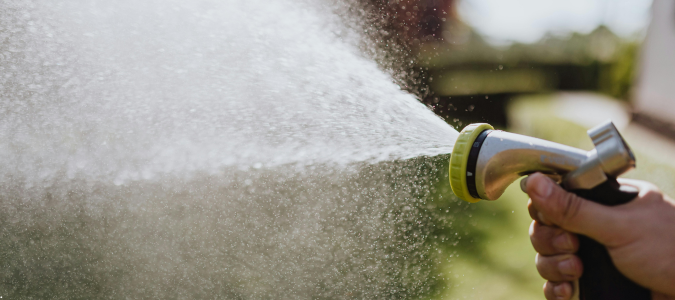
Best Way to Water a New Tree
There are four main tree watering methods. Check out the table below for a quick comparison of the pros and cons of each method.
Tree Watering Methods: Pros and Cons
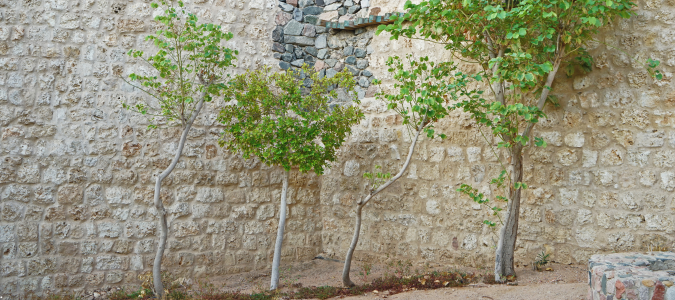
How Often to Water New Trees in Texas
Environmental conditions in Texas, such as extreme heat, droughts and unpredictable rainfall, can make it hard to know how often you should water your new trees.
It’s important to water your new trees more often when temperatures are over 100 degrees. However, you must also pay attention to local water restrictions. The key is to closely monitor your soil to make sure it doesn’t dry out.
When Can You Stop “New Tree” Watering?
Most trees take 9 to 18 months to establish, but large trees may take longer. You should transition from establishment watering to maintenance watering gradually. Before you do so, check for signs that your tree is ready for maintenance watering. These include lateral root growth and healthy canopy development.
Common New Tree Watering Mistakes to Avoid
- Watering too often, but too shallow
- Ignoring soil type
- Relying only on sprinklers
- Forgetting to use mulch
Should You Hire a Professional for Tree Planting and Aftercare?
Working with a professional is a great way to ensure your new trees thrive. This is especially true if you’re dealing with large trees, tricky soil conditions, sloped yards and other factors that make tree maintenance more difficult.
Additionally, it’s a good idea to hire a professional to plant your new trees for you, as proper planting affects the trees’ watering needs. Improperly planted trees with ineffective drainage systems can require extra attention.
A professional can also teach you how to save a dying tree and avoid common mistakes.
Frequently Asked Questions About Watering New Trees
How often should you water a newly planted tree in the summer?
Can you overwater a new tree?
Do new trees need daily watering?
Grow Thriving New Trees With Professional Help
How often should you water new trees? The exact answer depends on the tree type, age, soil and weather conditions. This is why it’s best to work with a professional who can offer specialized advice.
The first year of a new tree’s life is a crucial time for root development, so it’s important to be proactive about tree care. For the best results, schedule a professional evaluation today.