How to Create a Community Recycling Program: A Simple Guide

Creating a community recycling program is a fantastic way to help the environment and promote sustainability. Start by appointing a recycling coordinator who knows how to manage the program effectively. Next, get the community involved by reaching out to residents, businesses, and organizations to build support and encourage participation.
Develop a clear plan that outlines what materials will be recycled, how they will be collected, and where drop-off points will be located. Make sure this plan fits your community’s needs. Educate everyone about recycling through workshops, flyers, and social media to explain why recycling matters and how to do it correctly.
Set up convenient recycling options, like drop-off bins or curbside pickup. Regularly track the program’s progress and gather feedback from participants to make improvements. By promoting recycling, you’ll help reduce landfill waste, save resources, and make a positive impact on your community’s environmental footprint.
1. Understand the Benefits
Starting community recycling programs has a lot of benefits. Recycling helps save space in landfills, reduces harmful environmental impacts, and cuts down on greenhouse gas emissions. It also lowers air pollution, fights climate change, and saves energy. Plus, recycling programs can save money, create jobs, and cut down on operating costs.
By getting the community involved and teaching residents about sustainable practices, your community can handle waste better, improve waste management systems, and boost overall environmental health.
2. Get Support from Local Governments
To get your recycling program started, team up with your local government. They can help integrate your recycling system with current waste disposal methods and guide you on local rules. Work with local recycling coordinators and community groups to streamline the process and access necessary resources. Their support is key to ensuring your recycling program runs smoothly and effectively.
3. Identify Recyclable Materials
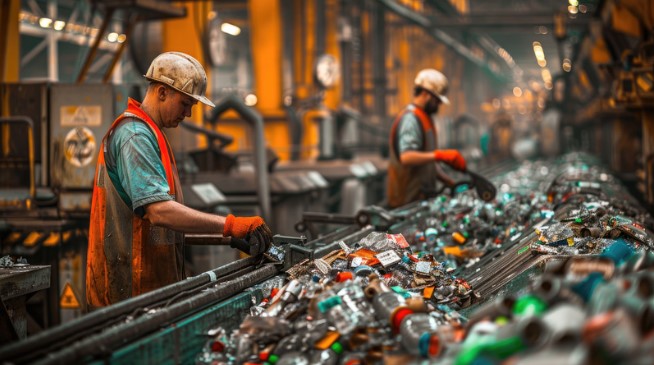
To recycle effectively, you need to know which materials can be recycled in your community. Common recyclables include paper (like newspapers and office paper), plastic (bottles and containers), glass (bottles and jars), and metal (aluminum and tin cans). Properly sorting these items helps boost recycling rates and reduces contamination.
Make sure to check local guidelines, keep items clean by rinsing them, and avoid mixing recyclables with trash. Teaching others about proper recycling helps keep the process smooth and effective, making it easier for everyone to protect the environment.
4. Choose the Right Recycling Program
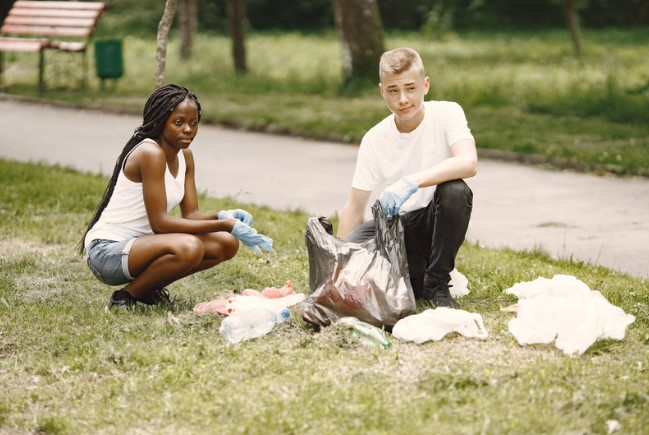
Pick a recycling program that works best for your community:
Curbside Recycling Program:
This option picks up recyclables directly from people’s homes. It’s super convenient and often leads to higher recycling rates because it’s easy for everyone to participate.
Drop-off Recycling Centers:
With this option, people take their recyclables to specific drop-off spots. It’s a good choice if curbside pickup isn’t available or if your community has special recycling needs.
Local Recycling Programs:
These programs are customized for your community’s specific needs. They might focus on things like electronic waste or hazardous materials that regular programs don’t handle.
5. Educate and Engage the Community
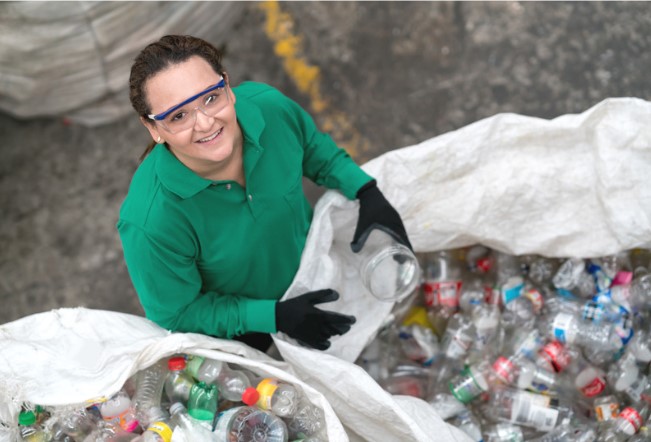
Education is key to making your recycling program work. Teach people in your community why recycling matters, how to sort recyclables correctly, and ways to cut down on litter and waste. Get residents involved by promoting sustainability and making recycling a community effort.
Use workshops, social media, and local events to spread the word and give clear instructions on how to recycle effectively. Sharing information about how recycling works and its benefits helps build a recycling culture in your community.
6. Set Up Collection and Processing
Establishing an effective recycling program starts by placing clearly marked collection bins in inaccessible locations such as parks, schools, and apartment buildings. This makes it easy for community members to drop off their recyclables. Hire a team of recycling coordinators to manage the program, ensuring that the bins are regularly emptied and the overall system runs smoothly. Partner with local recycling centers to handle the processing of collected materials, where they can sort, clean, and prepare them for reuse.
Design the system to be user-friendly, with clear instructions on what can and cannot be recycled to encourage correct participation. Although recycling can be labour-intensive, the environmental and economic benefits make an effort worthwhile. Effective waste management and easy access to recycling facilities are crucial for the success of the program.
7. Promote and Maintain the Program
Get the word out about your recycling program using different channels like social media, community events, and educational talks. Emphasize the economic perks, such as saving money and creating jobs, to encourage people to join in. Keep everyone in the loop with regular updates on how the program is doing and fix any problems that come up to keep things running smoothly—team up with community partners and local businesses to boost your efforts and spread the news even further.
8. Measure Success and Adapt
To see how well your recycling program is working, track how much stuff is being recycled and how many people are taking part. Use this data to adjust and improve the program as needed. Keeping up with education and engagement is crucial to maintaining high recycling rates and making sure the program continues. Also, community members should be asked for feedback to understand their challenges and make the recycling process better.
9. Collaborate with Local Businesses
Team up with local businesses to make your recycling program more effective and widespread. Companies can help by setting up their recycling stations, sponsoring community recycling events, or giving incentives to employees who recycle. This teamwork can increase participation and make recycling a regular part of business activities.
10. Utilize Local Recycling Programs
Incorporate existing local recycling programs into your community effort. Many areas have specialized recycling programs for items like electronics, batteries, or hazardous waste. Leveraging these programs can help manage waste more effectively and provide residents with convenient options for recycling. For example, local recycling programs might offer special collection days or drop-off locations for specific types of waste materials.
11. Incorporate Technology
Use technology to boost your recycling program by incorporating mobile apps or online platforms. These tools can give residents easy access to recycling schedules, information on what materials can be recycled, and where to drop off items. Plus, technology can help track and report the program’s progress so you can see how well it’s working. With real-time updates, it’s easier for everyone to join in and keep the recycling process running smoothly.
12. Engage Local Schools
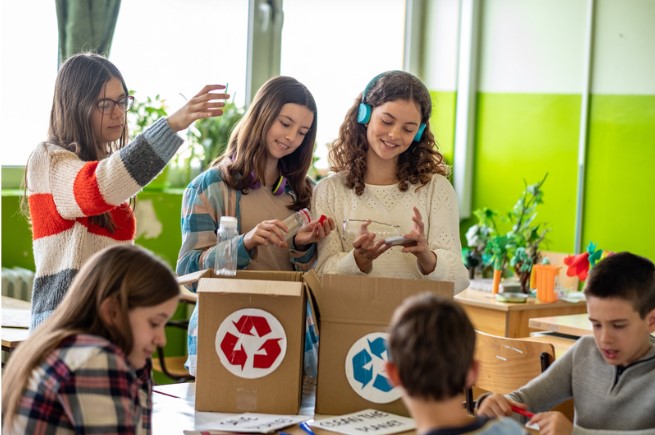
Get local schools involved in your recycling efforts to build a culture of sustainability among young people. Schools can help by hosting recycling drives, adding recycling topics to their classes, or starting student-led recycling clubs. This involvement boosts awareness and helps students develop lifelong recycling habits.
13. Develop Incentive Programs
To get more people involved in your community recycling program, try adding some cool incentives. Team up with local stores to give discounts to those who recycle regularly—it’s a great way to save money while doing good. You could also run raffles where recycling participants can win awesome prizes like gift cards or event tickets. Plus, recognize and celebrate the most dedicated recycles on social media or with special shout-outs. These rewards make recycling more appealing and help create a community that’s excited about going green.
Conclusion
Creating a community recycling program is a fantastic way to contribute to environmental stewardship and sustainability. By following these steps and incorporating key elements like waste disposal, reuse materials, and education, you can start a successful program that benefits your community and the planet. Get involved, educate others, and make a difference through recycling!
Your efforts, no matter how small, will help reduce waste, conserve resources, and promote a healthier environment for future generations.