Wildlife-Friendly Garden

How to Create a Wildlife-Friendly Garden
Creating a wildlife-friendly garden is a rewarding endeavor that enhances your outdoor space while supporting wild creatures. By incorporating local flora, providing protection, and creating diverse habitats, you can transform your outdoor space into a sanctuary for birds, pets, and other nature wild creatures. A well-designed wildlife garden not only beautifies your surroundings but also contributes significantly to the health of your local ecosystem.
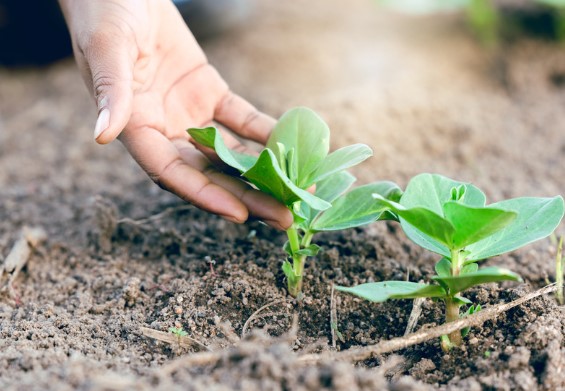
This comprehensive guide will walk you through the steps to create a thriving wildlife habitat in your outdoor space, ensuring that it becomes a haven for various forms of nature and wild creatures. From feeding birds and supporting natural varieties to providing food for other insects and slow worms, you’ll learn how to make your garden wildlife-friendly.

By growing natural varieties, you create natural habitats that cater to the needs of wild creatures. Local Flora are crucial as they provide the right type of foodstuffs and protection for birds, insects, and tiny mammals. Including nectar-rich plants and fruit-bearing shrubs can greatly enhance the nutrition sources available in your outdoor space.
Additionally, incorporating features like bird feeders and nesting areas can attract and support a range of varieties. By creating these habitats, you offer valuable protection and ensure that your outdoor space is a safe haven for wild creatures years.
Understanding the Importance of Wildlife-Friendly Gardens
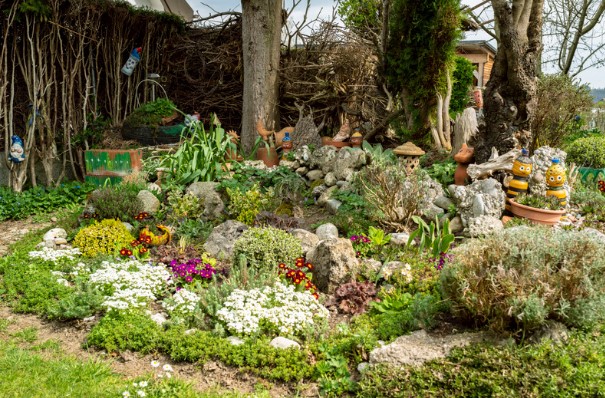
A wildlife garden not only adds beauty and interest to your outdoor space but also plays a crucial role in supporting wild creatures. By fostering a wildlife garden that provides foodstuffs, protection, and nesting areas, you contribute to the health of the local ecosystem and the survival of various varieties.
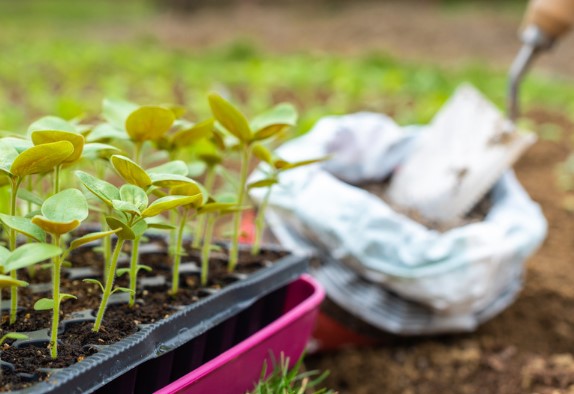
Incorporating elements like a bird feeder and creating habitats that cater to different species helps maintain biodiversity and strengthens the natural balance. Growing natural varieties is essential for attracting and sustaining wild creatures, as these plants offer the appropriate foodstuffs sources and protection for birds, insects, and even slow worms. By focusing on how to plant native and provide protection, you ensure that your outdoor space becomes a thriving sanctuary for a diverse range of creatures.
Choosing Native Plants for Wildlife Gardens
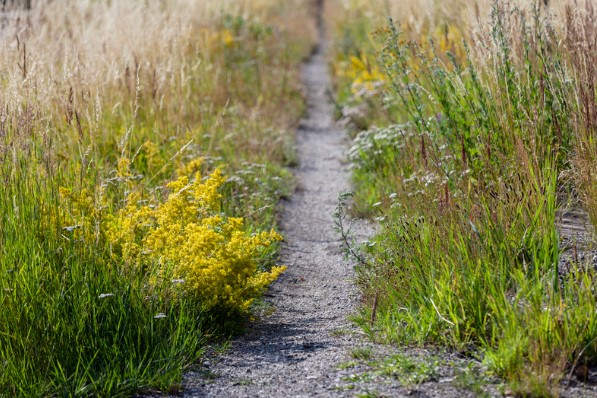
Why Choose Natural Plants?
Local Flora are essential for a garden. They are adapted to local climate and soil conditions, making them easier to grow flower and maintain. Native species also provide the most suitable nutrition sources and habitats for wild creatures. Here’s why local flora are crucial:
Support Local Wildlife: Local Flora offer nectar, seeds, and foliage that wild creatures, including insects, birds, and mammals, rely on for survival. In a garden, these plants create a vital connection between the garden’s ecosystem and the wildlife.
Promote Biodiversity: Growing natural organisms supports a diverse range of wild creatures, including pollinators like bees and butterflies, as well as birds and tiny mammals. For example, self-heal provides nectar for pollinators and contributes to overall garden health.
Reduce Maintenance: Local Flora require less water and fewer chemicals, making them easier to manage and helping to reduce your garden’s environmental impact. By selecting the right plants, you support more wild creatures and maintain a balanced ecosystem.
Create Habitats: Native species provide essential habitats, including nesting areas and protection, for a variety of wild creatures. Adding elements like bird feeders and diverse plantings ensures that your outdoor space accommodates a range of varieties and their needs.
Encourage More Wildlife: A garden filled with local flora naturally attracts a variety of wild creatures. By providing food and protection, you’ll see an increase in the number of varieties visiting and inhabiting your garden.
Space Permits: If space permits, consider incorporating other plants and garden features, such as wild flower meadows or pond areas, to further enhance your garden’s appeal to wild creatures.
Selecting Plant Species for a Wildlife Garden
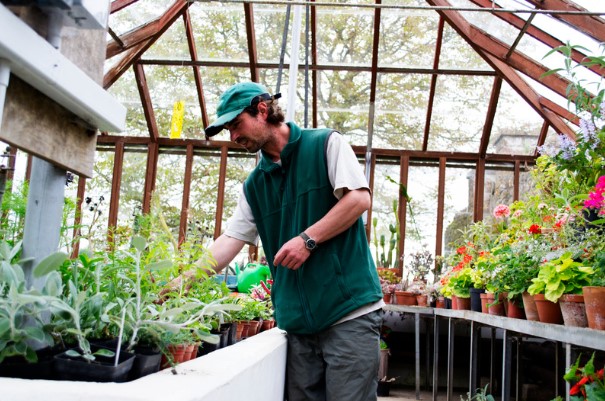
When selecting plants for your garden, consider the following types:
Flowering Plants: Choose nectar-rich flowers that attract pollinators such as bees and butterflies. Varieties like cone flowers, black-eyed Susans, and bee balm are excellent choices.
Native Wildflowers: Incorporate native wildflowers to create a functional and visually appealing landscape that supports local wildlife. Opt for species such as milkweed, goldenrod, and purple cone flower.
Shrubs and Trees: Select shrubs and trees that offer both protection and nourishment. Species like dogwood, elderberry, and holly provide berries for birds and cover for mammals.
Ground Cover Plants: Use low-growing ground covers such as white clover and creeping thyme to offer habitats and nutrition for insects.
Planting for Year-Round Interest
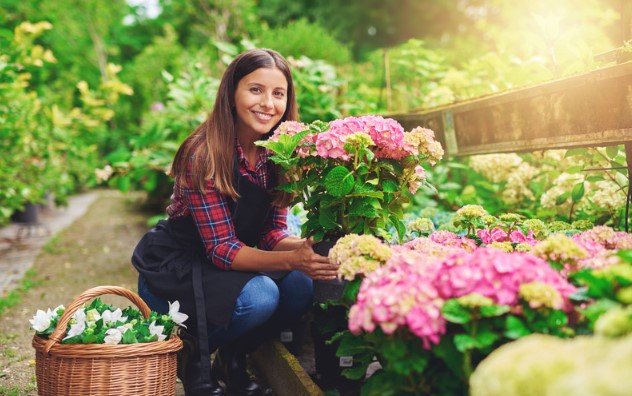
To support wildlife throughout the year, include plants that offer blooms and sustenance in every season. Select early spring bloomers, summer-flowers varieties, and late summer plants that provide nectar and seeds as other nutrition sources wane.
Creating Wildlife Habitats
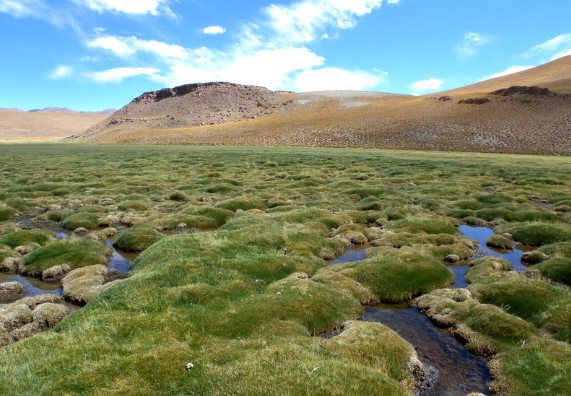
Providing Shelter
Shelter is vital for wild creatures, offering protection from predators and harsh weather. Enhance your garden by adding these features:
Bird Boxes: Install bird boxes to provide nesting sites for birds. Ensure they are placed at varying heights and in different locations to accommodate various varieties. A well-placed bird box can attract many creatures, from small songbirds to larger varieties looking for a safe nesting spot.
Bug Hotels: Create or purchase bug hotel to provide shelter for beneficial insects such as ladybugs and bees. These structures provide valuable home for a range of insects that help with pollination and pest control, contributing to a healthy garden ecosystem.
Compost Heap: A compost heap serves as a home for insects and tiny mammals while recycling garden waste. By maintaining a compost heap, you support wild creatures and reduce garden waste.
Bird Feeder: Adding a bird feeder provides a reliable source of nutrition for visiting birds, especially during the colder months. Choose feeders that cater to different types of birds and provide a variety of foodstuffs options to attract a diverse range of species.
Buying Plants: When purchasing plants, select varieties that offer both foodstuffs and protection for wildlife. Local Flora often provide the best resources for local creatures, helping to create a garden that supports a wide range of wild creatures.
Other Creatures: In addition to the features mentioned above, consider adding elements that attract other creatures, such as tiny mammals or amphibians. Features like a pond or rock piles can offer valuable protection and home for a variety of species.
Local Area: Tailor your protection options to the needs of wild animals in your local area. Research local species to ensure that your garden provides appropriate resources for them.
Water Features
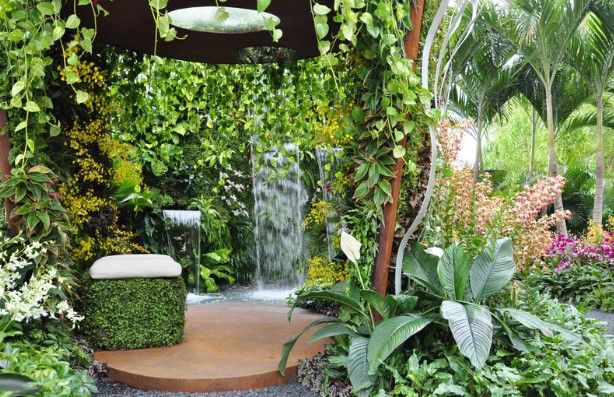
Water is essential for wildlife, providing crucial resources for hydration, bathing, and breeding. Incorporate water features into your garden to attract and support a variety of creatures, enhancing the natural beauty and ecological value of your outdoor space in lawn.
Ponds: A pond, whether big or small, is a vital addition to any wildlife garden. It offers a habitat for amphibians, such as frogs and newts, insects like dragonflies, and bird seeking a water source. Ensure the pond has gently sloping sides to allow easy access for animals and is surrounded by local flora that provide both foodstuffs and protection. A well-maintained pond can also attract butterflies and other insects, enriching your garden’s ecosystem.
Bird Baths: Provide bird baths with clean water to help bird stay hydrated and bathe. Bird baths are an important part of a wildlife garden, offering a safe place for birds to drink and clean their feathers. Place bird baths in a quiet, sheltered area to reduce disturbance and ensure that the water is refreshed regularly. Adding a bird bath to your lawn or garden can significantly increase the variety of birds that visit your space in lawn.
Nature’s Benefits: Incorporating these water features not only supports a range of wildlife but also enhances the overall aesthetic and ecological balance of your garden flowers. Ponds and bird baths contribute to the natural beauty of your outdoor space and offer valuable resources for animals, insects, and butterflies.
Planting for Food
A wildlife garden should offer a diverse range of foodstuffs sources to support the varied diets of wildlife. By selecting plants that cater to different needs and preferences, you can create a thriving habitat for many species.
Nectar-Rich Plants: Choose nectar-rich plants to attract pollinators such as butterflies and hummingbirds. Plants and flowers like lavender, bee balm, and coneflowers produce abundant nectar that these insects rely on for sustenance.
Seed-Producing Plants: Incorporate plants that produce seeds, providing a valuable nutrition source for birds and small mammals. Sunflowers, coneflowers, and echinacea are excellent choices, as they produce seeds that birds will eagerly consume.
Fruit and Nut Trees: Planting fruit and nut plant offers a huge range of foodstuffs options for various wildlife. Trees such as apple, cherry, and hazelnut provide a rich food source for birds, squirrels, and other animals.
Additional Considerations: To further enhance your garden’s ability to provide food, consider integrating features such as a big pond, which supports aquatic life and attracts wildlife. Incorporate a variety of plants and flowers to cater to different species and offer multiple food sources.
Creating a Diverse Garden Ecosystem
Companion Planting
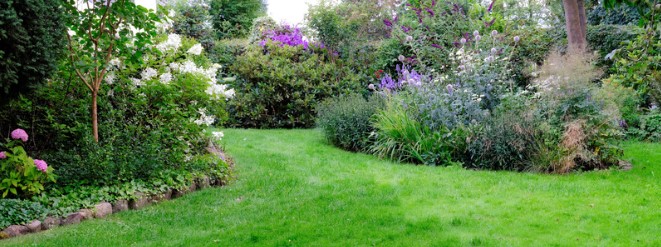
Companion planting involves growing plants that benefit each other and the garden’s ecosystem in lawn. For example:
Mixing Flowers and Herbs: Combining flowering plants with herbs like mint and lavender can attract beneficial insects and repel pests.
Using Ground Covers: Planting ground covers helps reduce soil erosion and provides habitat for small creatures in lawn.
Encouraging Different Species
To attract a wide range of wildlife, incorporate various plant species and garden features. This diversity creates multiple niches for different animals and insects:
Longer Grass and Wildflower Meadows: Allowing parts of your garden to grow long or planting a wildflower meadow provides habitat for insects and small mammals.
Trees and Shrubs: Planting a mix of trees and shrubs offers valuable shelter and food for birds and small mammals.
Avoiding Non-Native Plants
While non-natural plants can be beautiful, they may not support local wildlife as effectively as native species. They can sometimes become invasive and outcompete local flora. Focus on using local flora to ensure your garden soil remains wildlife-friendly.
Maintaining a Wildlife-Friendly Garden
Regular Upkeep
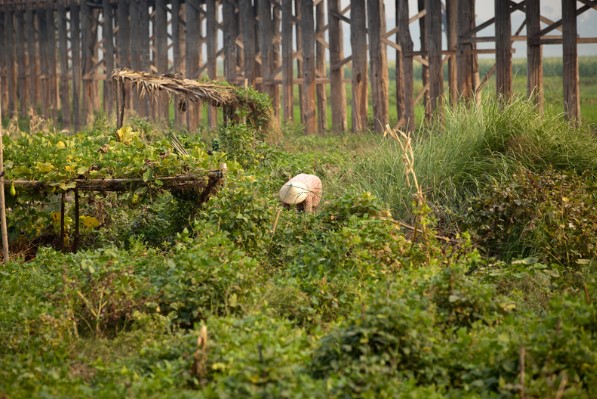
Maintain your garden by:
Pruning and Weeding: Regularly prune and weed to keep plants healthy and ensure they continue to provide habitat and food.
Checking Nesting Sites: Inspect bird boxes and nesting sites periodically to ensure they are in good condition.
Seasonal Care
Adapt your gardens care routine to the changing seasons:
Spring: Prepare your garden by planting native species and cleaning up any winter debris.
Summer: Water plants as needed and monitor for pests.
Fall: Leave some plant stems and seed heads for wildlife and clean up fallen leaves to prevent disease.
Winter: Provide additional food sources and provide shelter for wildlife.
Conclusion
Creating a wildlife garden is an enriching way to connect with nature and support wildlife. By planting native species, providing protection, and incorporating diverse habitats, you can foster a thriving ecosystem in your backyard. Whether you have a small window box or a large gardens, there are many ways to make your space more welcoming to wildlife. Embrace the beauty of nature and contribute to the health of your local environment by designing a garden that supports and nurtures wildlife year-round.
For more expert advice and personalized solutions for your gardens soil, visit ABC Home and Commercial.