Key Takeaways
Healthy soil is the key to a strong, green lawn. When soil becomes compacted or loses nutrients, your grass struggles, no matter how much you water or fertilize. Improving your soil with compost, aeration and good lawn habits can help your lawn grow thicker and healthier.
As a homeowner, it can be frustrating when you spend your weekends on your lawn, only for it to be patchy, uneven or a brownish-green color. You may spend time fertilizing, watering and mowing your lawn, but your lawn isn’t improving. What many homeowners don’t realize is that the quality of your soil can have an impact on your lawn’s health.
Over time, soil can lose nutrients and helpful microbes, become packed down and struggle to grow strong roots. When that happens, even the best fertilizer or watering schedule won’t help much.
Healthy soil is full of small organisms that recycle nutrients, break down dead material and make it easier for grass to grow. Knowing how to fix and care for your soil can help you understand why your lawn isn’t thriving and what to do about it.
Here are seven easy ways to improve your soil, with tips from lawn care expert J Zambo:
Let’s dive into each of these.
1. Aerate Your Lawn
What aeration does:
- Reduces soil compaction
- Helps air, water and nutrients reach the roots
- Improves drainage
- Helps roots grow deeper
- Boosts the effectiveness of compost and fertilizers
When soil is packed down, roots can’t get enough air or water. Aeration makes small holes in the soil to let air, water and nutrients reach the roots. Most lawns only need aeration once a year, but lawns with heavy foot traffic or very compacted soil may need it twice a year.
One common mistake homeowners make is trying to aerate when the soil is too dry, which can make it harder for the aerator to get into the soil and can reduce the treatment’s effectiveness.
According to J, compost in conjunction with aeration is the best way to improve soil. “Compost and aeration together are the best way to improve your soil. Aeration opens up the ground, and compost brings the biology back to life,” says J.
Aeration opens the soil, and compost adds microbes that your lawn needs to grow. Using compost and aeration can jump-start soil recovery and strengthen root systems.
2. Add Compost
What compost does:
- Adds nutrients back into the soil
- Feeds beneficial microbes
- Loosens heavy clay
- Helps sandy soils hold together
- Improves water retention
- Strengthens root systems
Compost is one of the most important ways to make soil healthy. It adds helpful microbes that break down organic material and release nutrients for your grass.
Compost also helps fix soil problems by loosening heavy clay and holding sandy soils together. Spread about half an inch of compost evenly across your lawn and lightly rake it in. Over time, it will mix into the soil, improving nutrients and water retention. Composting regularly can also support soil life and strengthen roots.
Pro Tip: Apply compost right after aerating to let the organic material sink deep into the soil.
3. Mulch the Soil
What mulching does:
- Keeps soil cooler in summer
- Helps soil retain moisture
- Prevents erosion
- Adds organic matter as it breaks down
- Supports beneficial soil microbes
Mulching means covering soil with organic materials like leaves, straw or grass clippings. Mulch keeps soil cooler in summer and helps hold in moisture. As it breaks down, it feeds the soil and helps roots grow. Grass clippings are great mulch because they have nitrogen and decompose quickly.
During our interview, J mentioned that in nature, leaves fall and feed the soil. In our yards, we often remove them for looks. When we take that away, we need to replace it with compost or organic fertilizers. This keeps the soil healthy.
4. Water Deeply and Infrequently
What deep watering does:
- Encourages deeper root growth
- Improves drought tolerance
- Supports healthy soil microbes
- Helps prevent nutrients from washing away
Shallow watering keeps roots near the surface, making grass more vulnerable to heat and drought. Water deeply, about one inch per week, to help roots grow deeper. Water your grass in the morning to reduce evaporation and let the soil absorb water before it gets hot. A sprinkler system with a timer can help you water evenly.
Proper watering also supports soil microbes and stops nutrients from washing away. Many homeowners accidentally water too lightly and too often, which trains roots to stay near the surface and can make grass more stressed in hot weather.
5. Mow Properly
What proper mowing does:
- Protects soil from drying out
- Helps grass retain moisture
- Keeps grass thick and healthy
- Returns nutrients naturally through clippings
Cutting grass too short can allow sunlight to dry out your soil and can have a negative impact on your grass. Remember that you should never cut more than a third of the grass blade at a time.
A professional can create a mowing schedule that balances appearance with soil health. A common mistake homeowners make is cutting their lawn too short, which can stress the grass and expose the soil to heat.
6. Grow Cover Crops
What cover crops do:
- Add organic material back into the soil
- Reduce weeds
- Protect soil from erosion
- Improve soil carbon and structure
- Help soil hold water and nutrients
Cover crops like clover, ryegrass or fescue can improve soil between growing seasons. They act like a living mulch, protecting soil from erosion and stopping weeds.
A ScienceDirect study found that cover crops can increase soil carbon by 2 to 23%, helping soil retain water and nutrients. If you’re unsure which cover crop best fits your area, a lawn care professional can suggest the right types for your soil and climate.
What Is the Fastest Way to Improve Soil Quality?
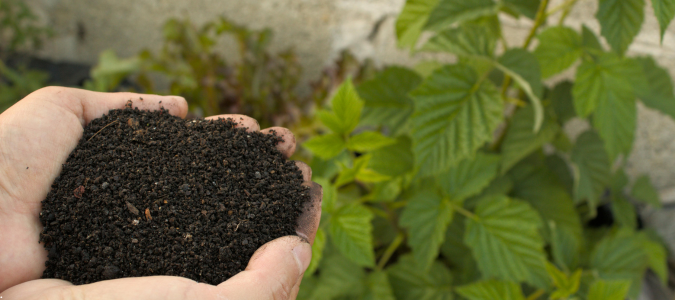
Adding organic matter like compost is the fastest and most sustainable way to improve soil. Chemical fertilizers may make your grass green fast, but they don’t rebuild the soil’s life.
J said, “we ask plants to give beauty, shade or fruit, but we rarely give anything back. Feeding the soil feeds the plants and the whole ecosystem.”
Organic matter works like a sponge, holding water and nutrients, helping roots grow deep and keeping your lawn healthy even in dry periods.

What Are Common Signs of Infertile Soil?
Signs that your soil needs help:
- Thin, patchy or yellow grass
- Standing water after rain
- Lots of weeds or moss
- Dry, brittle patches
If the soil is clumpy or hard, it may need organic material. A professional can recommend the right treatment for your lawn.
Common Soil Problems & What They Mean
What Our Customers Say
“My most recent experience with ABC Home & Commercial Services was very good from start to finish. The entire team was professional. They kept me informed of when the service was being performed, reminders, and when I could expect the technician. They did a great job and did a really thorough job with the aeration and compost covering.”
— Bryan B.
Can You Put Too Much Nitrogen in Soil?
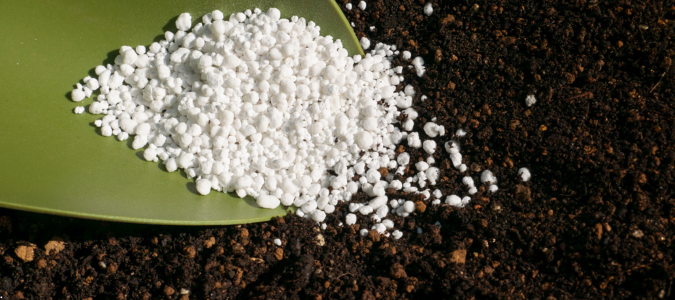
Yes, you can add too much nitrogen to soil. Nitrogen is essential for green grass, but too much can burn your lawn, harm soil microbes and make plants weaker.
Common signs of too much nitrogen:
- Rapid, weak leafy growth
- Brown or yellow leaf tips (known as fertilizer burn)
- Very few flowers
- Crusty soil or chemical smell
Flush the area with water if nitrogen is too high. If it doesn’t recover, a professional can fix the balance and can make your lawn green and thick.
Building Better Soil, Season After Season
Good soil takes time. Every time you aerate, compost, mulch or feed your lawn, you help it grow stronger.
If your lawn still looks thin or patchy, a local expert can assess your soil, find any problems and make a plan that balances biology and nutrients for a healthy yard.
Frequently Asked Questions About Soil Quality
How do I know if my soil is the problem with my lawn?
How long does it take to improve soil?
How often should I add compost to my lawn?
Leave Soil Care to ABC’s Lawn Care Pros
Healthy soil doesn’t happen overnight. If you’re tired of dealing with thin, patchy grass or hard, compacted soil, let the experts help. ABC Home & Commercial Services has been helping Texas homeowners grow green, healthy lawns for more than 75 years.
Our lawn specialists can assess your soil, find any problems and build a plan that gets your yard back on track, without you spending your weekends doing the hard work.