Texas lawns commonly face pests like chinch bugs, grubs, armyworms, fire ants and sod webworms. Look for irregular patches, chewed blades, soil mounds or lifted turf. Early detection and proper lawn care help, but often, professional help is needed.
Have pests taken over your Texas lawn? Thanks to the Lone Star State’s humid and warm climate, Texas lawns can be hotspots for lawn pests like grubs, chinch bugs, armyworms, fire ants and other insects that can cause significant damage.
As a homeowner, it’s important to learn how to identify pest damage so you can control it as early as possible. This guide, developed by ABC’s certified lawn care professionals, covers how to identify, prevent and control the most common lawn pests across Texas landscapes.
“Grubs feed on the roots of grass,” says J Zambo. “So when you go to pull on the dead areas, you’re literally going to pull patches, clumps of grass up, and you can almost roll it like a carpet because they’ve eliminated all the roots, so there’s nothing holding it to the soil.”
J Zambo is the Lawn & Tree Division Manager at ABC Home & Commercial Services and has over 20 years of experience. He is an ISA Certified Arborist and ISA Qualified Tree Risk Assessor.
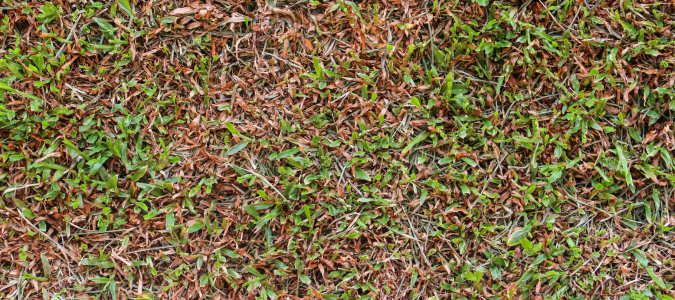
How to Know if You Have Lawn Pests
Sometimes it’s difficult to distinguish between lawn pest damage and other common lawn issues, such as diseases, fungus or stressors like droughts. To determine the cause of the damage, you’ll need to take a closer look at your grass.
Notice the texture, pattern and location of the damage. Damage from stressors like droughts or fungus typically appears in a uniform pattern, such as rings of discoloration.
Lawn pest damage, on the other hand, usually appears in irregular patterns. You may notice visible signs of chewing, burrowing or mounding. The most obvious giveaway is seeing the pests themselves.
Digging into your soil can also help you identify lawn pest damage. If your grass’s roots are weakened and damaged, pests could be the culprit. Pulling up the root may even expose the pest’s larvae.
Lawn Damage: Pest, Disease, or Nutrient Issue?
The Most Common Lawn Pests
The most common lawn pests in Texas include:
Keep reading to learn how to identify, prevent and control each of these pests.
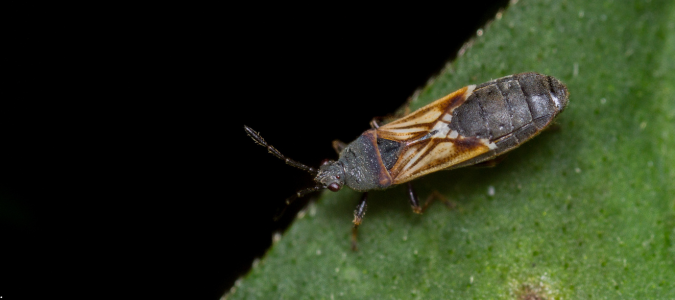
Chinch Bugs
Like most Texas lawn pests, chinch bugs thrive in hot, humid conditions. They are particularly attracted to St. Augustine grass, which thrives in Texas. These pests are known for sucking sap from the grass blades and injecting them with a toxin that causes them to turn yellow and die.
Signs of Damage
- Yellow patches that spread outward (despite consistent watering)
- Dry or wilted grass
- Tiny black and white insects around the soil line
Prevention and Control
- Maintain proper irrigation
- Apply a targeted insecticide treatment
- Maintain good watering and mowing habits
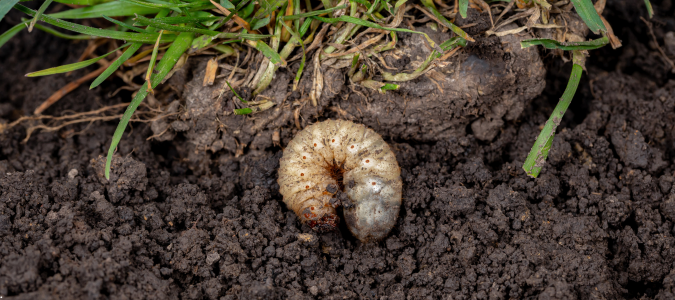
Grubs
Grubs are the larvae of June beetles. What do grubs eat? They feed on the grass roots beneath the surface of your lawn. They may be small, but these pests can cause significant damage.
Signs of Damage
- Grass easily lifts from the soil (a sign of root damage)
- Pulling up grass reveals C-shaped bugs
- Brown patches that develop despite consistent watering
- Increased bird or animal activity digging for grubs
Prevention and Control
- Apply a preventative grub treatment in spring
- Work with a lawn care professional to treat grubs
- Restore roots with proper fertilization and watering after treatment
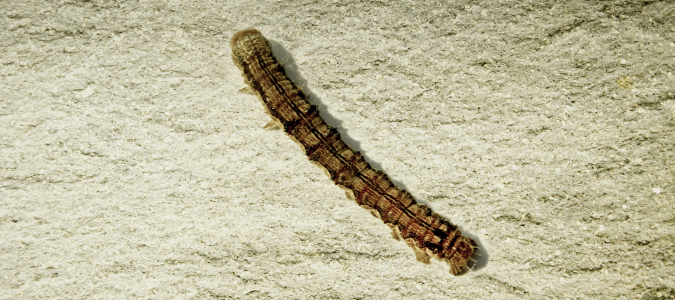
Armyworms
Armyworms are seasonal invaders that often show up after a heavy rainfall. These caterpillars are most common in the late summer and early fall months. They get their name from moving in large groups, or armies, across lawns, chewing grass blades as they go.
Signs of Damage
- Brown or thin patches of grass that develop rapidly
- Ragged or chewed grass blades near the soil surface
- Small green, brown or striped caterpillars seen in early morning or evening
Prevention and Control
- Mow your lawn regularly to catch damage early
- Apply professional treatment
- Water and fertilize after treatment to help grass recover
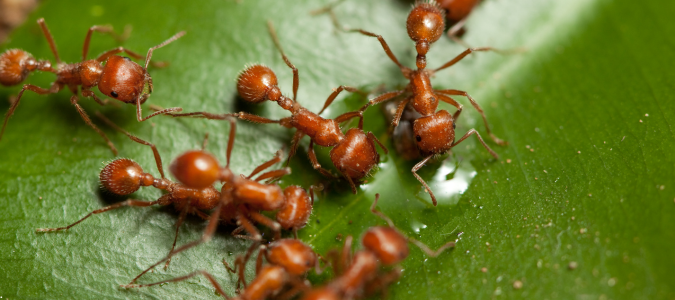
Fire Ants
Fire ants are pests known for building large soil mounds across Texas lawns. While these pests do not cause direct damage to your lawn, they are not insects that you want around. When disturbed, they can deliver uncomfortable stings.
Signs of Damage
- Large, dome-shaped mounds with no visible opening
- Red ants near sidewalks, driveways and gardens
- Painful stings when disturbed
Prevention and Control
- Do not disturb mounds
- Work with a professional to treat fire ants
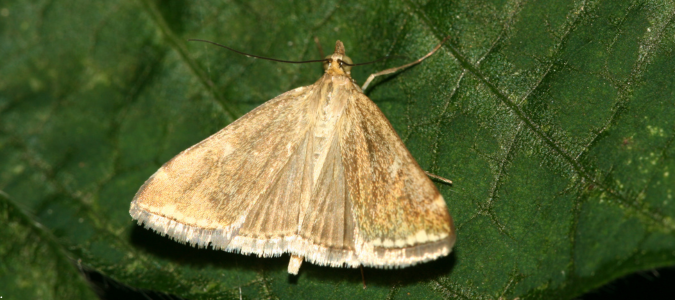
Sod Webworms
Like grubs, sod webworms are actually the larvae of another pest: small lawn moths. These larvae feed on grass blades overnight, and they thrive in the warm Texas climate. Sod webworms are particularly attracted to shaded and damaged areas, so maintaining a proper lawn care routine can go a long way in preventing an infestation.
Signs of Damage
- Thin, ragged patches of chewed grass
- Silken tunnels or webbing in the thatch layer
- Increased moth activity
Prevention and Control
- Aerate and dethatch your lawn to reduce thatch buildup
- Maintain proper irrigation
- Work with a lawn care professional
If you spot any of these pests or signs of their damage in your lawn, do not hesitate to reach out to a lawn care professional. Early detection is key to keeping your lawn healthy. Professional treatments are the best way to treat lawn pests.
Preventing Lawn Pest Problems Before They Start
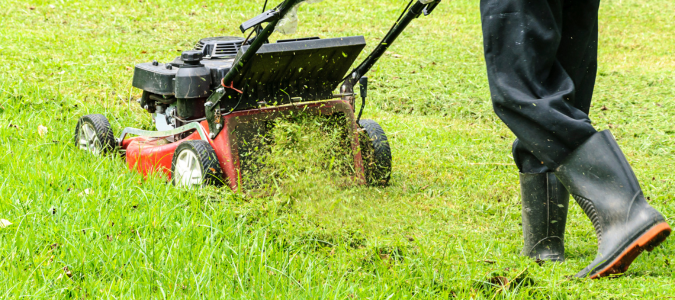
A proper lawn maintenance routine can help prevent lawn pest problems before they start. For example, aerating your lawn regularly and maintaining a proper mowing height can make it hard for pests to establish themselves.
Next, avoid over-fertilizing, as this can attract pests like chinch bugs. Watering your lawn deeply but infrequently can also discourage lawn pest activity.
To develop a lawn care schedule that prevents pest damage, work with a local lawn care service. They can provide personalized tips to maintain a beautiful lawn and prevent pests.
DIY Versus Professional Pest Control
If you catch certain lawn pests early enough, you may be able to treat them with a DIY treatment. By simply improving your lawn care habits, you can stop small outbreaks of lawn pests on your own.
However, it’s important to know when it’s time to call in the experts. If you notice the lawn damage, such as discolored spots, is spreading quickly, it’s time to call in the professionals. It’s also best to call in the pros when the roots have become damaged.
At ABC Home & Commercial Services, our experienced specialists identify and treat Texas lawn pests.
Frequently Asked Questions About Texas Lawn Pests
How do I tell lawn fungus from pest damage?
What pests damage St. Augustine grass the most?
Can I help prevent pests with better watering habits?
Seasonal Pest Calendar For Texas Lawns
Use this chart to understand the peak seasons for certain lawn pests. However, keep in mind that with Texas’s warm climate, you could see pest activity any time of year.
Pest Activity by Season
Protecting Your Lawn Year-Round
Pest prevention is part of an overall healthy lawn strategy. To avoid as much damage as possible, it’s important to catch lawn pest infestations early. If you’re unsure about your lawn’s pest risk, a professional inspection or free lawn evaluation can give you clear answers.
A Healthy Lawn Starts Below the Surface
The best strategy for dealing with lawn pests is to detect them early and involve expert guidance.
A lawn care professional can identify which common Texas pest you’re dealing with and treat them. Then, they can help you restore your lawn with proper lawn care and maintenance, which includes monitoring for pests in the future.