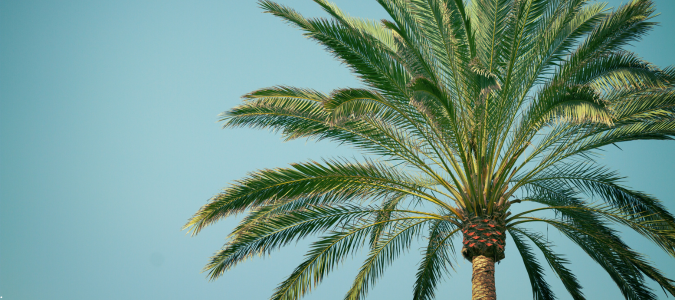
Palm trees are staples of many Texas landscapes, but they require a different approach to care than traditional shade trees. While palms can thrive in the Lone Star State, challenges like extreme heat, high winds and storm exposure make proper maintenance very important.
In this comprehensive guide, you’ll learn how to care for palm trees the right way in Texas, including how to water, fertilize and trim them.
This guide also includes expert insights from J Zambo. J is the Lawn & Tree Division Manager at ABC Home & Commercial Services and has over 20 years of experience. He is an ISA Certified Arborist and ISA Qualified Tree Risk Assessor.
Palm Tree Care Basics: What Every Palm Needs
There are two crucial aspects of caring for palm trees:
- sunlight requirements
- soil requirements
When these environmental needs are met, palm trees can thrive in Texas.
Sunlight Requirements
Most palm trees thrive in full sun; however, some handle partial shade well, especially when they’re young.
Full sun palm trees need six to eight hours of direct sunlight per day to grow healthy, sturdy trunks and full fronds. Partial shade palm trees do well with morning light or filtered sunlight. However, they often grow slower than palms that get full sun.
If palm trees don’t get enough sunlight, they’ll display the following symptoms:
- Thin and possibly elongated trunks
- Drooping or sparse fronds
- Yellowing or pale leaves
- Stalled or slowed growth
If your palm tree looks weak or stretched out, more sunlight is usually the remedy.
Soil Requirements
Palm trees appreciate consistent moisture. However, they need well draining soil to avoid root rot and nutrient deficiencies. Texas soil can provide challenges for palm trees since they don’t thrive in standing water.
For example, many parts of Texas have clay or compacted soil, which do not drain well. These soils trap moisture around the palm tree roots, which limits oxygen flow and reduces nutrient uptake.
To improve soil conditions for palm trees, try these solutions:
- Improve soil drainage by adding sand, compost or organic matter
- Don’t plant your palm trees in low areas that collect water
- Before planting, loosen compacted soil
- In areas with consistent drainage issues, use raised beds
Improving your soil structure before planting your palm tree is the best route for success. From there, you can maintain the soil structure over time to ensure the long-term health of your palm tree.

How Often Should You Water Palm Trees?
Palm trees need consistent moisture, but it’s important to provide the right amount of water. Too much or too little can put stress on palm trees, which can lead to disease and decline. How often you water your palm trees depends on their growth stage, species type and seasonal conditions.
Watering Guidelines by Growth Stage
Palm Tree Watering Guidelines
Rather than frequent and shallow watering, all types of palm trees benefit from deep watering that reaches the root system.
Signs of Water Stress
While watering palm trees correctly may seem tricky, the good news is that palm trees show early signs of water stress before any serious damage occurs. As long as you act quickly and correct your watering habits, you can usually prevent long-term issues.
Palm Tree Watering Issues and Warning Signs
Seasonal Watering Tips for Texas
During the summertime, it’s important to increase watering frequency when the temperature is consistently above 95 degrees. To reduce water evaporation, water early in the morning. However, check the soil moisture before you water, as heat doesn’t necessarily mean that the roots are dried out
In the winter months, reduce your watering frequency and only water during dry periods when the soil is completely thawed. To avoid root rot, avoid watering your palm trees before a freeze.
Fertilizing Palm Trees for Healthy Growth
Palm trees have different nutritional needs than most landscape plants, which is why using the right fertilizer matters.
According to J Zambo,
“Palm trees in general have specific nutritional needs. They use potassium at a much higher rate than your woody trees and plants, and they also have really specific micronutrient requirements, like boron and manganese, some things that you wouldn’t find in your normal over-the-counter fertilizer.”
Zambo also notes that soil type plays a role in how often palms need supplemental nutrients.
“In general, any place where there are sandy soils, which Corpus does have sandy soils, you’re going to need to supplement that nutrition.”
This makes palm-specific fertilization especially important for many Texas homeowners.
Why Palm-Specific Fertilization Matters
There are several key differences between palm fertilizer and regular lawn fertilizer. First, lawn fertilizer contains more nitrogen, which can cause palm trees to grow faster but weaker. Palm fertilizers balance potassium levels with other micronutrients to ensure sustainable growth.
Palm fertilizers also contain manganese and magnesium, which palms need. Conventional lawn fertilizers usually lack these nutrients.
Fertilizing Schedule for Texas Palms
The best time to fertilize palm trees in Texas is during the spring months, once the weather is consistently warm. You can continue fertilizing through the late summer or early fall, but you should avoid fertilizing during the winter months.
How often should you fertilize palm trees in Texas? Most palms benefit from two to four fertilizations per year. However, sandy soils may need more frequent applications. Make sure you use a slow-release fertilizer for steady nutrient delivery.
Common Nutrient Deficiency Symptoms
These symptoms indicate that your palm trees need nutritional support:
- Yellowing fronds
- Leaf tip burn
- Weak or stunted new growth
If these issues persist, improve your soil drainage and fertilization habits to increase nutrient uptake.
Palm Tree Trimming and Pruning: Best Practices
Timing is especially important when it comes to pruning palm trees.
According to J Zambo,
“The best time to prune is when the palm tree is going into seed. You want to remove that seed pod.”
He explains that there is a narrow window for this type of pruning.
“If you let the seed pod go too long, then they open up and it becomes a mess. If you cut it too early, there’s a chance that the palm tree might put out a second set of seeds.”
Because of this, Zambo says the best time to prune palms is when they’re in seed, which is usually about two times a year for the Corpus Christi area.
There’s a difference between tree pruning versus trimming. Palm fronds should only be trimmed when they’re dead. However, removing seed pods during the growing season is a helpful pruning tactic to improve your palm tree’s resilience. Avoid removing green fronds and healthy upper canopy growth.
It can be tricky for Texas homeowners to get palm tree pruning right, so it’s best to leave the job up to the professionals. To avoid causing nutrient deficiencies and structural weakness, ask a specialist to prune your palm trees for you. They can advise you on the best season to prune trees and other care tips.
What to Do If a Palm Tree Has Been Overpruned
Overpruning is one of the most damaging mistakes homeowners can make with palm trees.
According to J Zambo,
“If you remove all the fronds up to the juvenile spear, you definitely overpruned it and are likely going to kill the tree.”
He explains that palms rely on their fronds to produce energy.
“If there’s nothing on the tree to absorb sunlight for photosynthesis, the tree is pretty much a goner. That’s way over pruning.”
Understanding the warning signs and taking quick action can improve your palm tree’s chances of recovery.
How to Tell If Your Palm Tree Has Been Overpruned
- Excessive removal of green fronds
- Your palm tree has a “hurricane cut” or feather-duster appearance
- There are fewer than eight to twelve healthy fronds remaining
- The trunk is suddenly exposed to direct sunlight
Why Overpruning Harms Palm Trees
Risks of overpruning include:
- Nutrient deficiencies
- Increased pest and disease susceptibility
- Slower growth
- Permanent damage
- Sunburn on exposed trunks
What To Do if You Have Overpruned
- Stop all additional trimming and do not remove remaining green fronds
- Maintain proper watering to avoid drought stress
- Do not overwater
- Apply a palm-specific fertilizer and avoid high-nitrogen quick-release products
How Long Does It Take an Overpruned Palm to Recover?
Recovery time depends on the palm tree species, severity of pruning and overall tree health. Palm trees can typically recover from light overpruning in several months. Severe overpruning requires one or two growing seasons to fully recover, and some damage may be permanent.
Can an Overpruned Palm Tree Die?
Palm tree health issues are often tied to nutrition, but more serious problems can signal that a palm is declining or at risk of dying
According to J Zambo,
“It’s usually related to nutrient deficiencies if it’s unhealthy. There are some clear visible signs that you’ll notice on the leaflets themselves.”
He explains that the entire frond is a leaf, including the stem, the petiole and the leaf itself, which means changes in color, texture or shape along the frond can point to underlying problems.
“If that’s stunted, discolored or just non-existent, you have some kind of bud rot and most likely the palm is going to die.”
Overpruned palm trees can also decline or die. It’s more likely to happen if:
- the central growing point is damaged
- the palm experiences freeze or drought stress
- secondary pests or diseases develop
Essentially, palm fronds restore the tree’s energy and nutrients, so removing too many weakens the tree’s ability to recover.
Protecting Palm Trees From Texas Weather Extremes
Texas weather can be unpredictable, from coastal humidity and sandy soils to sudden cold snaps and tropical storms.
According to J Zambo,
“Most palm trees in the Corpus area are varieties that have been selected to thrive in those conditions. So the environment typically doesn’t negatively impact their health because they’ve been chosen for that environment.”
However, soil conditions can still affect long-term palm health.
“A biannual fertilization program for palms is always a good idea, especially if you’re in a sandy area. Soil conditions just can’t hold nutrients, so we have to supplement it.”
Providing consistent nutrition helps palms better withstand temperature swings, heavy rain and seasonal stress.
The best practices to protect palm trees from cold weather include:
- Mulching to insulate the root and retain warmth in the soil
- Covering the crown and trunk of the palm with frost cloths during freezes
- Water the palm deeply 24 to 48 hours before a freeze to stabilize the soil temperature
Follow these practices to protect palm trees from storms and hurricanes:
- Use structural pruning (not overpruning) to reduce wind resistance
- Only remove dead or damaged fronds
- Conduct a post-storm inspection to check for broken or hanging fronds, damage to the crown or any leaning
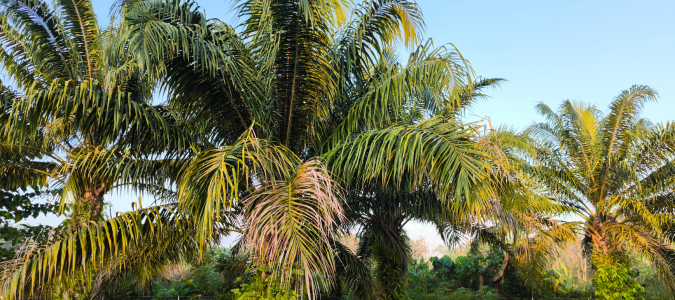
DIY Palm Tree Care Versus Hiring a Professional
There are some aspects of palm tree care that homeowners can handle themselves, while more complicated tasks should be left to the professionals. Use the following checklists as your guide.
What Homeowners Can Handle
-
Basic watering
-
Monitoring palm health
Light maintenance
When Professional Care Is Recommended
-
Maintaining tall palms
-
Disease diagnosis
Major trimming or recovery after damage
Do not hesitate to consult with a lawn care professional to protect the health of your palm tree.
Maintain Healthy Palm Trees in Texas With Professional Help
Want the best for your Texas palm trees? It’s important to maintain proper watering and fertilization schedules. Additionally, ensuring that your soil is well-draining and avoiding overpruning can help you sidestep common palm tree pitfalls.
For the best results, schedule a professional tree assessment with a local arborist today.