Artificial turf offers a consistently green, low-maintenance lawn, but it comes with considerations like heat, upfront cost and proper installation. This guide walks you through the pros, cons and what to expect before making the switch.
Every homeowner wants a lush backyard where they can sit back and relax or watch their kids play. However, there are a lot of issues that can arise from a traditional lawn. For one, maintenance and caring for your lawn takes consistent time and energy. Even when caring for your lawn properly, you can still find yourself dealing with disease or insects. Also, water conservation has become increasingly important, and what was once a beautiful green patch of lawn may now be scratchy and brown.
For all these reasons, you may have considered artificial turf. Artificial turf is great because it looks beautiful year-round, saves water and it has much fewer maintenance needs. That said, there are downsides to consider as well.
For a better understanding of the reasons why a homeowner should or should not get artificial turf, we interviewed J Zambo. J is the Lawn & Tree Division Manager at ABC Home & Commercial Services and has over 20 years of experience. He is an ISA Certified Arborist and ISA Qualified Tree Risk Assessor.
Table of Contents
Pros of Artificial Turf
If you want a lush, bright green grass without the burden of maintaining it, artificial turf may be for you. Aside from looking great, artificial turf comes with several perks that some homeowners may not know about, some of which include:
- Low-maintenance upkeep
- Always green appearance
- Long life span
- Get more use out of your yard
- Water conservation
Let’s dive into these a bit more.
Low-Maintainance Upkeep
The biggest pro of artificial turf is that it doesn’t require much maintenance. There’s no mowing, watering or fertilizing required. You also don’t have to worry about brown patches, common grass diseases or insects that can take over your lawn.
To maintain artificial turf, simply rinse and brush it as needed to keep it clean and looking its best. If you have pets, J suggests taking extra care to clean areas that your pets may use to go to the bathroom.
Always Green Appearance
Natural grass can fade, dry out and die under certain conditions. For example, it can contract a disease that spreads brown patches throughout your lawn. Depending on the climate you live in, your grass may die every year in the winter.
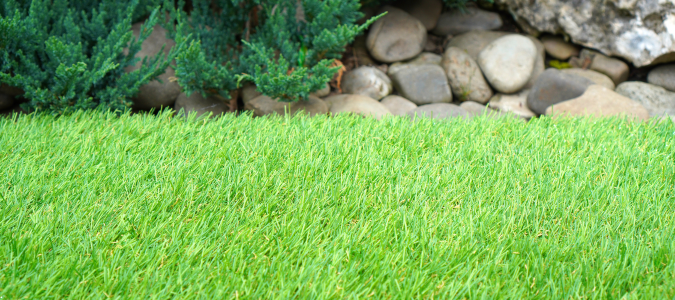
With artificial turf, you can have lush, green-looking grass all year round.
Long Life Span
Artificial turf can last upwards of 15 to 20 years when it’s installed correctly. Since it’s made of durable materials, it can withstand years of foot traffic, pet activity and various weather conditions. Most artificial turfs are also made with UV-resistant material, which keeps them from fading due to sun exposure over time.
Get More Use Out of Your Lawn
When we get thunderstorms, it can make our yards practically unusable. If your kids or pets go out to play, they’re guaranteed to bring some of the mess into your home. With artificial turf, there is no downtime between a rainstorm and letting your kids play.
Similarly, J says you don’t have to deal with lawn issues, like uneven spots, disease or insects. You’ll have a perfectly green, smooth lawn all year round!
Water Conservation
Artificial turf requires much less water than natural grass, which is not only good for the environment but can save money on your water bill over time. This benefit is especially helpful for Central Texas homeowners who live in areas with water restrictions.
For more tips on water conservation in your home, check out this water conservation checklist from Texas A&M.
Cons of Artificial Turf
While there are several perks of artificial turf, there are also some drawbacks. Before installing artificial turf, it’s important to understand the cons. Some of these include:
- Higher upfront costs
- Heat absorption
- Vulnerable to damage
- Potential damage to the surrounding greenery
Let’s dive into each of these.
Higher Upfront Costs
Price is the number one factor that holds homeowners back from installing artificial turf. For a good quality artificial turf that will last for decades, it will be an investment up front. However, most homeowners find that their turf pays for itself over time, especially since you don’t have to spend money on maintaining and watering it.
Heat Absorption
Artificial turf absorbs and retains heat, so the surface can become hot during Central Texas summers, especially on bare feet. It can become uncomfortable if the turf is in direct sunlight for most of the day.
Vulnerable to Damage
While artificial turf is made with durable materials and meant to last for several years, it’s still vulnerable to damage that could shorten its lifespan. For example, sharp objects like high heels could poke holes in the turf. Pet waste or improper use can also cause harm.
Potential Damage to the Surrounding Greenery
When you water your grass, the surrounding greenery, like trees, often absorbs some of that water as well. Once you transition to artificial turf, those trees won’t be receiving the same amount of water that they’re used to. According to J, it can be a real shock to the tree to go from regular watering to no watering at all.
Fortunately, you can avoid this issue by adding irrigation or by keeping your current irrigation just to supplement on hot, sunny days.
The Importance of Proper Installation
The good news is that most drawbacks of artificial turf can be avoided when it is correctly installed. To achieve a long lifespan, artificial turf requires a proper base and drainage system.
For the best results, it’s best to leave artificial turf installation up to the professionals. They can advise you on the different types of artificial turf and help you determine which one is right for you based on your needs and desires.
How Often Should I Wash Artificial Grass?
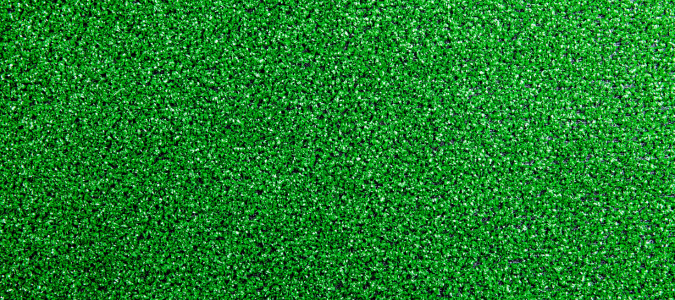
What does it take to keep artificial grass clean so it lasts for years? Luckily, cleaning turf is as simple as rinsing it with a hose.
Homeowners are advised to wash their artificial turf once a week to clear away any debris and dirt. Otherwise, pollen, dust, leaves and other debris can collect over time and create a mess that’s harder to clean. Rinsing your artificial turf keeps it bright and odor-free.
In certain situations, you may need to clean your artificial grass more often or give it a deeper cleaning. For example, if your turf gets a ton of foot traffic or if you have pets, rinsing it a few times a week can go a long way.
You can also give your artificial turf a spot treatment in certain areas that need more attention. Simply mix a mild dish soap with warm water and use a soft-bristle brush to scrub away the mess. To neutralize odors, sprinkle baking soda over the area before giving it another rinse.
For more help with maintaining artificial turf, call in a local lawn care professional.
What Is the Best Time of Year To Lay Turf?
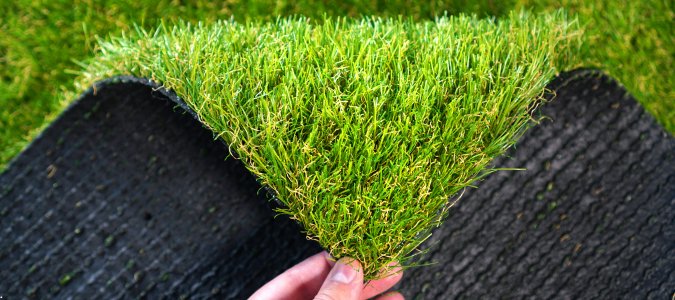
When it comes to installing artificial turf, timing is important. While it can technically be installed at any time of year, installing artificial turf when the weather is warm yields the best results.
When the weather is fairly warm, it helps the adhesives activate properly, which ensures a smooth and strong installation. It also helps the turf lie as flat as possible.
On the other hand, installing artificial turf in cold weather can compromise the adhesive, making the turf stiff and harder to work with.
Why Spring and Early Fall Work Best
The most popular time to install artificial turf is during the spring months. It’s warm enough to create a strong bond, and it helps you prepare your outdoor space for the upcoming summer months.
If the springtime is not ideal for you, another great time to install artificial turf is in the early fall months. It’s still warm enough to ensure proper installation, and you’ll have a beautiful green lawn all through the winter months.
More than timing, the most important thing when it comes to installing artificial turf is that it’s done correctly. Working with a professional lawn care service is the best way to ensure great results that you’ll love for years to come.
How To Prepare a Yard for Fake Grass
Before the professionals can install artificial turf or fake grass, they need to prepare your lawn. These steps include:
Step 1: Clear the area and remove existing grass
Step 2: Establish a base and drainage system
Step 3: Install a weed barrier
Step 4: Lay the artificial turf
Step 1: Clear the Area and Remove Existing Grass
First, your lawn care experts will remove all vegetation from the area where you want to install artificial turf. This includes weeds, roots and grass.
Next, they will create a smooth surface by filling in holes and smoothing elevated areas. Turf needs to be installed on a level and flat surface.
Step 2: Establish a Base and Drainage System
To ensure that your artificial grass stays level over the years, the lawn care experts will lay a base. Most installers use a mix of crushed stone, gravel or decomposed granite. They spread it evenly across the clear area before using a tamper to press it down until it’s firm and smooth. Not only will this help your turf last longer, but it will also make it more comfortable to walk on.
Next, they will make sure your turf has a proper drainage system so that water runs off instead of pooling.
Step 3: Install a Weed Barrier
To prevent weeds from growing under your turf and creating an uneven surface, your pros will install a weed barrier before laying the turf. They will roll out a weed membrane fabric over the base level and use landscape staples to secure it in place.
Step 4: Lay the Artificial Turf
Finally, now that your lawn is prepped, it’s time to lay the artificial turf. Your pros will roll out the turf and let it lie flat for an hour or two before installing it. This will help it relax and make it easier to lay it flatly over your prepped area.
Once it’s flat, they will use a utility knife to trim it to fit your surface space and shape.
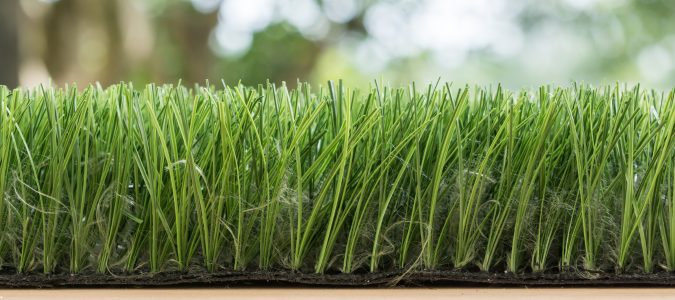
After fitting the turf, your lawn care experts will secure it in place with lawn nails or staples every six to eight inches. Finally, they add infill, such as crumb rubber or silica sand, to the turf fibers to help them stand up straight.
Frequently Asked Questions About Artificial Turf
Is artificial turf worth it for Texas homeowners?
What should I do to maintain artificial turf?
When is the best time of year to install artificial turf?
Leave Installation Up to the Pros
The beauty of artificial turf is that it’s low maintenance and looks great all year long. For the best results that don’t require you to lift a finger, contact ABC Home & Commercial Services. We are a family-owned business, and we have been helping homeowners in Texas for over 75 years.