Key Takeaways
- Mud tubes on foundation walls are the clearest sign of subterranean termite activity—check shaded areas and near plumbing penetrations.
- Common signs of termites in your house include hollow-sounding wood, stuck doors/windows, and unexplained wall damage—all can indicate hidden infestations.
- Houston’s climate supports year-round termite activity—Eastern subterranean, Formosan, and drywood termites all threaten local homes.
- Swarmers (winged termites) emerging indoors signal that a mature colony already exists in or near your home.
- Annual professional inspections remain the most effective prevention—catching infestations early saves thousands in repair costs.
Here’s a number that should make every Houston homeowner pay attention: termites cause more than $5 billion in property damage across the United States every year, according to the National Pest Management Association. And Texas? The state sits right in the thick of it. The warm, humid climate creates the perfect breeding ground for these wood-destroying insects, and Houston homes face threats from multiple termite species year-round.
The frustrating part is that termites rarely announce themselves. They work silently, hidden inside walls and beneath floors, sometimes for years before homeowners notice anything wrong. By then, the damage can run into thousands of dollars. But catching an infestation early changes everything. Knowing what to look for—and where to look—can save your home and your wallet.
This guide covers the signs of termites Houston homeowners need to recognize, the termite species most likely to target local properties, and what to do if you suspect these pests have moved in. Whether you’re buying a new home and need pre-construction termite treatment, haven’t had an inspection in a while, or just noticed something suspicious, this information could prevent a costly surprise down the road.
Why Houston Homes Face Higher Termite Risk
Geography matters when it comes to termites. Houston sits in what pest control professionals call the “termite belt”—a region stretching across the southern United States where termite pressure is consistently high. The subtropical climate means termites stay active longer than they do in cooler states, and Houston’s humidity levels give them exactly the moisture they need to thrive.
Then there’s the soil. The heavy clay found throughout the Greater Houston area retains moisture exceptionally well, creating ideal conditions for subterranean termites to build their underground colonies. These colonies can house millions of individuals, all working around the clock to find food sources, often including wood from nearby homes.
Houston’s building styles add another layer of vulnerability. Many older homes in neighborhoods like the Heights, Montrose, and areas inside the Loop feature pier-and-beam construction. This design creates crawl spaces that allow termites to travel undetected from soil to structure. Even newer slab foundations aren’t immune; termites exploit tiny cracks, expansion joints, and utility penetrations to gain entry.
What does this mean practically? Houston homeowners should assume termite pressure is constant and plan accordingly. Professional termite control isn’t optional here—it’s essential maintenance, like changing your air filters or checking your roof after a storm.
Types of Termites Found in Houston
Not all termites behave the same way, and knowing which species you’re dealing with helps determine the best treatment approach. Houston homeowners may encounter three main types, each with distinct habits and warning signs.
Eastern Subterranean Termites
These are the most common termites in the Houston area and throughout Texas. Eastern subterranean termites live in underground colonies and must maintain contact with soil moisture to survive. They build distinctive mud tubes—pencil-width tunnels made of soil, saliva, and feces—to travel between their colony and food sources above ground.
Termite swarm season in Houston typically runs from February through May for Eastern subterranean termites. If you want to understand why termites swarm in Houston specifically, it comes down to Houston’s warm temperatures and high humidity, creating perfect conditions. Spotting winged termites emerging indoors during these months strongly suggests an established colony nearby—possibly inside your home’s structure.
Formosan Subterranean Termites
Sometimes called “super termites,” Formosan termites are the most aggressive and destructive species in Texas. Originally from East Asia, they’ve established significant populations in Houston and other Gulf Coast cities. A single Formosan colony can contain several million individuals—far more than native species—and they can cause severe structural damage in just a few months.
What makes Formosan termites particularly concerning is their ability to build above-ground nests called cartons. These structures, made of chewed wood and fecal material, can hold moisture independently, allowing colonies to establish themselves in areas without direct soil contact. This means upper floors and attics can be vulnerable, not just ground-level structures. The Formosan swarm season runs from April through July.
Drywood Termites
Unlike their subterranean cousins, drywood termites don’t need soil contact. They live entirely within the wood they consume, extracting moisture directly from the material. This means they can infest furniture, picture frames, and wood brought into the home—not just structural lumber. For treatment options, see how to get rid of drywood termites.
Drywood infestations tend to develop more slowly than subterranean ones, but they can still cause significant damage over time. The telltale sign of drywood termites is frass—tiny, pellet-shaped droppings that they push out of small “kick holes” in the wood. The National Pest Management Association notes that finding small piles of what looks like coarse sawdust near wooden items often points to drywood termite activity.
Signs of Termites in Your House: What to Look for Inside
Spotting termites early often comes down to recognizing subtle changes. If you’re wondering how to tell if you have termites, start with these indoor signs of termites every Houston homeowner should know.
Hollow-Sounding Wood
Termites eat wood from the inside out, leaving a thin outer shell intact while hollowing out the interior. Tap on wooden surfaces like door frames, window trim, and baseboards with the handle of a screwdriver. Solid wood produces a dull thud; termite-damaged wood sounds distinctly hollow or papery. This simple test takes just minutes and can reveal damage hidden from view.
Stuck Doors and Windows
When termites tunnel through door and window frames, the wood can warp from structural compromise and moisture exposure. If doors or windows that previously opened smoothly suddenly stick or won’t close properly—and humidity isn’t obviously the cause—termite damage might be responsible. This is especially worth investigating in older Houston homes with wooden frames.
Visible Damage to Walls and Ceilings
Termites don’t limit themselves to baseboards. Subterranean termites can work their way up through wall studs, causing damage that eventually shows through drywall. Look for unexplained cracks, bubbling paint, or discolored patches on walls and ceilings. Sometimes the drywall will appear to sag or bulge where termites have consumed the wood behind it. If you’re unsure what you’re looking at, learning how to tell if you have termites in your walls can help you make that determination.
Termite Droppings (Frass)
Drywood termites produce small, six-sided pellets as they digest wood. These droppings, called frass, get pushed out of galleries through tiny holes. If you find small piles of what resembles coarse pepper or sand near wooden furniture, windowsills, or along baseboards, drywood termites may have moved in. The pellets are typically the same color as the wood being consumed.
Swarmers and Discarded Wings
Finding winged termites—or their shed wings—inside your home is a serious warning sign. Swarmers are reproductive termites that leave established colonies to start new ones. If they’re emerging indoors, it means a mature colony exists somewhere in or very close to your home. Wings found near windows, doors, or light fixtures often indicate a recent swarm. Understanding how long termites swarm helps you know what to expect during peak season.
Many homeowners confuse termite swarmers with flying ants. The differences matter: termites have straight antennae, equal-length wings, and thick waists. Flying ants have bent antennae, unequal wings, and pinched waists.
Squeaky or Buckling Floors
Subterranean termites often target subfloors before working their way up. As the structural integrity of floor joists and subflooring becomes compromised, you might notice increased squeaking, soft spots when walking, or visible buckling in hardwood or laminate flooring. These symptoms can mimic water damage, so professional inspection is important for accurate diagnosis.
Signs of Termites Outside Your Home
Exterior inspections are just as important as checking inside. Signs of termites often appear around a property before these pests move into the structure itself.
Mud Tubes on Foundation Walls
This is the clearest sign of subterranean termite activity. Mud tubes are protective tunnels, roughly pencil-width, that termites build to travel between soil and above-ground food sources. Check your foundation walls—especially in shaded areas, near plumbing penetrations, and where AC units or landscaping might obscure the view. Active tubes contain live termites; break off a small section and check for movement.
Mud tubes can also appear inside garages, crawl spaces, and along the interior side of foundation walls. Houston’s pier-and-beam homes are particularly vulnerable since the crawl space provides easy access points.
Damaged Wood Around the Property
Wooden fences, decks, pergolas, and landscaping timbers can all attract termites. Once established nearby, colonies have a clear path to your home. Inspect any wood structures in contact with or close to the ground. Look for the same signs you’d check inside: hollow sounds when tapped, visible damage, or wood that crumbles easily when probed.
Mulch and Landscape Beds
Wood mulch doesn’t cause termite infestations, but it can make your property more attractive to termites already in the area. The moisture retention and organic material create conditions that termites find appealing. If you use mulch, keep it at least 6 inches away from your foundation and never let it pile up against siding or wooden structures.
Outdoor Swarms
Seeing termite swarmers outside, particularly near your home’s foundation or any wooden structures, indicates active colonies nearby. While outdoor swarms don’t guarantee your home is infested, they’re a strong signal that professional inspection is warranted. The flying termites guide explains what to do if you spot them around your property.
How Termites Get Into Houston Homes
Understanding entry points helps you know where to look and what to address during prevention efforts.
Foundation Cracks and Expansion Joints
Subterranean termites need only a gap of 1/32 of an inch to enter a structure. Houston’s expansive clay soil causes foundations to shift and settle, creating cracks that provide perfect entry points. Expansion joints between concrete sections are another common access route. Regular foundation inspection should be part of any homeowner’s maintenance routine.
Plumbing and Utility Penetrations
Any point where pipes, wires, or conduits pass through the foundation creates a potential entry point. The small gaps around these penetrations often go unnoticed and unsealed. Add the moisture that can collect around plumbing lines, and you’ve created an ideal pathway for termites seeking both water and access to wood above.
Wood-to-Ground Contact
Wherever wood touches soil, termites have direct access without needing to build mud tubes. Common examples include deck posts set directly in the ground, porch steps resting on soil, wooden siding that extends too close to grade, and fence posts adjacent to the house. Building codes typically require several inches of clearance between wood and soil, but older Houston homes often don’t meet current standards.
Preventing Termite Infestations in Houston
Prevention costs far less than treatment. These steps won’t guarantee you’ll never have termites, but they significantly reduce your risk. The EPA’s termite control guidance recommends a combination of moisture control, barrier maintenance, and regular inspections.
Control Moisture Around Your Foundation
Termites need moisture to survive. Fix any leaking faucets, irrigation systems, or AC condensate lines near your foundation. Make sure gutters and downspouts direct water away from the house—at least 3 to 4 feet from the foundation. Address any standing water issues in your yard, and ensure your landscaping slopes away from the structure.
Eliminate Wood-to-Ground Contact
Audit your property for any wood touching soil. Deck posts should sit on concrete footings, not buried in the ground. Porch steps should rest on concrete or gravel bases. Wooden siding should end at least 6 inches above grade. Fence posts near the house should be set in concrete. These modifications remove the direct pathways termites use to reach structural wood.
Maintain Foundation Clearance
Keep plants, mulch, and stored materials away from your foundation. Vegetation against the house traps moisture and obscures early signs of termite activity. You need clear sightlines to spot mud tubes before colonies become established. A minimum clearance of 2 feet is ideal, though even a foot makes inspection significantly easier.
Seal Entry Points
Caulk or seal any cracks in your foundation, gaps around utility penetrations, and expansion joints. While termites can eventually breach most sealants, these barriers slow them and make their entry points more visible through mud-tube construction. Knowing how to identify termite holes helps you spot potential entry points before they become bigger problems.
Ensure Proper Crawl Space Ventilation
If your Houston home has a pier-and-beam foundation, adequate crawl-space ventilation is essential. Proper airflow reduces moisture levels that attract termites. Check that foundation vents aren’t blocked by debris, landscaping, or stored items. Consider installing a vapor barrier over exposed soil to further reduce humidity.
Schedule Professional Inspections
Annual termite inspections by a licensed pest control professional are the single most effective prevention measure. Trained inspectors know where to look and what to look for. They can spot early signs that homeowners miss and recommend treatments before damage becomes severe. Many Houston pest control companies offer inspection as part of ongoing protection plans.
What to Do If You Suspect Termite Activity
Found something suspicious? Here’s how to proceed.
First, don’t panic. Even active infestations rarely cause immediate structural failure. Termites work slowly, so you have time to respond thoughtfully. That said, don’t wait months—the sooner you address the problem, the less damage occurs and the less treatment costs.
Document the termite damage signs you’ve found. Take photos of mud tubes, damaged wood, swarmers, or discarded wings. Note the location and any patterns—are signs concentrated in one area or spread throughout the house? This information helps professionals assess the situation more quickly. For guidance, see how to tell if termites are active to better understand what you’re seeing.
If you find swarmers, try to collect a few specimens. Place them in a sealed plastic bag or jar. Proper identification confirms whether you’re dealing with termites or look-alike insects. Even dead, dried specimens can be identified by a trained professional.
Contact a licensed termite control specialist for inspection. Avoid the temptation to spray store-bought pesticides on visible termites—this often scatters the colony without eliminating it and can complicate professional treatment. A thorough inspection will determine the extent of the problem and the best treatment approach.
Get multiple quotes if significant treatment is recommended. Reputable companies will provide detailed written estimates explaining what treatment involves, what guarantees are offered, and what follow-up is included. Don’t make decisions based purely on price—experience and reputation matter when protecting your largest investment.
Frequently Asked Questions
How quickly can termites damage a house?
A mature subterranean colony can eat about a pound of wood per day, according to pest control industry research. That translates to roughly a foot of 2×4 lumber every six months. Formosan termites work faster due to larger colony sizes. For more on termite biology and behavior, Texas A&M AgriLife Extension offers detailed resources. However, visible structural damage typically takes years to develop. The danger lies in not knowing termites are present—damage accumulates silently until something fails or you renovate and discover the problem.
Can I treat termites myself?
DIY termite control rarely succeeds for several reasons. Effective treatment requires professional-grade products not available to consumers, specialized equipment for proper application, and thorough knowledge of termite behavior. Store-bought sprays might kill visible termites, but they won’t reach the colony. Bait systems require precise placement and monitoring. The money saved on DIY treatment usually gets spent on professional remediation later—often after additional damage has occurred.
Are termites active in winter?
Yes, especially in Houston. The mild winters don’t get cold enough to significantly slow termite activity. Subterranean colonies simply move deeper into the soil during brief cold snaps, then resume normal activity when temperatures moderate. Heated homes provide consistent warmth that keeps termites feeding year-round. Don’t assume winter weather protects your home.
Can termites harm humans?
Termites don’t bite humans, spread diseases, or pose direct health threats. They’re entirely focused on consuming wood and other cellulose materials. The danger posed by termites is purely to your property. That said, severe infestations can compromise structural integrity to the point where floors, decks, or stairs become unsafe.
How can I tell if I have termites based on wood damage?
Termite damage has distinctive patterns. Subterranean termites eat along the grain, creating a layered, honeycomb appearance. You’ll often find mud or soil packed into the galleries. Drywood termites create smoother galleries that cut across the grain, with clean chambers and no mud. Water damage and rot, by contrast, cause wood to darken, soften uniformly, and often smell musty. Carpenter ants damage leaves with smooth, clean galleries without the mud or frass that termites produce. When in doubt, professional inspection provides a definitive answer.
What do termites look like?
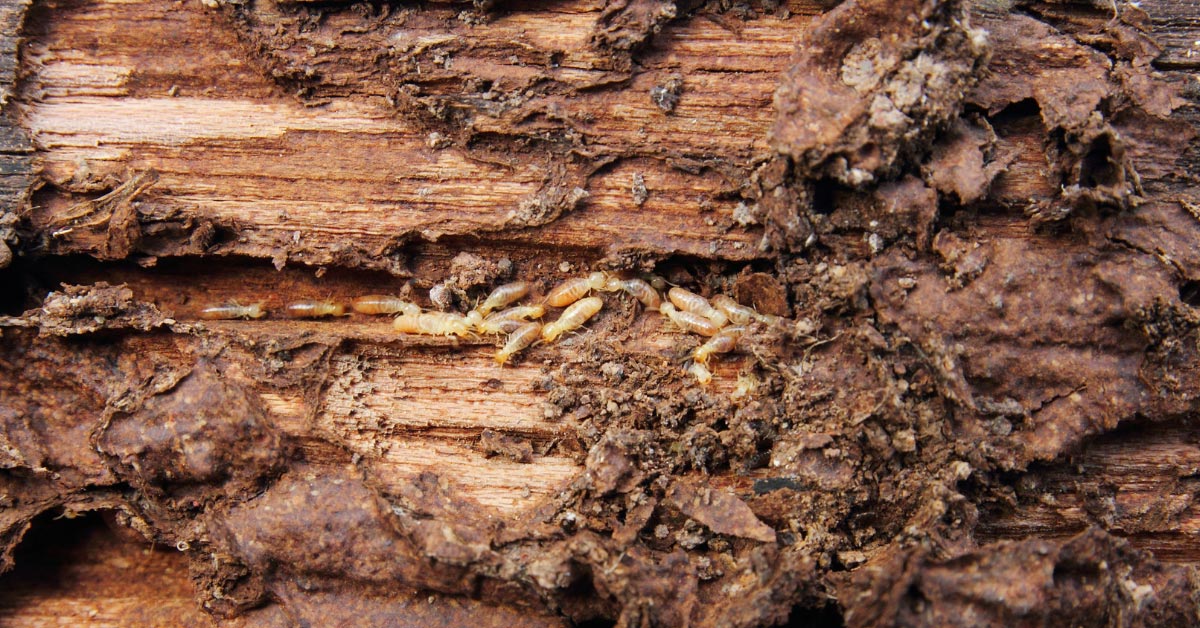
Worker termites are small (about 1/4 inch), pale, soft-bodied insects that avoid light. Most homeowners never see workers unless they break open infested wood. Swarmers are darker (brown or black), have two pairs of equal-length wings, and emerge during mating season. Soldier termites have enlarged heads with large mandibles used to defend the colony. The key distinction from ants: termites have straight antennae, thick waists, and wings of equal length.
How do I know if termites are still active?
Several signs indicate ongoing activity: fresh mud tubes (moist, soft when pressed), live termites when wood or tubes are broken open, new damage appearing over time, or frass accumulating in previously cleaned areas. Old damage and abandoned tubes can persist for years, so their presence alone doesn’t confirm active infestation. Professional inspections using moisture meters and acoustic detection can more definitively identify current activity. For next steps, see getting rid of swarming termites for confirming and addressing active colonies.
Do termites affect brick or concrete homes?
Termites can’t eat brick or concrete, but these materials don’t protect your home. Termites target the wooden components inside: framing, floor joists, roof trusses, baseboards, door frames, and any other wood or cellulose material. They enter through tiny cracks in foundations, gaps around pipes, or wherever wood contacts soil. A brick exterior provides no meaningful termite protection.
Protect Your Houston Home
Recognizing signs of termites isn’t complicated once you know what to look for. Regular inspections—both your own visual checks and annual professional evaluations—catch problems early when they’re easiest and cheapest to address. The signs of termites covered in this guide represent your first line of defense against these persistent pests.
Houston’s climate means termite pressure never fully goes away. But with awareness and proactive maintenance, you can protect your home from becoming another statistic in that $5 billion annual damage figure. Pay attention to the signs, address moisture and wood-contact issues, and don’t hesitate to call in professionals when something doesn’t look right.
ABC Home & Commercial Services has helped Houston homeowners address termites and other pests for decades. The company’s licensed inspectors know exactly where Houston termites hide and what it takes to eliminate them. If you’ve spotted any of the warning signs discussed here—or you just want the peace of mind that comes with a professional evaluation—schedule a termite inspection today.