Key Takeaways
- Termites often cause serious damage before homeowners notice them.
- Early signs include hollow-sounding wood, mud tubes, frass and discarded wings.
- Don’t disturb termite activity. Document what you see and call in a licensed pro.
- Annual inspections and moisture control are the best ways to prevent future damage.
Termites are destructive pests that often wreak havoc quietly. Homeowners may not notice any damage until the situation becomes severe, and the speed at which termites can chew through a home is shocking. Even a “smaller” colony of 60,000 can eat one-fifth of an ounce of wood a day, meaning this “small” colony can go through more than two feet of wood a year.
That might not sound like a lot, but remember that termites are responsible for over $5 billion in property damage every year. These “silent destroyers” can cause a lot of damage if left untreated.
So how can homeowners protect themselves? It helps to start with learning what termites look like and how you can recognize signs of their presence in your home.
Alan Brown, the Technical Manager at ABC Home & Commercial Services and a board-certified entomologist, discusses termite behavior to help homeowners identify them. In this guide, you will discover Alan’s insights on these key areas.
Table of Contents
Here’s what decades of pest control experience have uncovered about termites and how to deter them from your home.
Signs of Termites Inside the Home
Termites like to stay hidden. Many people don’t even see termites in their home until the colony has grown substantially. Some common signs of termites inside the home include:
- Hollow-sounding wood
- Mud tubes along walls or foundation
- Discarded wings near windowsills or doors
- Blistered or bubbling paint
- Small piles of frass
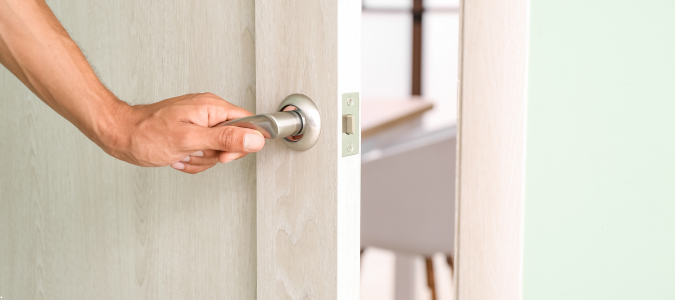
- Tight-fitting doors or hard-to-open windows
Let’s dive into each of these.
Hollow-Sounding Wood
Subterranean termites eat wood from the inside out. This leaves only a thin veneer of the wood intact, causing it to look relatively normal on the outside, even though the center is hollow. You can test this by gently tapping on the wood with a screwdriver. If it sounds dull, you could be experiencing termite activity.
Mud Tubes Along Walls or Foundation
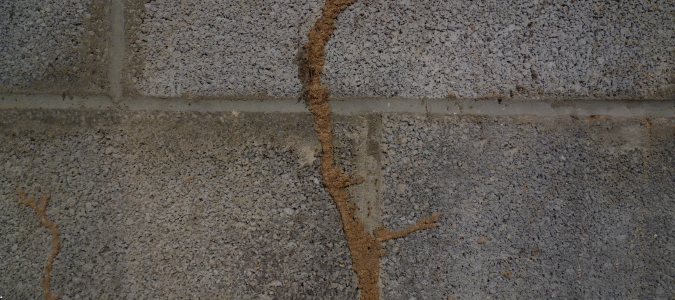
Mud tubes are another hallmark of subterranean termite species. They’re also a strong indication of termite activity, since this is a travel method exclusive to this pest. Alan also mentioned that termites use these mud tubes to protect themselves from predators, like ants, and also to help retain moisture.
These tubes are small tunnels made from wood, soil and termite saliva that run the length between a food source, such as the wood in your home, and the nest. You’ll often find these “highways” near foundation walls, by plumbing pipes or in crawl spaces.
Discarded Wings Near Windowsills or Doors
This is often a sign that homeowners may assume is related to a different pest, but reproductive adult termites grow wings. These are swarmers, a specific type of termite that has one goal: to start a new colony.
But when is termite season, and when should you be on the lookout for these wings? Swarmers usually emerge in spring or early summer to find a mate. Once they have found a mate, their wings fall off. These wings can be a clear sign you have a mature colony nearby.
Blistered or Bubbling Paint
Many homeowners think of this issue as a result of water damage, but it could actually be a sign of termite activity. Termites often damage the paint or wood veneer as they tunnel through a home. This can cause it to bubble or crack. According to Alan, you’ll find this blistered or bubbling paint around areas with higher moisture. Check for paint issues around windows, window frames, window sills and door frames.
If you notice this problem without a corresponding water leak, it’s worth contacting a pest control professional to see if termites are to blame.
Small Piles of Frass
The other most common type of termite, drywood termites, also has a specific calling card: frass. Frass, or termite droppings, is dry, pellet-shaped waste produced by drywood termites.
These droppings may resemble sawdust at first, but frass is distinct. It’s six-sided and has a uniform size, and it isn’t light and powdery like sawdust.
Tight-Fitting Doors or Hard-to-Open Windows
Termites and their tunnels bring more moisture into the wood. The more moisture there is, the more your wood features will swell and warp, which can make it harder to open and close doors or windows.
Much like bubbling paint, this can also occur for other reasons, such as water damage. If it’s not clear what’s causing these issues, it’s best to call in a pest control pro.
Signs of Termites Outside the Home
Learning about signs of termites indoors is important, but knowing the signs outside your home is your first line of defense. When you know what to look for outdoors, you can be better equipped to spot signs of these pests. The most common signs include:
- Mud tubes on exterior walls or foundation
- Wood damage on decks, fences or sheds
- Swarmers emerging near outdoor lights in spring
- Soft, crumbly firewood or mulch near your home’s foundation
Let’s get into more detail.
Mud Tubes on Exterior Walls or Foundation
Just like inside your home, you can find mud tubes running along the outside of your property. If you see these tubes, there’s a good chance you have an active infestation.
Wood Damage on Decks, Fences or Sheds
Wood structures in direct contact with soil are more likely to be eaten by termites because they’re easy to access. Make sure to check decks, fences or sheds with the screwdriver test.
Swarmers Emerging Near Outdoor Lights in Spring
Swarmers are attracted to light, so look for the wings around exterior light fixtures. Finding swarming activity doesn’t necessarily mean you have termites, but it does indicate there’s an active colony nearby.
Soft, Crumbly Firewood or Mulch Near Your Home’s Foundation
Termites also love firewood and mulch, especially if it’s stacked directly on the ground or against your home. This soft wood can become a gateway between the termites’ current food source and a much larger option: the rest of your home.
How to Confirm a Termite Infestation
Self-inspections are a good starting point if you suspect termites are present. However, you shouldn’t solely rely on a self-inspection. It’s always best to have a professional check to see if there are termite colonies on your property. Here’s what to know about homeowner and professional inspections.
Homeowner Self-Inspections
Basic inspections are quick and straightforward. Even if they aren’t extensive, they can give you a good idea of where you need to pay close attention. Key areas to check include:
- Sill plates and joists that sit on the foundation
- Porch supports and steps
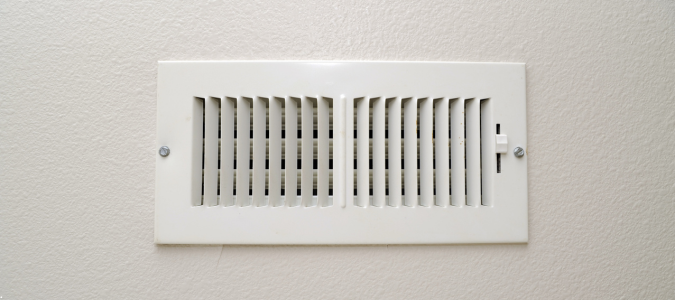
- Areas around pipes, vents and utility lines
A general review of common termite hiding places, like crawl spaces or any area where wood meets soil, is also important.
Professional Inspections
Experienced professionals have the tools and knowledge to identify signs of termites that homeowners may miss. Some of those useful tools can include:
- Moisture meters
- Infrared cameras
- Boroscopes
These methods are highly effective at finding hidden signs of termite activity. Professionals can also identify which species of termite you’re dealing with, locate the colony’s entry point and determine the extent of the damage.

What to Do if You Find Signs of Termites
So what should you do if you find signs of termites? Discovering termites can be alarming, but by following a few steps, you can handle the situation with ease.
Step 1 – Don’t Disturb the Area
Leave things as they are. Disrupting the termites might cause them to relocate, making them even harder to find and treat.
Step 2 – Document Evidence
Take clear pictures and notes that you can show your pest control professional later. These help give important context during the inspection.
Step 3 – Contact a Licensed Pest Control Company
Reach out to a reputable pest control provider as soon as you suspect activity. They’ll conduct a professional inspection to confirm what’s going on.
Step 4 – Discuss Treatment and Prevention Options
Your technician will review their findings and propose a treatment plan. Once approved, they’ll begin addressing the infestation and help you prevent future issues.
How to Prevent Future Termite Damage
Prevention is key to protecting your home from termites. Limiting moisture and keeping termite food sources, like firewood, away from your home makes it a less attractive place for termites to call home. Here are some other ways to prevent termite activity:
-
- Schedule regular annual inspections
-
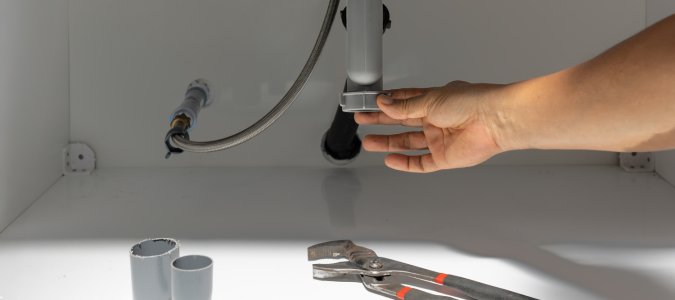
- Fix leaky pipes, air conditioning units and gutters
-
- Move wood 20 feet away from your home’s exterior and move mulch 6 inches away from the foundation
-
- Keep wood products elevated away from soil
-
- Maintain proper ventilation in crawlspaces
The best way to protect your home is with a custom prevention plan. A local pest control expert can recommend the proper steps for your property and help you stay ahead of future infestations.
Why You Should Call in a Professional
Attempting to handle termites with DIY methods often doesn’t cut it. These methods might take care of a few workers, but the rest of the colony can continue eating away at your home without you knowing.
That’s why it’s crucial to leave your home’s pest control to the professionals. Through the Integrated Pest Management (IPM) approach, professionals focus on prevention through regular monitoring and using the most effective, low-risk treatments only when necessary. This provides long-term care for your home.