ABC Blog

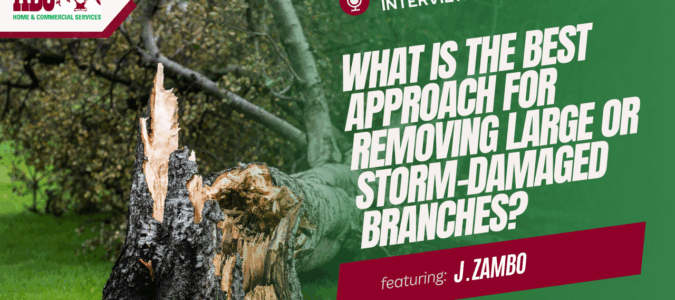
Tree Damaged by Storm? What to Do Next

a thumbnail from the video in this blog

Key Takeaways

Storms can cause a range of damage to trees, from broken limbs and leaning trunks to bark loss and root instability. Assessing the damage and knowing when to call a certified arborist can help preserve the long-term health of your trees.

As a homeowner, any damage to your trees can feel stressful. However, tree damage caused by a storm creates complex questions that you may not be prepared to answer. What do you do next, and how do you help your tree without causing more damage?

This comprehensive guide to tree damage by a storm will help you understand what to check, what to avoid and how to know when it’s time to call in the professionals.

Expert Insight

This guidance comes from J Zambo, ABC’s … Read Full Post »

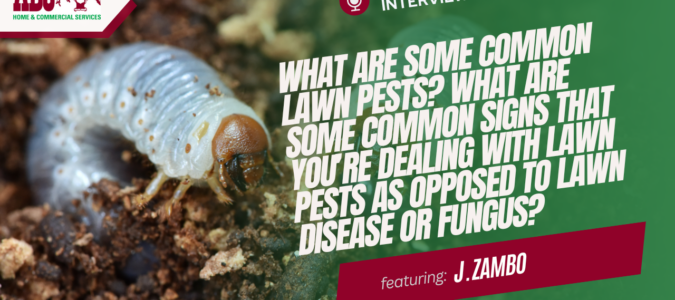
Lawn Pest Identification & Control Guide

a thumbnail from the video in this blog

Key Takeaways

Texas lawns commonly face pests like chinch bugs, grubs, armyworms, fire ants and sod webworms. Look for irregular patches, chewed blades, soil mounds or lifted turf. Early detection and proper lawn care help, but often, professional help is needed.

Have pests taken over your Texas lawn? Thanks to the Lone Star State’s humid and warm climate, Texas lawns can be hotspots for lawn pests like grubs, chinch bugs, armyworms, fire ants and other insects that can cause significant damage. 

As a homeowner, it’s important to learn how to identify pest damage so you can control it as early as possible. This guide, developed by ABC’s certified lawn care professionals, covers how to identify, prevent and control the most common lawn pests across Texas landscapes. 

“Grubs feed on the roots of grass,” says J Zambo. “So when you go to pull on the dead areas, … Read Full Post »

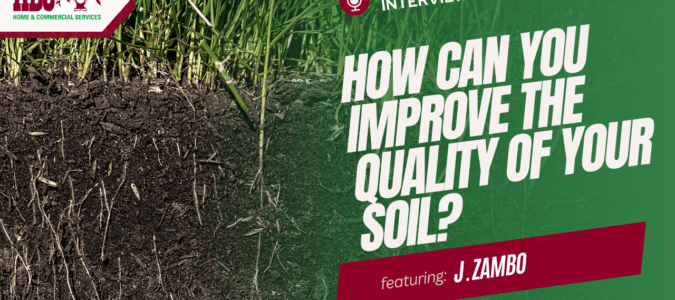
How To Improve Soil Quality In Your Lawn

a thumbnail from the video in this blog

Key Takeaways

Healthy soil is the key to a strong, green lawn. When soil becomes compacted or loses nutrients, your grass struggles, no matter how much you water or fertilize. Improving your soil with compost, aeration and good lawn habits can help your lawn grow thicker and healthier.

As a homeowner, it can be frustrating when you spend your weekends on your lawn, only for it to be patchy, uneven or a brownish-green color. You may spend time fertilizing, watering and mowing your lawn, but your lawn isn’t improving. What many homeowners don’t realize is that the quality of your soil can have an impact on your lawn’s health. 

Over time, soil can lose nutrients and helpful microbes, become packed down and struggle to grow strong roots. When that happens, even the best fertilizer or watering schedule … Read Full Post »

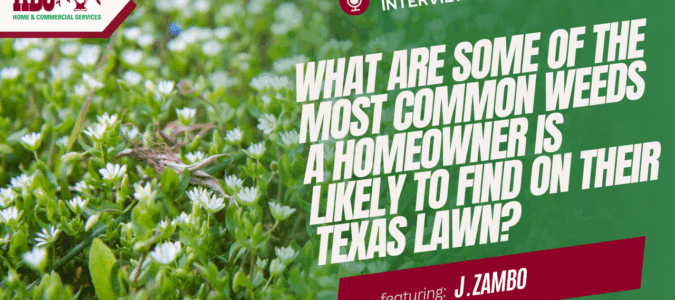
Texas Weeds: Identification And Control Tips

a thumbnail from the video in this blog

Key Takeaways

Texas lawns face year-round weed pressure thanks to warm weather and unpredictable rain, making proper lawn care essential. Identifying weed types by region, as well as using the right prevention and control methods, helps keep your grass healthy and thriving.

As a Texas homeowner, do you get frustrated by how often you have to manage weeds in your lawn? While our weather is a positive for many residents, the warm weather and unpredictable rain in Texas make the Lone Star State a haven for weed growth. 

Weeds can affect the health of your lawn in a number of ways. For example, they compete with your plants for nutrients, making it harder for your plants to thrive. They can also degrade your lawn’s aesthetics and can attract pests.

This guide covers how to identify, … Read Full Post »

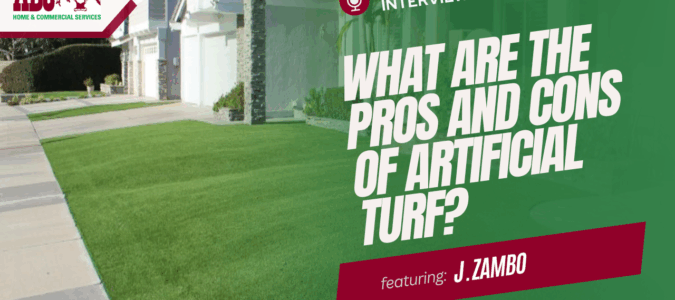
Pros and Cons of Artificial Turf

a thumbnail for the video included in this post

Key Takeaways

Artificial turf offers a consistently green, low-maintenance lawn, but it comes with considerations like heat, upfront cost and proper installation. This guide walks you through the pros, cons and what to expect before making the switch.

Every homeowner wants a lush backyard where they can sit back and relax or watch their kids play. However, there are a lot of issues that can arise from a traditional lawn. For one, maintenance and caring for your lawn takes consistent time and energy. Even when caring for your lawn properly, you can still find yourself dealing with disease or insects. Also, water conservation has become increasingly important, and what was once a beautiful green patch of lawn may now be scratchy and brown. 

For all these reasons, you may have considered artificial turf. Artificial turf is great because it looks beautiful year-round, saves water and … Read Full Post »

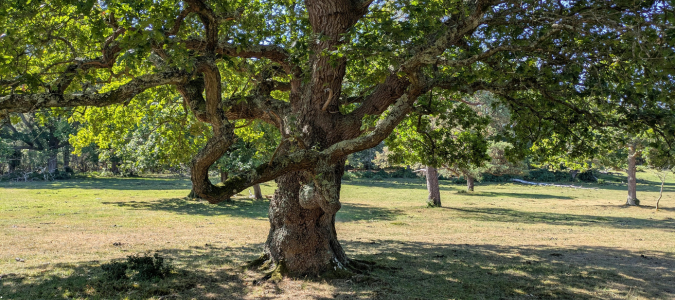
How Long Do Oak Trees Live?

oak trees

Here in Texas, we are lucky to have many species of beautiful oak trees. If you have one of these trees in your yard, you may be wondering, “How long do oak trees live?” You may also be wondering about what you can do to extend your oak’s life and keep it healthy.

According to J Zambo, some oak species can live thousands of years, but most live for hundreds of years. J also states that oak trees in urban settings likely won’t live as long. He says that the best way to extend the life of your oak trees is to develop a long-term relationship with an ISA Certified Arborist. A good arborist will not only develop a great pruning and maintenance program, but they will also have a thorough understanding of the trees in your yard and will be able to quickly diagnose any disease or pests.

J Zambo is … Read Full Post »

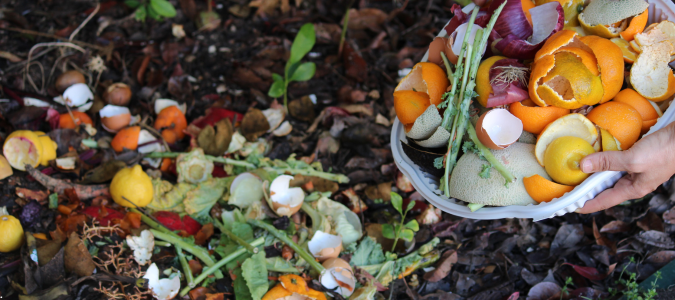
Planting With Compost: Expert Advice From The Pros

compost

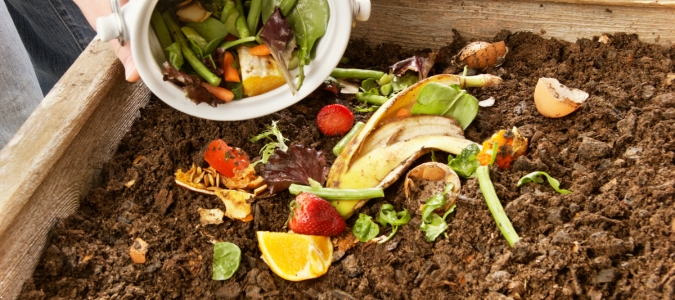
What do grass clippings, dead leaves, coffee grounds and dinner scraps have in common? They can all be used to create or feed a compost pile. Then you can use the compost to help keep your trees, plants, fruit and vegetable garden and soil healthy.

Planting with compost is easy if you know the basics.

What is Compost?

First, let’s talk about what compost is and what it’s used for. At its most basic, compost is simply partially decomposed organic matter. In other words, plant and other material that is nutrient-rich because it’s in the process of breaking down. Over time, this mixture turns into fertile soil.

Gardeners use compost to add important nutrients and microbes to the soil, in order to build its structure and help plants thrive. Compost is often considered one of the most effective soil amendment options.

Compost Can Improve Your Soil

If you live in an area that has clay-like soil, … Read Full Post »

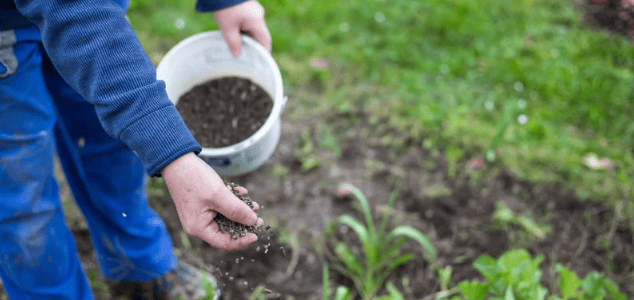
Understanding Lawn Fertilization: Types and Schedules

Lawn Fertilization

Understanding Lawn Fertilization: Types and Schedules

Maintaining a lush, vibrant lawn requires more than regular mowing and watering. One critical component of lawn care is proper lawn fertilization. Lawn fertilizers provide essential nutrients that grass needs to grow strong, green, and resilient.

This comprehensive guide explores the different types of lawn fertilizers, including liquid fertilizer, their benefits, and optimal fertilization schedules to ensure your lawn thrives throughout the year.

Understanding the fertilizer bag labels can help you choose the right product for your lawn. It’s crucial to perform a soil test to determine your lawn’s specific nutrient needs. This will guide you in selecting a fertilizer that addresses any deficiencies and provides the appropriate essential nutrients.

Knowing how much fertilizer to apply and when to do it is key to achieving a vibrant lawn. Whether you opt for granular or liquid fertilizer, following a tailored schedule can make a significant difference.

Regularly … Read Full Post »

How Can I Use Compost for My Lawn?

compost

Did you know that there are many benefits to using compost on your lawn? It can improve the quality of new and established lawns and help ensure long-term health. 

From your lawn to your garden beds, there are several ways to use compost to benefit your lawn.

How Can I Use Compost for My Lawn?

Are you looking for a simple but effective way to improve the health of your lawn? Try incorporating compost.

Compost is a nutrient-rich organic material made from decomposed kitchen and yard waste.

There are several ways to use compost to improve both new and established lawns and gardens. The benefits of compost include enhancing water retention and soil quality, adding nutrients and helping prevent soil erosion. Compost can also encourage beneficial microbiomes and earthworms. 

Compost as Topdressing on Established Lawns

One of the most common ways to use compost for your lawn is as topdressing, which is when you sprinkle a thin … Read Full Post »

What Is Fertilizer Burn?

fertilizer burn on a yard

Fertilizer is designed to keep your lawn and plants healthy, but too much can cause fertilizer burn, which can cause serious damage. 

The best way to avoid fertilizer burn and maintain a thriving lawn or garden is to work with a lawn care specialist.

What Is Fertilizer Burn?

Fertilizer burn occurs when plants are exposed to excessive amounts of fertilizer. It can cause plants to wilt, turn brown, yellow or die altogether. Luckily, with the right fertilizing techniques, you can avoid damaging your plants through fertilizer burn.

Why does fertilizer burn happen? When your lawn is overloaded with fertilizer, the nutrients no longer nourish it. Instead, the fertilizer draws moisture away from your plant’s roots, causing them to stop absorbing water effectively.

When this happens, your lawn experiences symptoms that resemble drought stress. However, what’s really happening is chemical overload. 

There are several common signs of fertilizer burn. First, your lawn may begin to wilt despite … Read Full Post »