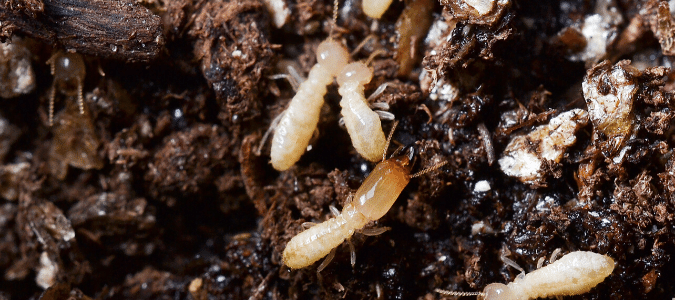
In Texas, moisture is more than just an annoyance, it can be an open invitation for termites. The combination of humidity, high heat and seasonal storms leaves homes exposed to elements that can damage and deteriorate them. Wood faces an additional threat: termites.
This leaves many homeowners wondering if the damage they see is caused by rot or termites. Being able to identify termite damage versus wood rot is important, because each issue requires a different approach.
It’s common for homeowners to mistake the two because they share similarities, even as a mature colony eats away at a home’s structure. Termites can quickly become an expensive problem if you don’t address them effectively.
What Causes Termite Damage?
Termites cost homeowners billions of dollars in damages annually. Texas has the ideal climate for them to thrive. Plus, termites are notoriously good at finding entry points that are hard to see with the naked eye.
Two main types pose the biggest threat to Texas homes: subterranean termites and formosan termites. Drywood termites are also present in the area, but are less common.
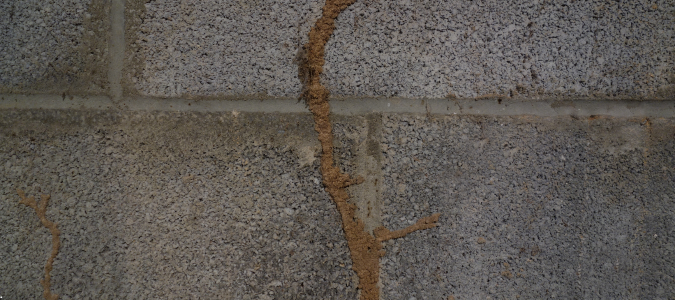
Subterranean termites live underground, hiding in your soil and building mud tubes that give them direct access to your home’s infrastructure.
Formosan termites are a type of subterranean termite that is growing in numbers in Texas. They consume wood even faster than other types of termites and can form massive colonies inside walls without the homeowner knowing.
How Termites Damage Wood
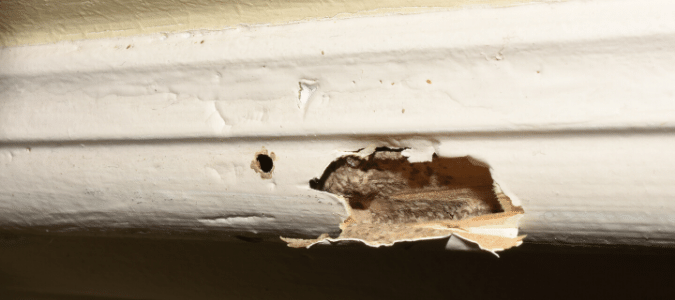
Termites eat cellulose, an organic fiber found in wood and other plant materials. They eat from the inside out, so the wood often appears perfectly normal while it’s being hollowed out by a colony. This is why damage is often hard to spot, especially in hidden areas such as behind walls, under baseboards or in crawl spaces.
For more information about termites and the damage they cause, we interviewed Alan Brown, Board-Certified Entomologist and Technical Director at ABC Home & Commercial Services.
“Termites eat wood with the help of protozoa in their gut that assist in cellulose digestion.”
Brown explains that in Texas homes, they are commonly found near interior plumbing penetrations and around the exterior of the home where they use mud tubes to make their way up the outside of the home’s foundation.
“These mud tubes control temperature and moisture for the termites as well as protect them from predators.”
There are a few common places within your home where you might find termite damage, including:
- Slab foundation
- Porch posts and fence lines
- Window sills and door frames
- Any place where storm damage or moisture hits your home
Pay close attention to these vulnerable spots. This can help you spot termite activity early, saving you money and headaches.
What Is Wood Rot?
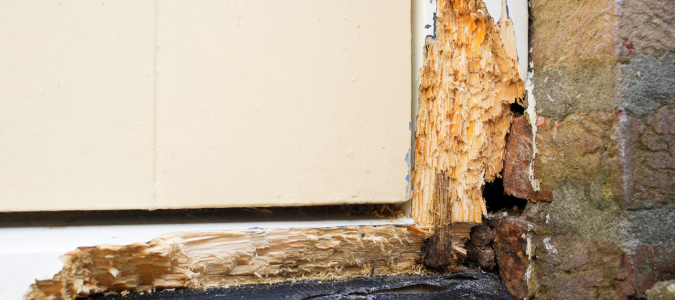
Wood rot is a form of decay, but it isn’t caused by insects. It happens when fungi break down the cell walls of the wood. However, the result is often the same: the wood loses its strength and structural integrity. Wood rot does not spread without consistent moisture, so addressing the source is key to stopping it.
Common causes of wood rot for Texas homeowners include:
- Heavy rainfall and tropical storms
- Plumbing leaks inside walls or under sinks
- Sprinklers or irrigation systems that spray your home’s siding
- Water pooling around your foundation due to poor drainage
You can’t control the weather, but you can control how water interacts with your property. Focus on preventing wood rot in areas where it is most common, such as exterior trim and deck boards. It’s also an issue around roofs and eaves, so it’s important to maintain your gutters to prevent pooling.
Those with crawl spaces, wooden siding or pier-and-beam structures should also regularly inspect these areas for signs of wood rot.
Termite Damage Versus Wood Rot: Key Differences
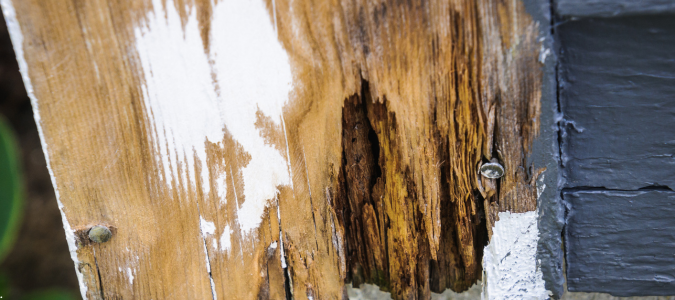
It’s hard for many homeowners to identify termite damage versus wood rot, pictured above, at a glance. However, if you look closer, you can find distinct characteristics that are signs of each problem.
According to Alan Brown,
“Wood rot is caused by moisture damage and fungal decay, while termite damage is feeding from these insects.”
Brown adds that you can sometimes have both at the same time, and that some fungus is believed to be attractive to termites.
“It frequently looks like white fuzz and the wood appears spongy, or the wood may look like it’s been broken into cubes.”
Is It Termite Damage or Wood Rot?
How to Tell the Difference: A Step-by-Step Guide for Texas Homeowners
Where should you begin? Here are the steps to determine whether you have wood rot or termites.
Signs of Termite Activity
If you think you might be seeing signs of termites, look for:
- Mud tubes (tunnels running from the ground up your foundation or exterior walls)
- Discarded wings, usually found near windowsills
- Hollow-sounding wood (you can tap the wood with a screwdriver handle)
- Termite droppings (known as frass), which looks similar to sawdust
If you spot any of these warning signs, it’s time to contact a professional. These are often clues that termites are thriving in your home.
Signs of Wood Rot
Look for visual clues that you have wood rot, like:
- Peeling or bubbling paint
- Visible fungus
- A damp, musty or earthy smell
- Wood that looks darker than the surrounding area or has light patches
You can also test the wood with the same screwdriver you used to check for termites. Press the screwdriver tip into the wood. If it’s soft and crumbly, it’s more likely to be wood rot.
Why Misidentification Is So Common in Texas
High humidity can create the perfect conditions for both wood rot and termite activity. Many older Texas homes already struggle with moisture-related issues. Because termites are drawn to damp wood, signs of wood rot may also point to a termite problem.
However, the presence of one doesn’t always mean the presence of the other. But, it’s good to be certain by contacting a pest control professional.
Formosan termites can make things even more confusing. They eat so aggressively that their patterns can mimic signs of wood rot. You can conduct a visual inspection yourself, but it’s important to call in a trained specialist.
Prevention Tips for Texas Homeowners
Prevention is cheaper and more convenient than treating issues such as wood rot, termites and other pests. To make your home less attractive to moisture-related damage and pests, take these steps:
- Improve drainage by ensuring water flows away from your home
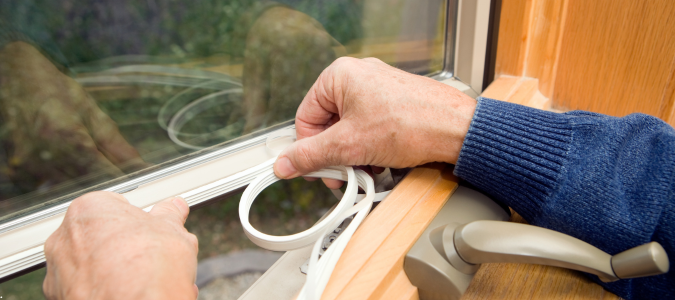
- Seal any gaps around doors and windows to keep water out
- Adjust your sprinklers so they don’t hit exterior walls or fences
- Keep your gutters clean and schedule an annual roof inspection
According to Alan Brown,
“Keep piles of firewood away from the foundation. Maintain four to six inches of visible foundation free from mulch, soil or other materials. This helps with inspection and removes a potential conducive condition for termites.”
Brown also recommends focusing on reducing wood-to-soil contact and improving visibility around your foundation.
“Inspect the foundation, skirting and similar areas frequently for signs of termites, such as mud tubes.”
While these steps can reduce your risk of termite infestations, they are most effective when paired with professional monitoring. This is even more true if you have a history of termite problems.
When to Call in a Professional
You should contact a professional if you notice:
- Structural sagging in floors or ceilings
- Rot or damage around load-bearing beams
- Widespread mud tubes
It’s best to contact professionals if you aren’t sure of the cause of wood damage. There are many reasons wood damage can occur, and knowing it isn’t caused by termites can give you peace of mind.
It’s also important to avoid DIY repairs. Wood can be fragile, and you can worsen your termite situation without even realizing it. Getting an expert opinion is always the best choice.
Frequently Asked Questions About Termites
Here are some questions homeowners have about termite damage versus wood rot.
Can termites cause wood rot?
Does wood rot attract termites in Texas?
What time of year are termites most active in Texas?
Schedule Professional Inspections to Protect Your Biggest Investment
Identifying termite damage versus wood rot early is the best way to prevent a small issue from becoming a major problem. The Texas climate can make moisture feel like a constant battle, but proper drainage and routine inspections are your best defense.
Whether you have fungus or pests, it’s always smart to get professional help to stop moisture from damaging your home.