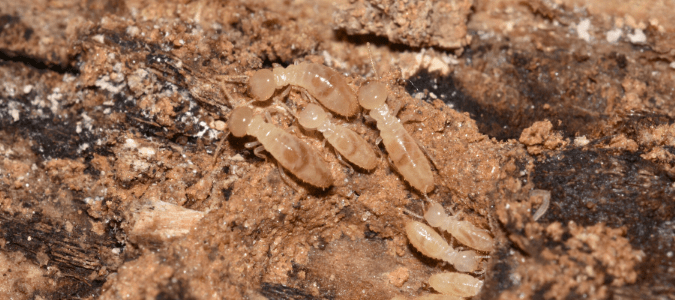
The Lone Star State has a lot going for it. However, like any other part of the world, homeowners have a unique set of challenges specific to this region and climate. An unfortunate example is the destructive termite.
These tiny pests might not seem scary, but they cause millions of dollars’ worth of damage across the country every year. And since Texas is one of the more desirable locations for people and termites, this poses an issue for homeowners who don’t want to see their homes become a snack for these pests.
If you’ve discovered signs of termite activity in your home, or if you’re concerned you might have an underlying termite problem, this can be a scary moment. People invest a great deal of time and money in their homes. It’s the foundation for your family and your entire life. So what do you do now?
This guide helps Texas homeowners recognize termite signs, understand local risks and learn what to do next. You’re most likely to see signs of a termite infestation before you see the termites themselves, so understanding their behavior is a good starting point.
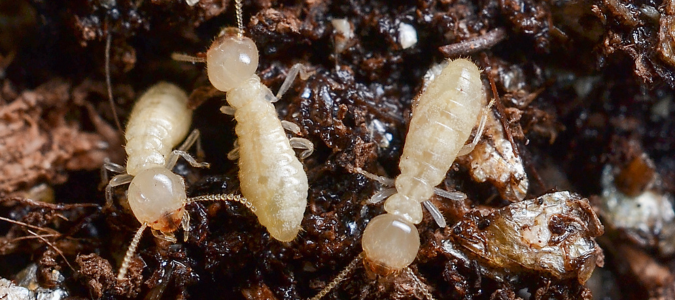
Drywood Termites Versus Subterranean Termites
Drywood and subterranean, pictured above, are the two most common types of termites in Texas. Knowing the difference between them is important because they have drastically different behaviors and management strategies.
Subterranean Termites
These are the dominant termites in Texas and pose the greatest threat to your home’s structural integrity. This type of termite will die without a source of moisture. This means they’re constantly looking for damp wood or contact with the ground to give themselves access to moisture.
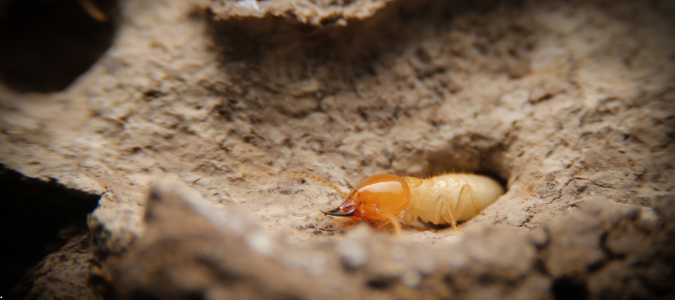
Drywood Termites
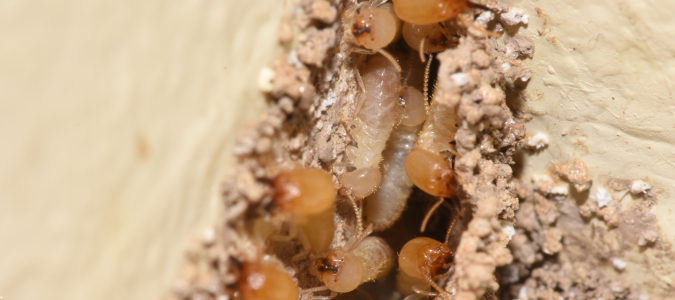
Drywood termites, pictured above, live within the wood and don’t need a connection with the soil or an external water source. They’re less common in Central Texas than subterranean termites, but they’re still notorious for causing damage to homes in the area.
Does Texas Have a Termite Problem?
Yes, Texas does have a termite problem. This stems from our state having the perfect environmental conditions for them to not just survive but thrive. Once you consider that people love living here, too, termites aren’t struggling to find homes for a food source, either.
The Perfect Environment Makes Them a Permanent Pest
Termite activity is highly dependent on moisture and temperature. Cold winters often force termites underground, where they either slow down or become dormant until the weather warms up again.
They usually don’t have to hit pause when they’re thriving in Texas’ temperate weather. Even if it gets cold here, the soil temperatures rarely drop low enough to deter them from their constant foraging. This means termites can be active almost year-round.
When Is Termite Season?
Because of the favorable weather, it’s arguably always termite season in Central Texas. However, they tend to be particularly active during the warmer months.
Signs You Might Have Termites in Your Home
Termites are busy, but if you’re hunting them down, it might feel like they’re doing a lot of their work in secret. Knowing the signs that you have a termite problem gives you time to call in professional help before they do more damage. Here are some of the most common signs to look for:
- Swarmers and discarded wings
- Damaged wood
- Mud tubes
- Termite frass
Let’s break these down further.
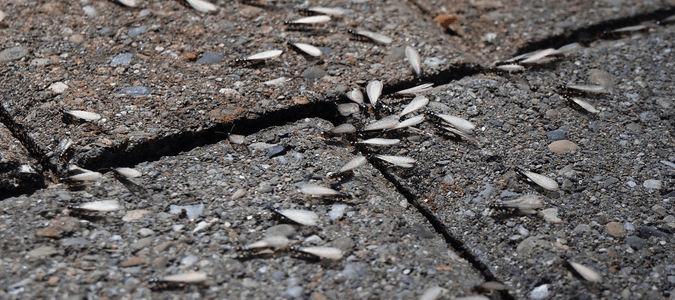
Swarmers and Discarded Wings
Swarmers are a type of termite whose entire purpose is to leave the colony to find a mate. They’re named because they appear in swarms, usually in spring when there’s plenty of moisture.
However, the evidence that you have swarmers isn’t always the insects themselves. It’s often the wings they leave behind. Swarmers shed their wings after their short trip, so you may find discarded wings around windows or door frames.
Damaged Wood
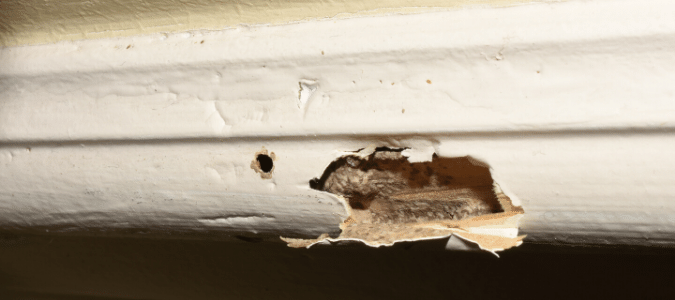
Termites eat wood from the inside out. So while it might seem obvious that external damage to wood could be termite activity, it’s usually more hidden than homeowners realize.
Termite-damaged wood has a very specific look, almost like the wood is broken down into layers or a honeycomb pattern. This is because they prefer the softer wood grain, so they usually leave the harder, darker wood alone.
You can check for internal wood damage by tapping on any wood elements close to your foundation, like doorframes or baseboards. If the wood sounds hollow or collapses under the light pressure, that’s a potential sign of termites.
Mud Tubes
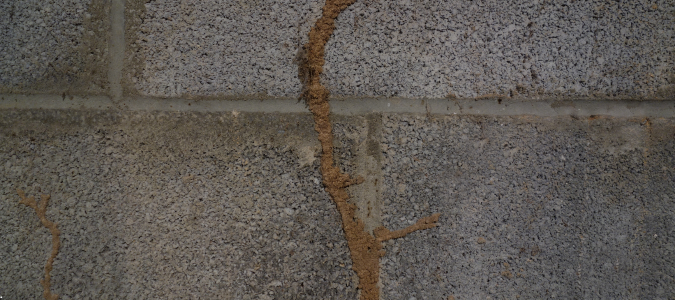
Subterranean termites build mud tubes to move between the soil and the wood inside your home. Look for these running up foundation walls, inside crawl spaces or even along plumbing and utility lines. Any active mud tubes are a sign that you have termites on your property.
Termite Frass
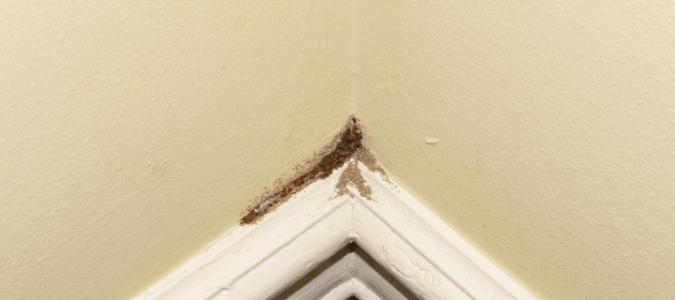
Frass is termite fecal matter. If you’re concerned you have drywood termites, these are tiny pellets they kick out of their habitat. If you see them, you’ve likely found the infestation.
What Our Customers Say
“We have used ABC for at least 5 years, and my parents were customers for over 10. ABC has kept our home termite-free and kept my parents’ home rodent-free. Their customer service has been consistently friendly and professional. They always show-up on time and follow-up with an email summary. We plan to stay with them for peace of mind. We highly recommend them.”
— Mary T.
What Do Termites Look Like?
While you’re unlikely to see them before you notice any of the above signs, it’s still good to know what termites look like. Their appearance depends on the type of termite (subterranean versus drywood), but they’re broken down into three distinct categories: workers, swarmers and soldiers.
Workers
Workers are the most numerous of all the termite categories.. They look similar to ants but can be anywhere from pale cream to black in color, and they have softer bodies. The worker termites are quite small, and only measure between one-eighth and three-eighths of an inch.
Soldiers
Soldiers defend the colony and look similar to workers, only with dark, rectangular heads. They have powerful mandibles that you can likely see, and they are generally larger than workers.
Swarmers
Swarmers are reproductive adults who look similar to other types of termites except for the fact that they have wings. Also, their bodies are usually darker and larger than worker termites.
Termite Prevention Tips for Texas Homeowners
How can you make sure you don’t find any termites in your Texas home? There are a few things you can do to secure your property and make it less enticing for termite populations, including:
- Managing moisture
- Lowering wood-to-soil contact
- Monitoring with the help of pest control professionals
Take a closer look at these tips.
Manage Moisture
Proper drainage is crucial to preventing termites. Keep rain gutters and downspouts clear of debris so there’s no standing water around your foundation. Keep an eye on your plumbing and repair any leaks, both inside and outside your home.
Lower Wood-to-Soil Contact
Since subterranean termites access your home through the soil, your goal should be to lower their opportunities to make that connection. Store firewood high off the ground, preferably on a metal rack, and keep it away from your home’s exterior walls.
You should also avoid overusing mulch near your foundation, as it can retain moisture and keep termite populations hidden.
Monitor With the Help of Pest Control Professionals
Even if you don’t think you have termites, it doesn’t hurt to be proactive and perform a visual check. While a DIY inspection can help, it’s no substitute for professional services. You should contact a pest control professional if you’re concerned you might have termite activity.
How Long Does It Take for Termites to Do Damage?
Termite damage can happen quickly. Even if it takes some time for the damage to ramp up and for colonies to expand, they can do both at an alarming rate. Larger colonies can cause massive structural damage within a few years, and you won’t always notice until they have done extensive damage.
Are Termites Nocturnal?
You might assume termites are nocturnal because you don’t see them during the day. Termites actually aren’t nocturnal or diurnal. These pests don’t sleep and work 24 hours a day to expand their colony.
As far as when certain termite activities are more likely, swarming might be more common in the early morning.
Frequently Asked Questions About Termites
How often should you schedule a termite inspection in Texas?
Can termites come back after treatment?
When is termite season in Texas?
What should I do if I see termite swarmers around my home?
Protect Your Home From Termites
Even though termites are a threat to homes, you can protect your home with professional assistance from ABC Home & Commercial Services. Contact us if you suspect a termite infestation to schedule an inspection and take action before the next termite swarming season.