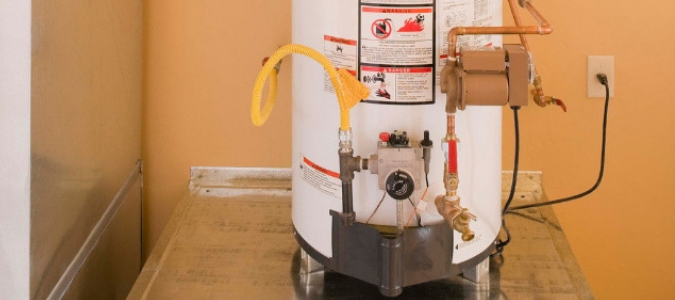
Is a noisy water heater causing you trouble? The first thing to know is that noises coming from your water heater are normal, but they can point to maintenance needs.
As a homeowner, you might notice that the noises get worse when your water heater’s burner is on. This is also normal, but it’s important to understand what’s going on.
This guide covers the most common causes of water heater popping noises, how to diagnose what you’re heating, DIY fixes and when it’s time to call in a professional.
Is a Popping Noise Dangerous?
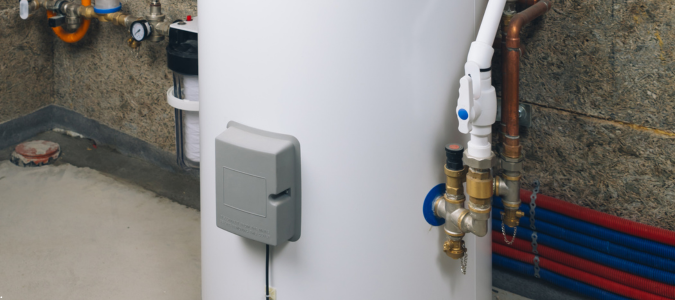
If your water heater is making a popping noise, it can indicate a sediment buildup or an overheating risk. Over time, these issues can reduce your water heater’s efficiency and shorten its lifespan.
Hearing a popping noise coming from your water heater is rarely a dangerous emergency. There are risks involved with letting it go unchecked. The noise is often caused by mini “boiling bubbles” underneath the sediment buildup. If ignored, these bubbles can create excess pressure in your heater.
On rare occasions, the popping noise can become an emergency. For example, if you smell sulfur or burning, there’s water leaking from the tank or the T&P valve drips continuously, you need to call a professional.
The Most Common Causes of Water Heater Popping Noises
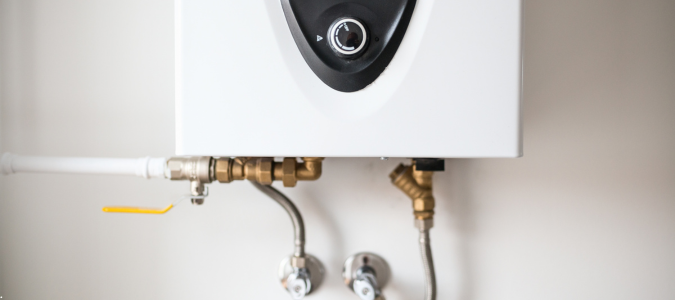
There are four common causes of water heater popping noises. They are rarely dangerous emergencies, but rather a signal that your water heater needs maintenance before the issue goes too far.
These causes include:
- Sediment buildup
- Limescale buildup on heating elements
- Expansion and contraction of the tank
- Sediment blocking water flow
Let’s dive into each of these.
Sediment Buildup
When hard water minerals settle at the bottom of your water heater tank, they form a layer of sediment. This sediment can trap bubbles during heating cycles. As these bubbles push through and burst beneath the sediment, they create the popping or crackling sounds. The thicker the sediment layer becomes, the louder the noise may be.
Limescale Buildup on Heating Elements (Electric Units)
Popping noises are especially common for electric water heaters because their heating elements make direct contact with the water. Rather than using a burner to heat the water, the electric components are submerged in the heater.
Eventually, limescale builds up in the heater and acts as insulation. The added insulation forces your heater to work harder to heat the water, which causes overheating. The overheated water creates popping noises against the limescale insulation.
Expansion and Contraction of the Tank
Water heaters expand as they heat and contract when they cool. It’s natural for this process to create some noise, especially in older units or units that get plenty of use.
Keep in mind that hearing some noise from your water heater is relatively normal. If the noises become excessive, consult with a professional.
Sediment Blocking Water Flow
Some sediment buildup on the floor of your water heater is common, but too much buildup becomes a problem. Rather than sticking to the heater’s floor, it infiltrates the water tank and interferes with the circulation.
Sediment in your tank can restrict water flow and trap water in certain areas of your heater, which creates the popping noises. If this is what you’re dealing with, the efficiency of your water heater is likely reduced, which will cause more problems over time. Talk to an expert about reducing the sediment buildup in your water heater.

How to Diagnose the Noise Yourself
Before you call an expert, follow these steps to diagnose your water heater’s popping noise yourself:
- Listen for where inside the water heater the noise is coming from
- Check for leaks around the base of the heater
- Inspect the T&P valve area for dripping, corrosion or mineral crusting
- Verify the age of the unit using the serial number guide
- Look for gritty or discolored water
After you work through the steps listed above, use the table below to diagnose your water heater’s noises.
DIY Fixes: What Homeowners Can Try
There are a few do-it-yourself fixes that homeowners can try before turning to a professional. However, if troublesome noises persist even after these fixes, you need to call in the experts.
Flush the Water Heater Tank
Flushing the water heater tank can help remove sediment and give your water heater a refresh. While this is routine maintenance that homeowners can do themselves, it’s still important to exercise caution and follow the steps closely.
Step One: turn off the power or gas to the water heater
- Electric units: shut the power off at the breaker
- Gas units: set the gas control to “off” or “pilot”
Step Two: connect a hose to the drain valve at the bottom of the tank; run the hose to a floor drain or outside
Step Three: open the drain valve and flush the water out until it runs clear
While flushing your water heater is something you can do yourself, a licensed professional can also do it. Don’t hesitate to ask for help if you feel more comfortable leaving it to the pros.
Lower the Thermostat Temperature
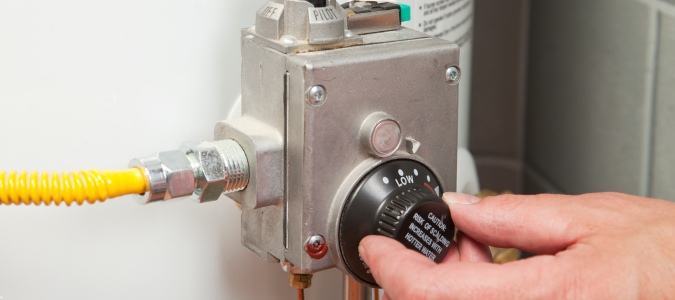
The recommended temperature range for a water heater is 120 to 125 degrees. If yours is over this heat, start by lowering it to see if that reduces the popping noise.
This simple step can reduce overheating and stress on your water heater’s tank. It can also slow the buildup of minerals, which will help with your noise problem and protect your water heater’s lifespan.
When NOT to DIY
If you notice these signs, you should skip the DIY fixes and call a professional:
- A gas smell
- Severe corrosion
- T&P valve discharge
- An electrical burning smell
These signs point to a larger issue with your water heater.
When You Need a Professional Plumber
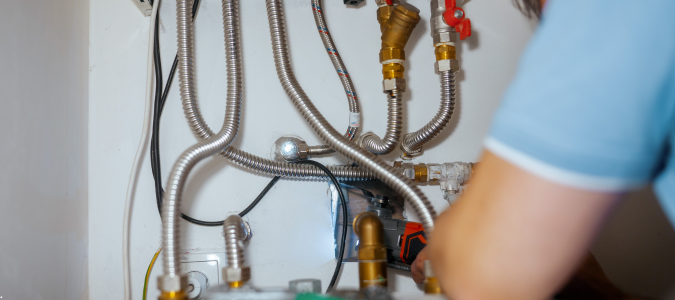
When in doubt, it’s best to have a professional plumber inspect your water heater and perform routine maintenance. Popping noises are often linked to sediment buildup, but they can also point to efficiency loss or other issues.
Signs It’s Time to Call an Expert
- The popping noise continues after flushing
- Your tank is over ten years old
- There’s rust-colored water in your water heater
- You’re experiencing water pressure issues
- There’s visible corrosion on the tank or valves
An expert can address each of these issues, including why you might have low hot water pressure.
What a Licensed Texas Plumber Will Do
A licensed Texas plumber will start by conducting a professional deep clean and descaling of your water heater. In most cases, especially when sediment buildup is the cause of the popping noises, this will clear up the issue.
Next, they’ll inspect your tank’s heating elements for limescale damage, overheating or electrical issues. If your heater had more than the usual amount of mineral buildup, they’ll also inspect it for sediment damage.
Another service a professional can provide is testing the heater’s T&P valve. A pro can ensure that the pressure system is working properly.
Finally, they’ll evaluate your water heater’s replacement needs. This is especially necessary for older water heaters that may have worn-down parts. If it’s time to replace your water heater, they can advise you on how a tankless water heater works.
What Our Customers Say
“We discovered that our old water heater burst at 7:30am. Within an hour Ryan was at our house. My wife is an architect specializing in multi-family housing. She knows everything about code and compliance for all appliances. She asked all the right questions and Ryan had all the right answers. I took a hot shower before noon. You cannot ask for better customer service. Ryan’s an All Star. I highly recommend.”
— Robert S.
Preventing Popping Noises Long-Term
After a plumber fixes your water heater, follow these steps to prevent the popping noises in the long-term:
- Annual or semiannual flushing
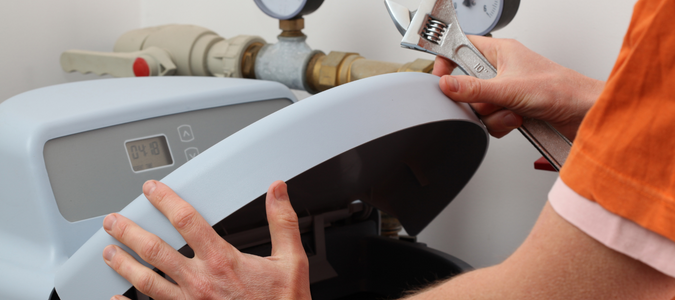
- Install a water softener, pictured above, or whole-home filtration
- Anode rod inspection every 2 to 3 years
- Maintain proper temperature settings
Let’s dive into each of these a bit more.
Annual or Semiannual Flushing
Flushing your water heater on an annual or semiannual basis can prevent excess sediment buildup from causing problems. In some parts of Texas, water hardness causes sediment to build up quickly, so it’s a good idea to flush your heater more often.
Install a Water Softener or Whole-Home Filtration
Installing a water softener or whole-home filtration system will reduce the amount of calcium and magnesium in your water. This will help with sediment buildup over time and decrease popping noises. Another benefit is that it can extend the lifespan of your water heater, which saves you money in the long-run.
Anode Rod Inspection Every 2 to 3 Years
Your water heater’s anode rod draws minerals away from the lining of the tank to protect your heater from corrosion. However, the rod degrades over time, so it’s important to keep an eye on it. Inspect it every two to three years and have it replaced if it’s no longer effective.
Maintain Proper Temperature Settings
Keep your water heater set to 120 to 125 degrees to reduce overheating and slow sediment buildup.
Frequently Asked Questions
Can I keep using my water heater if it’s making noise?
How long does a flush take?
Does popping mean my tank is failing?
Keep Your Water Heater Quiet With Expert Assistance
If your water heater is making popping noises more than usual, it likely needs attention. Sediment buildup or advanced age is likely the culprit. Call a licensed plumber to inspect your water heater and get to the bottom of the popping noises.