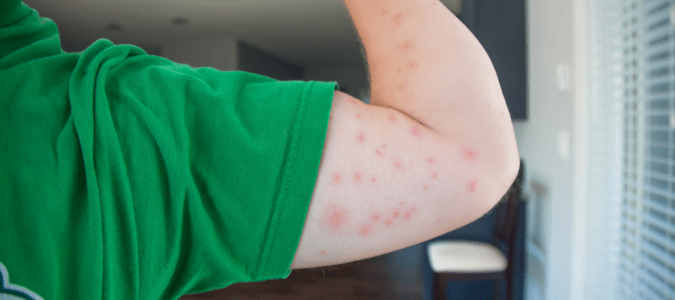
Flea bites typically appear as small, itchy red bumps in clusters around the ankles and legs, and can often be mistaken for bites from other insects. Acting quickly and taking a comprehensive approach is the best way to control fleas.
Have you noticed itchy red bumps on yourself or your family members? Maybe you’ve noticed your pets scratching more than usual? These are common signs of a flea infestation.
To help you understand what flea bites look like, how to differentiate them from other bug bites and what to do about them, we spoke with Alan Brown, Board-Certified Entomologist and Technical Director at ABC Home & Commercial Services.
What Do Flea Bites Look Like on Humans?
Flea bites can look very different from person to person, so it can be difficult to determine if you’re dealing with flea bites or another type of bug bite.
According to Alan Brown, telling them apart isn’t always straightforward, even for medical professionals.
“You can’t. Even a physician cannot tell the difference. There are some bites from things like snakes and some spiders that can be distinctive, but most bug bites look the same and bites vary greatly from person to person. Some people are very reactive to bug bites, others have no reaction at all.”
Flea bites may appear in clusters or lines where multiple fleas have been feeding together. They’re also more common on ankles, legs and feet. That’s because those are the easiest areas for fleas to reach by jumping from the ground.

What Do Flea Bites Look Like on Dogs and Cats?
Fleas often target pets first, so it’s important to watch for signs of bites on your animals.
While it’s possible to have fleas with no pets in the home, animals are one of the most common ways they find their way inside. For dogs, look for red, inflamed bumps under the fur. Bites are most commonly found around a dog’s belly, inner thighs, neck and the base of their tail.
If you’re checking cats, look for small scabs. These are often easier to feel than see. Bites are most common around the head or neck, so look for any signs of irritation in that area. Cats can also develop over-groomed patches around bites.
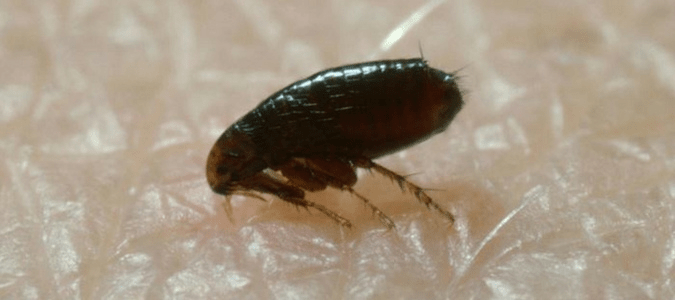
Why Flea Bites Itch So Much
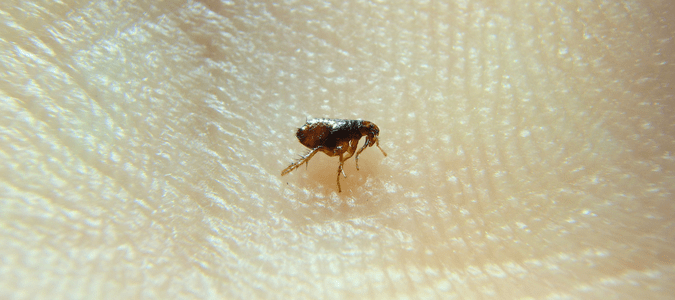
Flea bites can be really itchy for some people, but why is that? Fleas are blood feeders, and they inject saliva into bites while they’re feeding to prevent blood from clotting. This triggers a histamine reaction as the body’s immune system kicks into action, causing an itching sensation at the site.
Some people have a mild reaction to flea bites. They may experience itching, but inflammation isn’t usually widespread. Avoid scratching these bites as much as possible.
In other cases, more severe reactions can develop. Some people experience large welts and blistering. A variety of anti-itch remedies are available to deal with this, but you should speak to a doctor if symptoms worsen.

Signs You Have a Flea Infestation
It’s important to identify flea infestations to get effective treatment. Watching for these signs can also help you prevent long-term infestations.
According to Brown, the most common signs are straightforward.
“Pets scratching frequently and bites on and around your ankles and lower legs.”
He also points to something many homeowners overlook: flea dirt.
“You may also notice what’s called flea dirt (dried fecal blood from the adult fleas feeding) in your pet’s fur and in your carpets. The flea larvae feed on this fecal material and it will turn a reddish brown if it gets wet (like a dried blood stain).”
Inside a home, watch for any pets starting to scratch frequently. Inspect pet bedding for any small black specks, as these may be flea dirt. Fleas are small but can sometimes be spotted jumping in your carpet, and bites concentrated around your lower legs are another telltale sign.
Fleas outside your home are also a concern, because they can quickly find their way indoors. If your yard has a lot of shaded, moist areas, it could provide a habitat for fleas and other pests.
How to Get Rid of Fleas in Your Home (Step-by-Step)
If you believe your home has a flea infestation, it’s important to take action. There are several steps you can take to remove fleas from your home and help deter them. A comprehensive approach should include:
- Treating pets
- Deep cleaning
- Carpet and upholstery treatment
- Yard treatment
Taking these steps will help protect your home from current and future flea infestations.
Step 1: Treat Pets
Treating your pets is the first step in fighting a flea infestation.
As Brown notes, talk to your vet for recommendations on flea medications, shampoos or collars for your animal.
“Contact your veterinarian about oral or topical flea treatments for your pets.”
Along with treating your pets, make sure to wash their bedding in hot water and put it through the dryer on high heat. The heat helps sterilize eggs to prevent the flea lifecycle from starting over again.
Step 2: Deep Clean
Thoroughly cleaning your home can make a big difference.
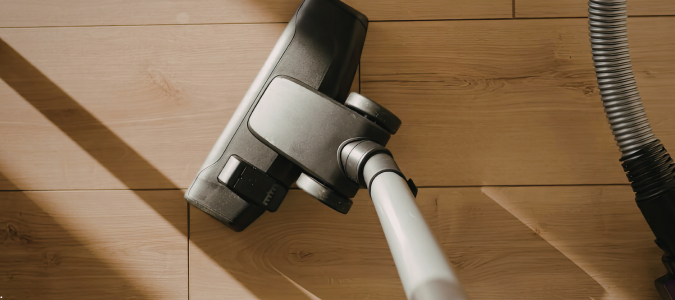
Brown emphasizes that vacuuming is one of the most important steps, but there’s a critical detail most people miss.
“Vacuum daily and throw the bag away immediately, every time you vacuum. If not, they will just emerge from the vacuum later. If you have a bagless vacuum, clean the dust receptacle with hot soapy water after emptying.”
He also points out why vacuuming is so effective.
“Only 5% of a flea infestation is adult fleas. While adult fleas live on your pets, the eggs they lay fall off and end up in the spots they frequent. This is where the larvae and pupae develop.”
Pay particular attention to favorite pet sleeping spots, under furniture, rugs and carpeted areas.
Step 3: Treat Carpets and Upholstery
Carpets and upholstery may also need treatment. This is best left to professionals to protect your materials and achieve lasting results. Professionals have access to insect growth regulators that can disrupt the flea lifecycle. If you have a severe or long-lasting infestation, professional pest control is the best solution.
Step 4: Treat the Yard
Cleaning up your yard a bit can also help. Remove debris and address any shaded, damp areas to remove potential habitats. Professional outdoor treatment is recommended when dealing with persistent flea problems.
How Long Do Flea Bites Last?
If you’ve noticed flea bites, you’re probably wondering how long they’ll last. In mild cases, itchiness is typically gone within two to three days. However, if the bites are scratched and become infected, symptoms can last longer.
More severe cases can experience swelling for up to a week. While this can be uncomfortable, it isn’t a major concern unless symptoms worsen. Avoid scratching, and try solutions like ice packs to manage irritation.
People react differently to flea bites depending on a wide range of factors. A person’s immune response to flea bites is similar to an allergic reaction, so it can vary from person to person.
Frequently Asked Questions About Flea Bites
Can Flea Bites Appear in a Straight Line?
Why Are Flea Bites Mostly on Ankles?
Can Fleas Live in Beds?
When to Call a Professional Pest Control Company
While there are plenty of steps you can take on your own, some infestations call for professional pest control. If you’re experiencing frequent bites or your house keeps getting reinfested, it’s worth seeking out professional flea treatment.
Preventing Flea Bites in the Future
If you suspect you have flea activity in your home, the good news is that prevention goes a long way. Staying on top of year-round pet treatments, routine vacuuming and yard maintenance can help keep fleas from becoming a bigger problem.
If you’re facing ongoing issues, reach out to the team at ABC Home & Commercial Services for professional treatments and other custom solutions.