Scents like citronella, lemon eucalyptus and lavender may temporarily repel mosquitoes, but they won’t solve an infestation. For effective mosquito control in Texas, focus on removing standing water and professional mosquito treatment.
Mosquitoes can be a persistent problem in Texas because of year-round heat, humidity and standing water. If you’re looking for natural ways to repel these pests, you might have come across methods that use certain scents. While some smells do help repel mosquitoes, none solve infestations, so a layered approach is best.
So what smells do mosquitoes hate that are backed by science, and what works in Texas specifically? To help separate myth from fact, we spoke with Alan Brown, Board-Certified Entomologist and Technical Director at ABC Home & Commercial Services. Here’s a closer look at what actually works and when it’s time to call a professional.
Why Smell Matters: How Mosquitoes Find You in the First Place
Scent plays a key role in how mosquitoes locate people. That’s why they seem to head right for you as soon as you’re outside, and it’s also why you might find mosquitoes in your house. Mosquitoes can detect the carbon dioxide that humans exhale with every breath.
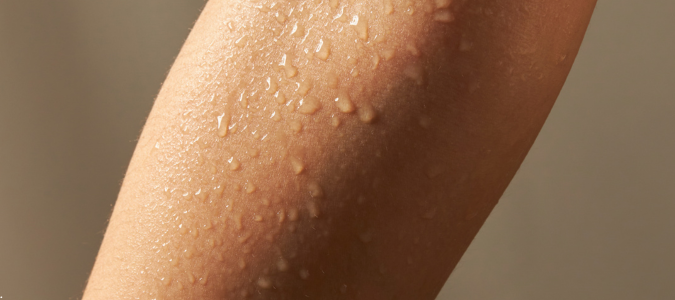
Mosquitoes also have an excellent sense of smell for the compounds in sweat. If you’re outside on a hot summer evening, you can bet that mosquitoes are well aware of the lactic acid you’re giving off. Bacteria on your skin produce body odors that mosquitoes can use to find you.
Brown breaks down exactly what draws mosquitoes in.
“Body heat, CO2 from respiration and odors (sweat, smelly feet). An individual who is exercising, sweating and breathing heavily would be more attractive than someone who has recently showered and is relaxing. It has also been suggested that Type O blood is more attractive to mosquitoes.”
Thanks to their infrared vision, mosquitoes can even see body heat. This combination of factors means that some people are simply more noticeable to mosquitoes and that any kind of physical activity can draw their attention.
A variety of plant compounds can interfere with a mosquito’s ability to smell by affecting its scent receptors. This effect is typically temporary and limited in scope, and many DIY solutions don’t deliver on the promises they make. However, there are scientifically supported scents that may offer some help.

What Smells Do Mosquitoes Hate?
You can find endless lists of supposed mosquito deterrents online, but many of which don’t live up to the hype. However, certain scents can have an impact on mosquito activity, even if they aren’t a one-and-done solution. Some of the best examples include:
- Citronella
- Lemon eucalyptus
- Lavender
- Peppermint
- Basil
- Garlic
Many products available today incorporate these scents to repel mosquitoes. Let’s dive into each of these.
1. Citronella
Citronella is probably the most widely known mosquito-repelling scent, and is used in a wide range of products. It’s derived from lemongrass and works best in high concentrations. Candles are typically lower concentration and localized, while oil diffusers are typically more effective. Windy Texas weather can carry the scent away faster than it can build up around you.
2. Lemon Eucalyptus (Oil of Lemon Eucalyptus/PMD)
Oil of lemon eucalyptus is the source of PMD, an EPA-registered, plant-based repellent that’s often compared to DEET in terms of effectiveness. It can help repel mosquitoes for up to 12 hours, depending on concentration. This is an extracted and concentrated form, different from lemon eucalyptus essential oil.
3. Lavender
Lavender, pictured above, has mild repellent properties, and using it in oil form is much more effective than dried plants due to higher concentration. While it can provide some protection, it’s best used for small patios rather than large yards.
4. Peppermint
Peppermint contains menthol, which can deter mosquitoes. It’s also used in concentrated form for yard treatment to target larvae. This direct application can be useful, but there’s little research backing the ability of peppermint scents alone to make a big difference.
5. Basil
Basil contains eugenol and other aromatic compounds that lab evidence shows can help repel mosquitoes. Crushed leaves and concentrated oil are much more effective than planted basil when it comes to managing mosquitoes.
6. Garlic
Garlic has a strong odor that can temporarily deter mosquitoes, and you’ll find it used in a variety of off-the-shelf sprays. But, results are typically limited and temporary. It’s important to note that while sprays can work, eating garlic to change your body odor to deter mosquitoes won’t work.
Keep in mind that no matter what scents you go with to keep mosquitoes away, they will only offer temporary relief. The best way to handle mosquitoes long-term is professional mosquito control.
Smells That Do Not Effectively Repel Mosquitoes
There are plenty of options that will help repel mosquitoes. However, there are just as many myths about supposed solutions that don’t actually help. Hanging up dryer sheets is one example that doesn’t do anything to deter mosquitoes.
Vitamin B patches are designed to help change body odor to make you less attractive to mosquitoes, but there’s nothing backing up these claims. Ultrasonic repellents emit high-frequency sound waves with the intention of driving mosquitoes away. However, these also don’t have any testing behind them.
Bug zappers are great for many flying insects, but fare poorly against mosquitoes. While a lot of insects are attracted to the ultraviolet light used in bug zappers, mosquitoes aren’t particularly drawn to it.
Do These Smells Actually Work in Texas?
When it comes to natural repellents, Brown notes that results can vary.
“Some natural products like the ones mentioned above do show some effectiveness as mosquito repellents, but it tends to be short lived compared to products like DEET, requiring reapplication more regularly to maintain effectiveness.”
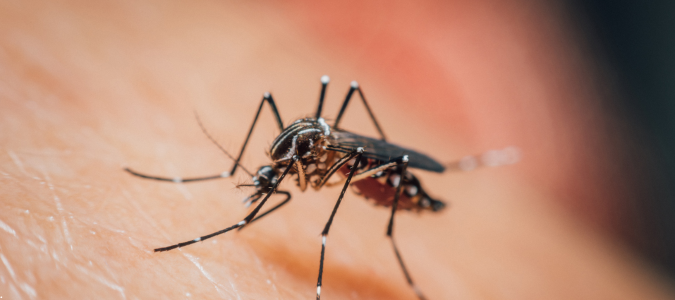
Texas’s most common mosquitoes, Aedes aegypti and Culex quinquefasciatus, respond to scent-based repellents. But, our warm, breezy climate can reduce how well they work outdoors.
High temperatures and humidity can affect scent detection, making these types of repellents less helpful. Wind also impacts these products by blowing away scents and reducing their concentration. Candles and oils are best used in small, enclosed patios where levels can build up. They disperse too thinly in large backyards to work.
Remember that using scents isn’t going to address the underlying mosquito infestation problem. For example, if you have standing water sources around your yard, mosquitoes will continue to breed and be a nuisance.

How to Use Mosquito-Repelling Scents
Mosquito-repelling scents can be effective when used properly. Only use EPA-registered repellents and check the label for any dilution instructions. Store insect repellents away from pets and children.
Instead of relying on scents alone to keep mosquitoes out of your yard, take steps to remove standing water to halt their reproductive cycle. Professional treatments and off-the-shelf mosquito traps can help, too. If you’re using candles, they work best in enclosed patios where the scent can build up.
Why Smells Alone Won’t Solve a Mosquito Infestation
Smells may help keep mosquitoes away for a bit, but they don’t do anything to address an infestation on your property. Mosquitoes lay eggs in stagnant water, grow into larvae, then pupate and finally emerge as adults. Scents only deter adults, doing nothing for other stages.
Your property could be home to a wide range of mosquito breeding sites. Bird baths, gutters, flower pots and even AC drip lines can provide ample opportunity for mosquitoes. A female mosquito can lay 50 to 200 eggs at one time, so their population can skyrocket quickly.
What Our Customers Say
“We’ve been w/ABC Pest Control for 30 plus years. Their service is outstanding, effective & affordable. They guarantee their treatments & if you see any insect between treatments, they’ll come back at no additional cost to treat.”
— Kim L.
When to Call a Professional Mosquito Control Company in Texas
Is it time to call the professionals? If you’re facing an ongoing mosquito problem despite DIY solutions, your yard could benefit from treatment.
Noticing when mosquitoes come out and getting bitten during the day by local Aedes species is a strong indicator that it’s time for treatment. Persistent swarms at dusk, mosquitoes throughout the neighborhood and nearby standing water all call for treatment.
Professional treatment combines a variety of methods to achieve comprehensive coverage. Larvicide application stops the mosquito lifecycle. Barrier sprays help keep newcomers out of your yard. Habitat reduction helps ward off future growth. A seasonal plan tailored to your yard can have a big impact on mosquito populations.
What Is the Strongest Smell Mosquitoes Hate?
Does Vinegar Repel Mosquitoes?
Do Plants Like Citronella Actually Work?
The Best Way to Keep Mosquitoes Away in Texas
Certain scents can help temporarily reduce mosquito activity. If you’re dealing with an ongoing mosquito problem, a layered approach and professional treatment are the best solutions.
Schedule an inspection or consultation with the expert team at ABC Home & Commercial Services to see how our mosquito treatment options can help you reclaim your property from these pests.