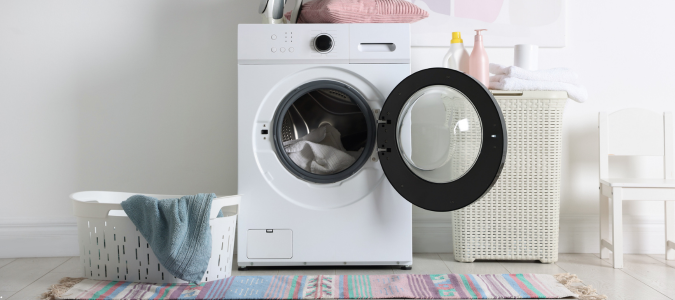
A washer is supposed to keep your clothes clean, so it’s frustrating when it smells bad. The good news is that a smelly washer is not a reflection of the cleanliness of your home. A musty, sour or mildew-like smell is common and can happen to any washer.
The real culprit behind your washer’s smell is moisture buildup, detergent and bacteria. Newer washers are especially susceptible to smelling because they have tighter seals that trap moisture and residue.
This guide explains why washing machines smell, what causes the odor, how to prevent it and when to use DIY fixes versus calling in a professional.
To get expert insight, we spoke with Richard Goertz, EPA-certified Service Manager of the Appliance Repair Department at ABC Home & Commercial Services.
What Does a Smelly Washing Machine Usually Smell Like?
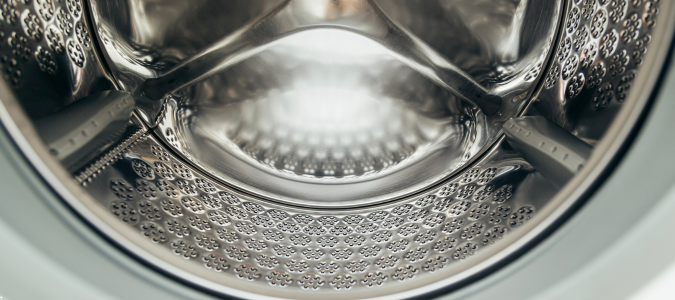
Similar to when your dryer smells, if your washing machine smells, it usually is a musty or rotten smell. A helpful tip is that the smell can typically indicate the cause of the odor, which can guide you to the right solution.
Common Odor Types and What They Indicate
- Musty or mildew smell: trapped moisture
- Rotten egg or sulfur smell: bacteria in the drain or plumbing
- Sewer-like smell: a drain trap or venting issue
- Burning smell: mechanical or electrical issue
Note: if your washing machine has a burning smell, stop using it and call a professional.
The Most Common Reasons Your Washing Machine Smells
There are five main causes of a smelly washing machine:
- Moisture and mildew buildup inside the drum
- Detergent and fabric softener residue
- Dirty or clogged drain pump filter
- Smelly washing machine drain or P-trap
- Rubber door gasket (front-load washers)
Keep reading to learn about each one so you can identify the cause of your washer’s smell.
Moisture and Mildew Buildup Inside the Drum
Washers, especially front-loading washers, create the ideal scenario for moisture and mildew build-up.
Essentially, washers aren’t designed to stay wet all the time, but it’s common for moisture to linger after a wash cycle ends. The most common places for lingering moisture to accumulate are inside the drum, hoses and seals.
Front-loading washers are more prone to buildup because they have a tighter moisture-trapping seal than top-loading washers. This airtight door is good for conserving water and energy, but it also traps humidity.
Detergent and Fabric Softener Residue
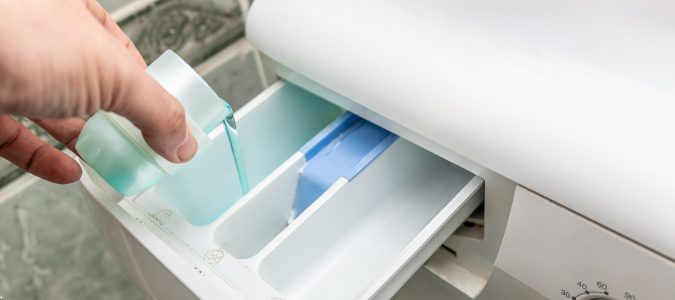
If you overuse detergent or fabric softener, your washer will start to smell because the excess product doesn’t fully wash away. This is especially common if you use too much high-efficiency detergent, or you use regular detergent in a high-efficiency washing machine.
Detergent and fabric softener residue becomes food for bacteria and mildew buildup, which leads to an odor.
Look for these signs of buildup to make sure you aren’t using too much detergent or fabric softener:
- There’s a slimy or greasy surface inside your washer
- You notice a stale smell after running your washer
- Your clothes don’t smell fresh after washing them
Dirty or Clogged Drain Pump Filter
Your washer’s drain pump is responsible for catching hair, lint, fibers and other debris from your clothes before they reach the pump. However, the drain pump can become clogged and waterlogged.
As the trapped debris sits in the waterlogged drain pump, bacteria and mildew can accumulate, which results in an unpleasant smell. To remove the smell, you’ll need to unclog the drain pump.
Homeowner tip: not all washers offer easy access to the drain pump. Partial disassembly may be required to unclog it. Check your owner’s manual and don’t hesitate to call in professional help.
When it comes to washers and dryers, it’s best to leave appliance repair up to the professional, especially if your dryer leaks water.
Smelly Washing Machine Drain or P-Trap
Sometimes a smelly washing machine isn’t due to the machine itself, but the plumbing connected to it. If your washing machine smells like a sewer, this is likely the case, especially if you don’t use your washer very often.
There’s a P-trap beneath the washer’s drain that’s responsible for holding water and preventing gases from entering your home. If your washer doesn’t get much use, the water in the P-trap evaporates, which causes sewer odors to travel up through the drain and enter your home.
If you notice a sewer-like smell coming from your washer, the easiest fix is to call a professional plumber.
Rubber Door Gasket (Front-Load Washers)
On front-load washers, the rubber door gasket is one of the most common and overlooked sources of washer odor. Because the gasket forms an airtight seal, it can trap water, lint, hair and detergent residue after every wash cycle.
The inner folds of the gasket are especially prone to buildup, yet many homeowners only wipe the visible surface. Over time, this trapped moisture and residue can lead to mildew growth, which may appear as dark spots on the rubber, slimy residue in the folds or a persistent musty smell around the door.
Goertz explains that the gasket is frequently the root cause of odors in front-load machines.
“Front-load washing machine odors often come from the door gasket, which can be replaced,” he says. “Some odors come from detergent (i.e., eco-friendly ones) not breaking down all the dirt and leaving residue in the machine.”
How to Get Rid of Washing Machine Smells
For a do-it-yourself solution, follow the steps below to get rid of your washing machine’s foul smell.
Step 1: Run a Cleaning Cycle (or DIY Deep Clean)
Start by cleaning your washing machine to remove built-up detergent or bacteria. You can use a manufacturer-recommended washer cleaner or create a DIY solution.
Try these DIY solutions:
- Vinegar and baking soda: start with a hot cycle with white vinegar to break down the residue, then follow up with a second cycle with baking soda to neutralize the odor
- Bleach: run a hot cycle with bleach to kill bacteria and mildew
Note: do not combine the vinegar/baking soda method with bleach.
Step 2: Clean the Rubber Gasket and Dispenser Drawers
Using a microfiber cloth and gentle cleaner, wipe down your washer’s rubber gasket and dispenser drawers. Pay attention to the creases and corners of the gasket, and pull up the gasket’s folds to wipe away the built-up residue. You could also use a toothbrush to get inside the folds of the rubber gasket, where odor-causing residue is most likely to hide.
Step 3: Check and Clean the Drain Filter
Your machine’s drain pump filter is responsible for trapping lint, hair and other debris before they reach the pump. However, if the filter gets clogged, it can cause odors.
Most drain pump filters are located behind a small hinged door at the bottom front of the machine. However, the location varies by washing machine model, so check your owner’s manual if you need help finding yours.
When you open the filter, some debris and a musty odor are normal. If you notice a stronger sewer-like smell, see black sludge or signs of damage to the filter, call a professional.
Step 4: Improve Drying and Airflow
Finally, after your washer is clean, allow it to fully dry to prevent moisture from returning and causing new odors. Follow these tips:
- Leave the door open after wash cycles
- Wipe down the drum and gasket after use
- Improve ventilation in your laundry room
Proper drying is especially important for front-load washers, where trapped moisture can quickly lead to mildew inside the gasket.
Goertz notes that persistent mildew issues sometimes require professional repair. “With front-load washers, we replace the door gaskets that have mildew,” he says.
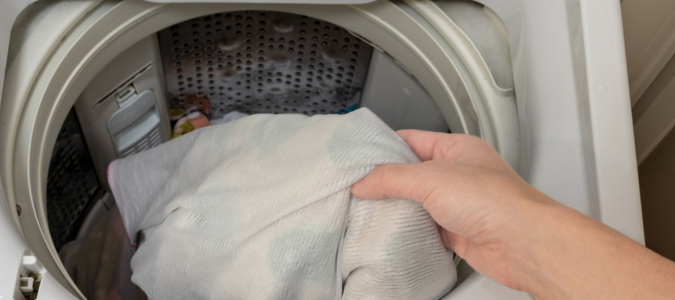
How to Prevent Your Washing Machine From Smelling Again
Follow the following care and maintenance tips to prevent your washing from smelling again.
Best Habits for Odor Prevention
- Use the correct amount of detergent
- Avoid leaving wet clothes sitting in the washer
- Periodically run hot cycles to clean the washer and break down residues
- Clean your washer monthly, even if it looks “clean”
Maintenance Checklist
Weekly Maintenance:
Monthly Maintenance:
Annual Maintenance:
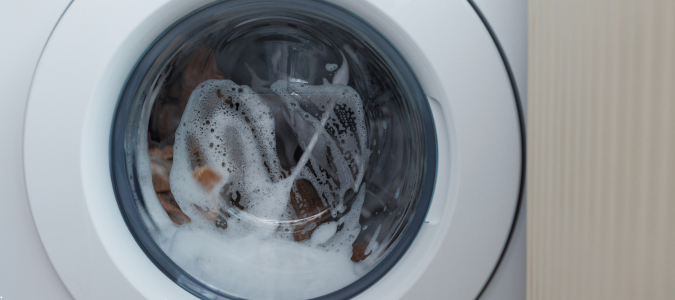
When a Smelly Washing Machine Means a Bigger Problem
Washing machine odors are often a symptom, not the real problem. While most problems are easy to fix, some odors indicate larger issues. For example, if the smell persists even after cleaning, it smells like sewage, there’s water backup in your washer or you’re dealing with unusual noises and leaks, the problem is not a quick fix.
If you’re dealing with any of these issues, contact a professional to inspect your washing machine.
Should You Fix It Yourself or Call in a Professional?
Homeowners can handle small fixes and simple washing machine maintenance. However, situations that require appliance repair or plumbing expertise, such as when your dryer doesn’t start, should be left to the pros.
Keep in mind that ignoring ongoing odors can lead to costly problems, such as water damage, appliance failure and air quality concerns. Even if you think it’s a minor problem, do not hesitate to call in the experts before it becomes a bigger one.
Keep Your Washer Running Efficiently With Expert Help
Washers can smell for a number of reasons, and the solutions can range from an easy fix to a more complicated issue. It’s important to keep up with routine washing machine maintenance and be proactive when you notice an unpleasant smell. If the issue persists, it’s time to call an appliance repair professional.