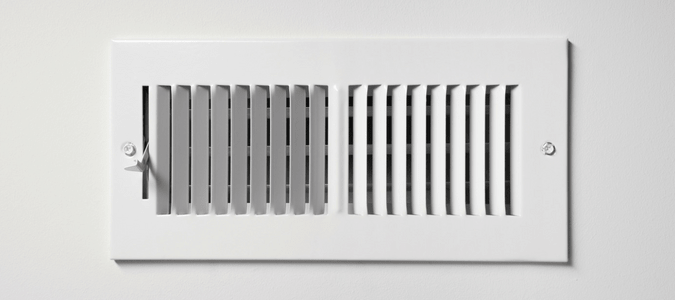
A loud AC unit is often the first sign that something is wrong, from loose parts and clogged filters to failing motors or refrigerant leaks. Identifying the type of sound early can help you decide whether it’s a simple DIY fix or time to call a professional.
In many parts of Texas, air conditioners run hard for most of the year. Naturally, most homeowners get used to the normal background sound of cooling. A steady hum, a brief click at startup or airflow moving through the vents doesn’t always mean anything is wrong. But when the sound changes, if it suddenly bangs, buzzes, whistles or seems louder than usual, that’s usually when people start asking “why is my AC so loud?”
Some sounds are harmless and tied to normal AC operation. Others point to parts wearing down, airflow problems or electrical issues that can get worse if ignored. In Texas heat, systems often work longer and harder. This means wear tends to show up faster than many homeowners expect.
This guide breaks down the most common AC noises, what you can check yourself and when it makes sense to call a professional before a small issue turns into a bigger repair.

Is It Normal for an AC to Be Loud?
Some sound is expected when an air conditioner runs, especially during hot afternoons when the system has been cycling for hours. A healthy unit isn’t silent, but the sound should feel familiar. What usually matters most is whether the noise has changed.
Gary Cremeans, HVAC Operations Manager at ABC Home & Commercial Services, says certain sounds should never be ignored, especially when they come from the outdoor unit.
“If you hear grinding, high-pitched squealing or buzzing when the unit is not even trying to start, that usually means something is wrong and needs to be checked.”
What a Healthy AC Should Sound Like
A normal system usually makes a low, steady hum while running. You may hear a brief click when the thermostat tells the unit to start, followed by airflow moving through the vents.
Most homeowners notice:
- a soft hum from the outdoor condenser
- a short startup click
- steady air moving through supply vents
Those sounds should stay fairly consistent from day to day.
Signs the Noise Is Not Normal
A louder sound becomes more concerning when it is new or sharper than what you are used to hearing.
Watch for:
- a sudden change in volume
- metallic banging, screeching or grinding
- vibrations you can feel through walls or floors
If the sound is loud enough that it pulls your attention every time the system starts, there’s usually a reason behind it.
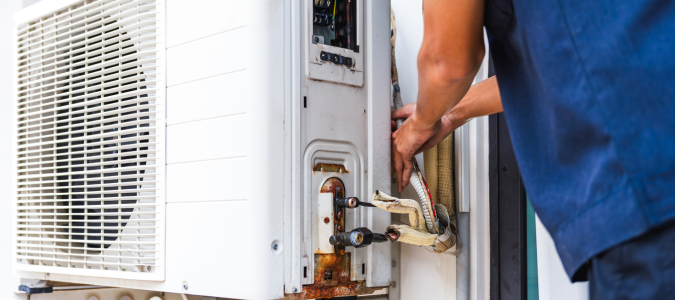
9 Common Reasons Your AC Is So Loud
A loud air conditioner doesn’t always mean the same thing. Sometimes the sound comes from a loose part or airflow issue. Other times, it points to a component that is under strain and may fail if it keeps running that way.
Cremeans says some of the most common causes behind unusual AC noise are low refrigerant charge, a failing compressor, a bad fan motor or an electrical contactor that is sticking.
“A lot depends on what kind of sound you hear and when it happens. A bad fan motor sounds very different from a compressor struggling to start.”
1. Banging or Clanking Noises
A banging sound usually means something inside the system has come loose or isn’t moving the way it should. In some cases, that sound comes from a broken internal part, such as a connecting rod, piston pin or compressor component.
Older systems in Texas often show this kind of wear after long stretches of extreme heat, especially when the unit has been running through multiple summers with heavy demand. This is one noise that should not be ignored. Continued operation can cause more damage.
2. Buzzing Sounds
Buzzing often points to an electrical issue. Sometimes the cause is simpler, like loose hardware or debris caught near the outdoor unit. A failing capacitor, loose wiring or dirt around the condenser can all create a buzzing sound. If the noise starts when the unit tries to come on but the cooling feels weak, the electrical side of the system needs attention.
It is worth checking for leaves, grass or debris around the outdoor unit first, but persistent buzzing usually needs an HVAC pro.
3. Screeching or Squealing
A high screech usually gets attention quickly because it sounds sharper than normal AC noise. In many systems, that points to worn blower motor bearings or a motor that is beginning to fail.
Older systems may also have belt-related wear, though that is less common in newer equipment. If the sound keeps happening, it’s considered urgent because motor failure can follow.
4. Rattling
Rattling often starts small. Sometimes it’s just a loose panel or screw that has worked itself loose over time. In Texas yards, debris like sticks, gravel or small acorns can also end up inside the outdoor unit and create a rattling sound when the fan runs.
Sometimes ductwork shifts slightly too, especially when metal expands and contracts during long cooling cycles. Even when the cause seems minor, it’s still worth finding where the sound starts before it gets worse.
5. Hissing
A hissing sound usually means air or refrigerant is escaping somewhere it should not. One common cause is a refrigerant leak, though high internal pressure or a valve problem can also create that kind of sound.
If the system is low on refrigerant, cooling often drops at the same time, and the unit may run longer without reaching the temperature you set. Because refrigerant must be handled safely and requires licensed equipment, this is not something homeowners should try to fix on their own.
6. Clicking (Constant, Not Just at Startup)
A single click when the system starts is normal. Repeated clicking that continues after startup usually points to an electrical control issue.
Sometimes the thermostat is misreading signals. Other times, a relay or contactor is beginning to fail and keeps trying to engage the system without fully starting it. If clicking becomes frequent, the electrical side of the unit should be checked before it affects other components.
7. Whistling
A whistling sound often comes down to airflow. In many homes, the first thing to check is the air filter because a clogged filter can force air through a smaller space and create noise.
Duct leaks or high static pressure inside the system can also cause whistling, especially if certain rooms sound louder than others. This is where filter condition matters, which is why understanding MERV rating helps when choosing a replacement filter.
8. Loud Outdoor Unit
When the outdoor unit suddenly sounds louder than usual, the cause is often mechanical. A compressor that is aging, a fan motor under strain or vibration against the concrete pad can all increase sound outside.
Improper installation can make that worse because even small vibration gets amplified through the pad or framing nearby. If outdoor noise keeps increasing over time, it often means a major component is wearing down.
9. Booming or “Hard Start” Noise
A booming sound at startup usually means the compressor is struggling to turn on smoothly. Sometimes the system needs a hard start kit to reduce electrical strain and help the compressor start with less force. Without that, the startup can sound heavy and abrupt.
This is one of the louder warning signs because compressor strain tends to get worse, not better, once it starts happening.

Why AC Units in Texas Homes Tend to Get Louder Over Time
Even a well-maintained system can sound different after years of heavy use. In Texas, that shift often happens sooner because air conditioners run longer, cycle harder and deal with more outdoor stress than systems in milder climates.
Longer Cooling Seasons
In warm places like Texas, AC systems often run for much more of the year than they do in cooler parts of the country. Long cooling seasons mean more hours on motors, compressors and moving parts.
That steady use adds up. A system that runs day after day through long stretches of heat simply wears faster than one that gets long breaks between seasons.
Extreme Heat Stress
When outside temperatures stay high, the compressor works harder to move heat out of the home. That extra strain affects several parts of the system, especially during the hottest part of the afternoon when demand is highest.
Over time, that kind of load can make components louder as they age, especially if maintenance hasn’t been done.
Dust, Pollen and Debris
Outdoor units in Texas collect more than people realize. Dust, pollen, grass clippings and yard debris can slowly build around coils and fan areas. This changes airflow and makes the unit work harder.
Along the coast, wind-driven debris can make that worse, especially if the outdoor unit is close to landscaping. Restricted airflow is one of the most common answers to why an air conditioner freezes up in the first place.
Slab Foundations and Vibration Transfer
Many Texas homes are built on slab foundations, and that can make vibration feel louder than expected. A unit that vibrates against a pad or nearby framing can send sound through walls or floors, even when the actual mechanical issue is still small. Sometimes what feels like a major sound indoors starts with a minor vibration outside.
Can I Fix a Loud AC Myself?
Some AC noises come from simple things a homeowner can check in a few minutes. Others involve electrical parts, refrigerant or components that shouldn’t be handled without training.
Disclaimer: A good rule is this: if the sound clearly connects to airflow or something visible around the unit, start there. If the noise sounds mechanical, electrical or sharp, it’s better to stop guessing.
DIY Checks
A few basic checks can rule out common causes before calling for professional help:
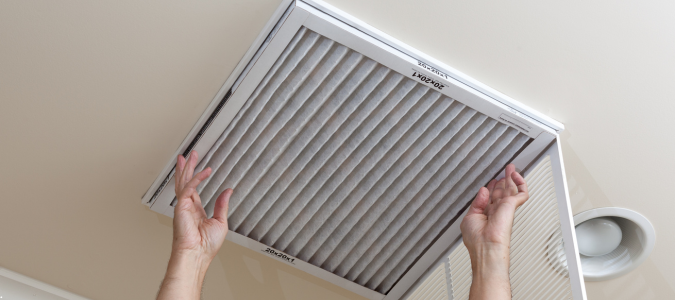
- replace the air filter if it looks dirty or it has been more than 3 months
- clear leaves, grass or debris from around the outdoor unit
- tighten accessible screws on exterior panels
- check for loose vent covers inside the house
A dirty filter is often overlooked, but restricted airflow changes how a system sounds and can also trigger issues like a thermostat flashing “cool on.”
What NOT to Attempt
Some repairs should stay off of a homeowner’s list:
- electrical repairs inside the unit
- refrigerant handling
- compressor disassembly
- motor replacement
Refrigerant systems are pressurized, electrical components can stay energized even when the unit is off and compressor repairs require specialized tools. If the sound points in that direction, it’s time to have an HVAC technician handle it.
What Our Customers Say
“AC not cooling. Called ABC @ 1:30 pm.
George arrived, diagnosed, repaired the AC within 2 1/2 hrs.
George was prompt, courteous & professional. Nice young man, good technician.”
— Tim C.
When a Loud AC Means You Should Call a Professional
Some noises can wait long enough for a filter check or a quick look around the outdoor unit. Others should not be left running for days. If the sound comes with other warning signs, the system usually needs more than basic troubleshooting.
Watch for:
- burning smells along with noise
- weak cooling or warm air from vents
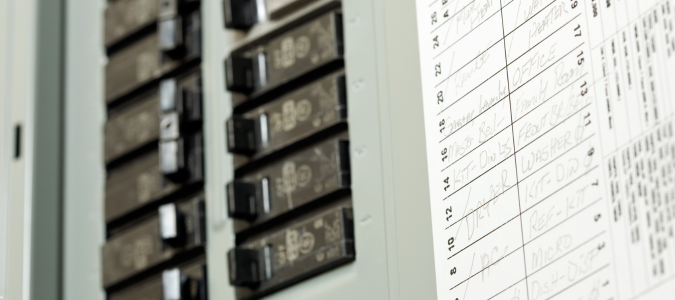
- a breaker that keeps tripping
- a system that is more than 10 to 15 years old
- noise that keeps getting louder over time
A loud system that also struggles to cool often means one issue is beginning to affect another part of the unit.
Cremeans says homeowners usually wait until comfort drops before calling, but the sound often starts first.
“A lot of times the noise is the first warning before the unit stops cooling the way it should.”
When that happens, getting it checked early often prevents a more expensive repair later.
Frequently Asked Questions
Why is my outside AC unit louder than usual?
A louder outdoor unit often points to compressor strain, fan motor wear or vibration against the pad below the unit. If the sound is new or louder than usual, it’s worth having it checked before the problem spreads.
Why does my AC make noise when it shuts off?
Some sound at shutdown is normal because pressure inside the system is balancing out. However, a louder click, boom or vibration can mean a part is wearing down or the compressor is under strain.
Should I turn off my AC if it’s making loud noises?
If the sound is sharp, metallic, burning or unusually loud, turn the system off and avoid further strain until it’s checked. A mild rattle or airflow sound may not require immediate shutdown, but it should still be watched.
What to Do If Your AC Keeps Getting Louder
If you have been asking “why is my AC so loud?”, the answer usually starts with identifying what kind of sound has changed. A louder air conditioner doesn’t always mean a major repair is around the corner, but it usually means something has changed. Sometimes it’s as simple as a dirty filter, loose panel or airflow issue. Other times, the sound points to wear inside the compressor, fan motor or electrical system that will not correct itself.
What matters most is paying attention when the sound first changes. Don’t wait until cooling drops or the system stops working altogether. In Texas, long cooling seasons put steady pressure on AC systems, so small warning signs tend to show up before larger failures.
For homeowners in Texas, ABC Home & Commercial Services can inspect unusual AC noise, identify the source and help prevent a minor issue from turning into an emergency repair. If the sound keeps coming back or the system is no longer cooling the way it should, it’s a good time to have an HVAC specialist take a closer look.