Key Takeaways
- Roach eggs are housed inside protective cases called oothecae. German oothecae hold 30 to 50 eggs each, while American oothecae hold 14 to 16.
- Finding roach eggs in your home almost always points to an active infestation — a single German female can produce 200 to 300 offspring in her lifetime.
- The most common hiding spots are kitchen cabinets, behind appliances, bathroom corners, and inside cardboard storage boxes.
- Store-bought sprays don’t penetrate ootheca casings, which is why DIY treatment usually fails to break the cycle.
- Prevention comes down to three things: moisture control, sealing entry points, and removing the food sources roaches depend on.
Cockroaches have been around for more than 300 million years — longer than dinosaurs — and they’re not going anywhere. So when you find roach eggs in your home, it’s not just a creepy discovery. It’s a warning. The presence of roach eggs almost always means roaches are nesting and breeding nearby. If you’ve spotted what you think might be roach eggs, the team of Houston cockroach exterminators at ABC Home & Commercial Services can help identify the species, eliminate them, and stop the cycle. According to the National Pest Management Association, cockroaches are also linked to asthma, allergies, and the spread of bacteria like Salmonella, Streptococcus, and Staphylococcus, which is why acting early matters.
This guide walks through how to identify the two most common types of cockroach eggs in Houston homes, how long they take to hatch, and what to do once you find them.
How to Identify German Cockroach Eggs
Of the roughly 4,500 cockroach species worldwide, only about 55 live in the United States — and just 10 to 20 of those typically live indoors with humans. German cockroaches top that list. They’re the most common indoor roach in Houston homes, apartments, restaurants, and office buildings, and they thrive anywhere warm, humid, and close to a steady food source.
German roaches are smaller than their American cousins. Adults measure about half an inch long, range from tan to light brown, and have two darker stripes running from behind the head down the back. They have wings — but unlike many other roach species, German cockroaches don’t actually fly.
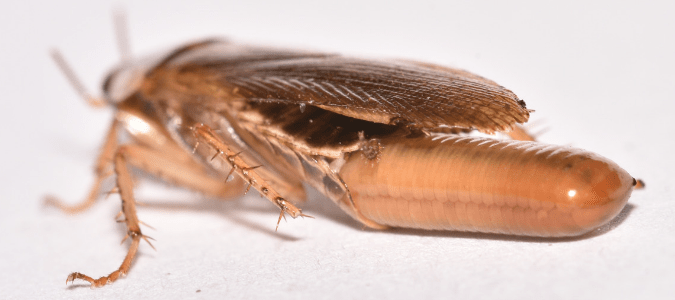
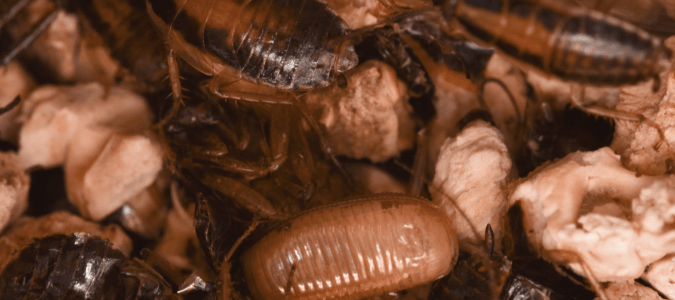
Their egg cases are just as distinct. All cockroaches lay their eggs inside a small, firm-shelled case called an ootheca. German oothecae are smaller, narrower, and lighter than American ones, usually 6 to 9 millimeters long (about a quarter-inch). Each one holds 30 to 50 eggs, which is why a single female can spiral into a major infestation fast. To complicate things, German females actually carry the ootheca attached to their abdomen until just before the eggs hatch — so you may spot a roach with what looks like a tan capsule sticking out from her body.
Because German roaches nest near food, you’re most likely to find their egg cases in kitchen cabinets, the pantry, under the fridge or stove, near bathroom sinks, in cracks along baseboards, or even tucked into folded linens inside closets. Basically — anywhere they can hide, eat, and stay warm.
For more on which species shows up where, take a look at our guide to the common types of roaches in Texas.
American Cockroach Eggs: Differences from German Cockroach Eggs
The American cockroach is the much larger cousin in this story. These are the roaches a lot of people call “waterbugs,” and they thrive both outdoors and indoors. In Houston, they often move inside during heat waves, heavy rain, or cold snaps when conditions outside push them toward shelter.
American roaches range from medium brown to a reddish-brown color and can grow up to two inches long. Their wings work — they can fly short distances — but they’re not regular fliers. Most often, they glide rather than take off, and when startled, they run.
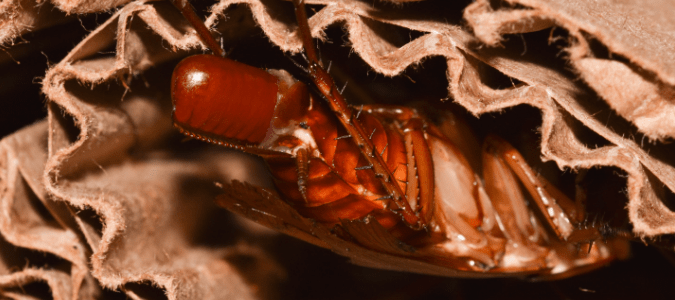
Their egg cases are bigger and darker than German oothecae. According to the University of Florida IFAS Featured Creatures, American oothecae are about 8 millimeters (roughly a third of an inch) long, brown when first deposited, and turn nearly black within a day or two. Each one holds 14 to 16 eggs. American females typically lay 6 to 14 oothecae over their lifetime, producing an average of about 150 offspring per female.

Cockroach Eggs Hatching Time
A female German cockroach lays a new ootheca about every six weeks, and the eggs take roughly four more weeks to hatch — though the female actually carries the case the whole time. Most German females produce four to eight oothecae in a lifetime, yielding 200 to 300 offspring from a single female. Yes, really.
American cockroach eggs take longer. After a female deposits her ootheca, the eggs need about six to eight weeks to hatch. Adult American cockroaches typically live around a year, with some surviving 12 to 15 months under ideal conditions.
The math is brutal either way. One pregnant German cockroach behind your refrigerator can become a full-blown infestation in a matter of months.
Cockroach Eggs Size
When people ask about cockroach egg size, they’re usually picturing the ootheca — the protective case — not the eggs themselves. German oothecae run about 6 to 9 millimeters long (roughly a quarter-inch) and are slim and tan-colored. American oothecae are about 8 millimeters long, dark brown to nearly black, and noticeably wider — almost shaped like a small purse or kidney bean. The size difference tracks with the roach itself: smaller roach, smaller egg case.
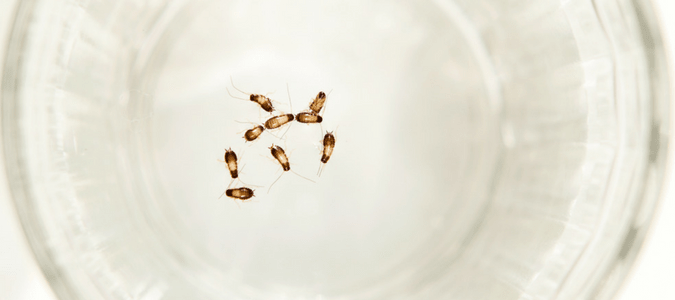
Once eggs hatch, the baby roaches (called nymphs) are tiny, white, and almost translucent before darkening into their adult color. If you’re spotting what look like miniature roaches near an egg case, that’s exactly what they are.
Frequently Asked Questions About Roach Eggs
What do roach eggs look like?
Roach eggs are tucked inside a hard, capsule-shaped case called an ootheca. Most oothecae are oval or pill-shaped, somewhere between a quarter-inch and a half-inch long, and brown to black depending on the species. They often have a ridged seam along one edge — that’s where nymphs break through when they hatch.
Do roach eggs mean I have an infestation?
Usually, yes. A single ootheca hatches into anywhere from 14 to 50 nymphs, and most homeowners only spot eggs once a population has had time to establish a hidden nest. If you’re finding multiple egg cases, the infestation is almost certainly bigger than what you can see.
Can I just throw away a roach egg case?
You can, but it won’t solve the problem. The egg case you found is one of many a female roach has likely already produced or hidden. Throwing it out doesn’t address the adults still nesting nearby or the other oothecae tucked into spots you can’t reach.
Will store-bought sprays kill roach eggs?
Mostly no. The hard outer shell of an ootheca is built specifically to protect the developing eggs from chemicals, dehydration, and predators. Even most professional-grade products struggle to penetrate it. The better strategy is to kill adults before they lay more cases and use growth regulators that disrupt the life cycle.
How long does it take for roach eggs to hatch?
It depends on the species. German cockroach eggs hatch in about 28 to 30 days. American cockroach eggs take longer — about six to eight weeks. Temperature and humidity speed things up or slow them down.
Where do roaches usually hide their eggs in Houston homes?
Warm, dark, moist spots near food and water. The most common ones are behind kitchen appliances, inside cabinets near plumbing, around bathroom baseboards, in garages, and inside cardboard boxes in attics or storage areas. Houston’s humidity makes many homes especially attractive year-round.
How long does it take to fully eliminate a roach infestation?
For a moderate infestation, plan on 30 to 90 days of treatment. The first round handles visible adults. Follow-ups target nymphs as they hatch from oothecae that the first treatment couldn’t reach. Skipping follow-ups is the single biggest reason DIY attempts fail.
Roach Eggs: One Common Sign of a Cockroach Infestation
Finding cockroach eggs in your kitchen, pantry, bathroom, or cupboards almost always means more roaches are nesting close by. Here are the other signs to watch for:
- Cockroach sightings, living or dead. Daytime sightings are especially telling — roaches are nocturnal, so seeing them during the day suggests the population has outgrown its hiding spots.
- Roach feces that look like tiny dark-brown or black specks are scattered along shelves, walls, and inside drawers.
- A musty, oily odor. It’s distinct, and it tends to get stronger near an active nest.
- Shed skins. As nymphs grow, they molt — leaving behind brown, papery exoskeletons in corners and under appliances.
- Damaged paper goods. Cockroaches will chew through cardboard, books, and even electrical wiring insulation when food is scarce.
If you’re trying to figure out how the problem started, our breakdown of what causes cockroaches in Houston homes covers the most common entry points and conditions.
A lot of homeowners try DIY first — gels, baits, sprays, foggers. Sometimes that’s enough for a couple of stragglers. But foggers can actually scatter roaches deeper into wall voids, and most over-the-counter products don’t reach the egg cases at all. Households with kids and pets also tend to face safety concerns about retail pesticides.
Beyond chemical treatment, a clean kitchen and dry plumbing go a long way. Fix leaks. Sweep up crumbs. Don’t leave pet food out overnight. Roaches need water more urgently than food, so cutting off their access to moisture is one of the most effective things a Houston homeowner can do.
ABC Can Eliminate Your Cockroach Problem
If the roach problem has moved past what store-bought products can handle, ABC Home & Commercial Services can help. ABC’s QualityPro-certified technicians build a custom plan that targets the adults nesting inside your home, the egg cases hidden in wall voids and cracks, and the entry points letting more roaches in from outside. The treatment methods are low-impact for kids and pets, yet tough enough to break the breeding cycle.
Quick perspective: cockroaches play a real role in nature as decomposers, breaking down dead plant matter and returning nutrients to the soil. Outside, they’re useful. Inside a Houston home, they’re a health hazard and a source of stress. If your house is fighting German roaches, American roaches, or any other species, it’s time to bring in the pros. ABC’s Houston pest control services include a full inspection, targeted treatment of both adults and oothecae, and follow-up monitoring to ensure nothing comes back. Schedule a service today and get your roach-free home back.