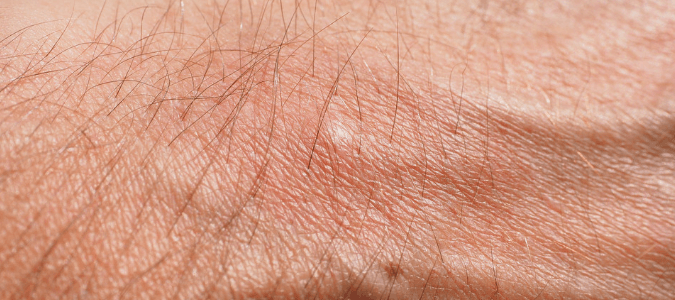
Unless you live inside an air-conditioned bubble, you’re likely to find yourself scratching your skin at some point throughout the year as you come into contact with different varieties of biting insects. Both indoors and outdoors, and especially during the summer, you might have run-ins with fleas, mosquitoes, horse flies, black flies, or even—shudder—bed bugs. Bed bugs can be very difficult to get rid of, so finding suspicious, itchy welts on your skin can cause momentary panic as you try to figure out the culprit. Fortunately, it’s relatively easy to tell the difference between bed bug bites and mosquito bites or the bites of other insects, as long as you know what to look for. Read on to learn about various insect bites and the signs and symptoms indicating which pesky pest has taken a chomp out of you.
Mosquito Bites Vs. Flea Bites
Here’s the good news: Most common insect bites are harmless to humans and should heal quickly without any special treatment. That may not be helpful information at the moment, though, if you’re having mysterious itchy bites with no idea where they came from. Waking up in the morning, scratching at irritated welts on your body can be an especially alarming experience. You might immediately suspect bed bugs, but the truth is that mosquito bites and flea bites are far more plausible culprits. This is especially true if you’ve slept in your bed at home. Unless you’ve just returned from traveling and some unwelcome bed bugs hitched a ride in your luggage, it’s less likely that your home has spontaneously developed a bed bug infestation. When you think more about where bed bugs come from, you realize that it’s much more likely that mosquitoes or fleas are present and may even be breeding indoors.
If you suspect bed bugs, however, it’s a good idea to thoroughly check your sheets, mattress, and surrounding areas, or better yet, to call a pest control exterminator to assess the situation. Even if bed bugs are not the issue, a mosquito or flea infestation in your home presents its own problems. Both mosquitoes and fleas can transmit diseases to humans and pets, and either insect living indoors is a distinctly undesirable situation that should be addressed as thoroughly and quickly as possible.
Before you can tackle getting rid of your insect issue, however, you first have to identify which bug bit you in the first place. Here’s what to look for when you’re trying to determine whether you have mosquito bites or flea bites:
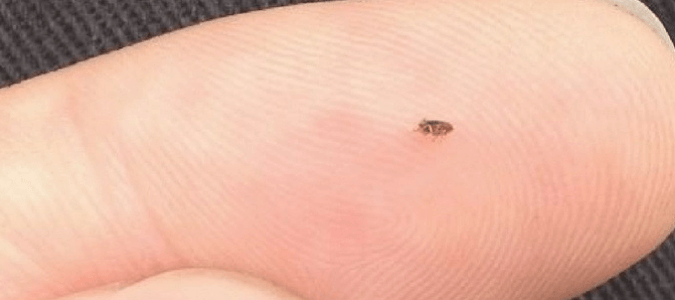
Mosquito bites can appear anywhere on the body where the skin is exposed, while flea bites are most likely to appear on the ankles and lower legs. A mosquito may bite you only once or twice, while flea bites often appear in clusters of several bites. When mosquitoes are in your bedroom or living space, you can often see them flying through the air, feel the tickle of their tiny bodies on your skin, or hear their telltale whine as they fly past your ear. When fleas are present, you may feel a tiny tickle on your skin as they jump onto you. You might also see a speck of black pepper on your foot or ankle or spot “flea dirt” (flea feces—yuck!) in your pet’s bed or fur, on your furniture, or wherever the fleas spend lots of time.
While both mosquito and flea bites are itchy, flea bites are more likely to show up as more minor, flat, red circles on your skin, while mosquito bites are more likely to leave more prominent, raised, pinkish welts that may be hot to the touch.
For any fresh bite, the first step is the same no matter which pest caused it: wash the area with soap and cool water to reduce the risk of infection, then apply a cold compress for ten to fifteen minutes to take down swelling. Flea and mosquito bites can then be treated with at-home, over-the-counter remedies to reduce itching. Hydrocortisone cream and calamine lotion are particularly effective; many also swear by specific home remedies such as applying ice packs, honey, or even toothpaste to soothe the bites. If the itch is severe, an over-the-counter oral antihistamine often works better than topical creams alone. Whatever kind of itchy bites you have, it’s essential to scratch them as little as possible. While most insect bites are harmless, rubbing them can break the skin, leaving you vulnerable to secondary infections that can potentially become quite serious.
Mosquito Bites Vs. Spider Bites
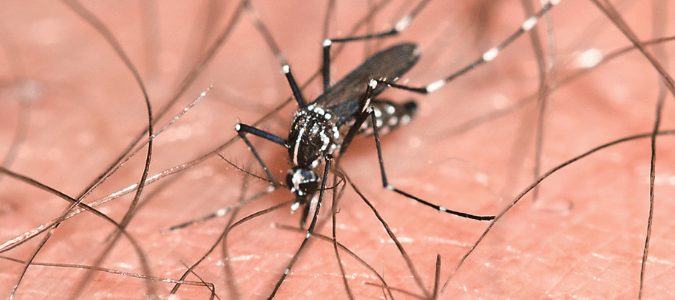
If you suspect a spider has bitten you, you could feel very worried, and for a good reason: Most spider bites are essentially harmless to humans, but certain types, such as a bite from a brown recluse or a black widow, can be severe. Fortunately, several critical differences between mosquito and spider bites will help you determine the type of bite you’re most likely to have. First, mosquito bites tend to be itchy but not painful, whereas spider bites are the opposite—they rarely itch, but they are usually painful, and the pain may increase over minutes or hours. Larger spiders like widows may leave visible puncture marks at the bite site, though most spider fangs are too small to leave clearly visible marks; meanwhile, mosquito bites never leave puncture marks. While both spider and mosquito bites typically cause swelling at the bite site, spider bites may also cause other symptoms such as nausea, joint pain, or dizziness. In contrast, mosquito bites rarely cause anything more than itching and redness. If you suspect you may have been bitten by a spider, and especially if symptoms of the bite worsen rather than improve after 24 hours, it’s a good idea to check in with your doctor.
In rare cases, anyone can develop a severe allergic reaction to an insect bite — symptoms include difficulty breathing, swelling of the face or throat, rapid heartbeat, or hives spreading beyond the bite site. This is a medical emergency regardless of which pest caused the bite. Call 911 or go to the nearest emergency room immediately.

Mosquito Bites In Bed At Night
One of the best ways to prevent mosquito bites is to stay inside at dawn and dusk when mosquitoes are most active. If you do spend time outdoors, wear long pants and long sleeves, and apply bug spray to exposed skin. It’s also essential to ensure the window screens and door seals on your home are tightly fitted, and to drain any standing water in your indoor and outdoor living areas so mosquitoes won’t have good spots for breeding.
Even if you do the above, you might still encounter mosquitoes inside your home. How? They could slip inside when you briefly open the door to enter or exit, or they can even breed indoors if you have a bit of standing water somewhere. Mosquitoes can reproduce in as little as a teaspoon of water, and it’s possible to have standing water indoors without realizing it, such as in the U-joint under a bathroom sink, a pet’s water bowl, or the dirt of a potted plant.
In Florida — and Orlando in particular — two species are responsible for most indoor mosquito bites: Aedes aegypti (the yellow fever mosquito) and Aedes albopictus (the Asian tiger mosquito). Both species breed in tiny containers of standing water, are active year-round in Central Florida’s warm climate, and bite aggressively during daylight hours rather than just at dawn and dusk. That’s one reason Florida residents tend to get bitten indoors more often than people in cooler parts of the country — these types of mosquitoes in Florida don’t follow the usual “only at dusk” rule.
Unfortunately, all this means waking up in the morning with itchy bites on your skin is entirely possible. Bed bugs may be the first thing that comes to mind, as these pests have become an epidemic throughout the United States and the world. Still, most people do not have bed bug infestations in their homes, so how can you know whether you’ve been bitten overnight by a mosquito, a bed bug, or something else entirely?
How To Tell Bed Bug Bites From Other Bites
One way to tell you’ve been bitten by a bed bug rather than a mosquito or a flea is that bed bug bites tend to appear in rows of small, red, itchy bumps. This is because bed bugs take their first bite to feed on your blood before crawling a few millimeters to a fresh spot, where they take a second bite to feed on more blood, then walk another tiny distance and bite again, and so on. The appearance of three red, itchy spots in a row is a hallmark sign of bed bug bites, often called the bug’s “breakfast, lunch and dinner.” Like bed bugs, fleas may also bite you several times in the same area, but their bites are more likely to appear in a random scattering or cluster rather than in straight lines. Furthermore, flea bites aren’t expected to cause the blisters that bed bug bites often result in. Bed bug bites are also typically far itchier than either flea or mosquito bites.
Still not sure what you’re dealing with? A closer look at how to know if you have bed bugs walks through the physical evidence to check for beyond the bites themselves, and the EPA’s bed bug information hub offers identification resources worth reviewing before acting.
How to Avoid Bed Bugs in the First Place
Since Orlando hosts more hotel stays than almost any city in the country, bed bug prevention here starts with travel. A two-minute check on arrival catches most infestations before they come home in a suitcase. Pull back the sheets and inspect the mattress seams, box spring, headboard, and the wall near the bed for dark, pepper-like spots, rust-colored stains, or shed skin.
After traveling, unpack luggage directly into the washer on the hottest cycle the fabric allows, and vacuum suitcases thoroughly before storing them. Secondhand mattresses and upholstered furniture are the second most common way infestations start, so inspect every seam, cushion crease, and screw hole before bringing used pieces inside.
And if something does slip through? The earlier an infestation is caught, the easier it is to treat — which is why recognizing bed bug bites quickly (and not dismissing them as mosquito bites) genuinely matters.
ABC Can Banish Those Biting Bugs From Your Home
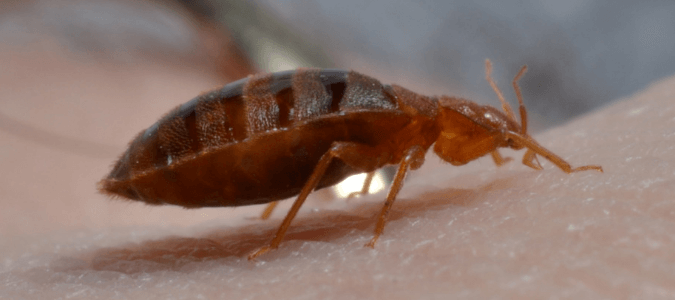
If you think you may have bed bugs, you can first do a visual scan of your mattress, bedding, and nearby areas to see if you can spot any signs. Signs of a bed bug infestation include the presence of the insects themselves (which are usually small, dark-brown, oval-shaped, and flat—something like a small apple seed) as well as tiny blood stains on your sheets, mattress, or pillowcases, or dark or rust-colored spots on your bed or nearby walls. If you spot any of these telltale signs of bed bugs, or even if you don’t but still suspect a bed bug infestation, your next step should be to call ABC Home & Commercial Services.
An ABC inspection typically begins with a thorough visual check of mattresses, box springs, headboards, baseboards, and nearby furniture for live bugs, shed skins, or rust-colored staining. If bed bugs are confirmed, treatment usually combines targeted application of residual products with heat treatment for affected items — heat penetrates seams and cracks where chemicals can’t always reach. Most residential infestations are resolved in one to three visits, depending on severity and how quickly the problem is caught.
Our pest control exterminators have extensive experience with bed bugs and many other types of insects. A pest control specialist can conduct a thorough inspection, diagnose the problem, and then develop a plan to eliminate any critters once and for all, so you can return to enjoying your home and outdoor spaces bug-free.
Serving Orlando since 2006, the team at ABC uses QualityPro-certified methods backed by more than 75 years of family-owned expertise to identify, treat, and prevent every biting pest on this list. Request a free estimate online or call ABC’s Orlando office directly at (407) 265-0665.
Frequently Asked Questions
Q: How can I tell the difference between bed bug bites and mosquito bites? A: Bed bug bites typically appear in straight rows or clusters of three (often called the “breakfast, lunch, and dinner” pattern) on skin exposed during sleep, and they are intensely itchy. Mosquito bites are usually single, raised, pink welts that itch for a day or two and fade on their own.
Q: Do bed bug bites itch more than mosquito bites? A: Generally, yes. Bed bug bites tend to be significantly itchier and longer-lasting than mosquito bites, especially in people sensitized to them. Reactions do vary by person, though — some people have minimal itching while others develop intense welts.
Q: Can bed bug bites look like mosquito bites? A: They can, especially when they first appear. The distinguishing feature is the pattern: a single random bite is more likely a mosquito, while three or more bites in a tight line or zigzag points to bed bugs.
Q: Do bed bugs bite every night? A: Not necessarily. Bed bugs typically feed every five to ten days, so bites appearing on new areas of the body over the course of a week can be a stronger infestation signal than bites appearing every single morning.
Q: How long do mosquito bites last compared to bed bug bites? A: Most mosquito bites fade within a few days. Bed bug bites can remain itchy and visible for a week or two, and longer if scratched or if they become infected.
Q: Should I see a doctor for bed bug or mosquito bites? A: Most bites don’t require medical attention. See a doctor if you develop hives, blistering, difficulty breathing, fever, or if a bite looks infected (expanding redness, warmth, pus).
Q: Where on the body do bed bugs typically bite? A: Bed bug bites usually appear on skin exposed during sleep — arms, shoulders, neck, face, and legs. Bites in a straight line or zigzag pattern along a single area (for example, three bites marching down a forearm) are a classic bed bug signature.
Q: Can you see bed bugs with the naked eye? A: Yes. Adult bed bugs are roughly the size and shape of an apple seed — about five to seven millimeters long, flat, and reddish-brown. Juveniles are smaller and lighter in color, and eggs are pinhead-sized and white. All three stages are visible without magnification if you know where to look.
Q: How do you get rid of bed bugs once you have them? A: Bed bug infestations are very difficult to resolve with DIY methods because the insects hide in cracks and crevices that sprays can’t reach, and their eggs are resistant to most over-the-counter pesticides. Most residential infestations require professional treatment that combines heat, residual products, and targeted inspection. Early detection makes treatment significantly easier.
Q: Can bed bugs be confused with other household pests? A: Yes. Fleas, ticks, carpet beetle larvae, and booklice are all occasionally mistaken for bed bugs. A trained exterminator can confirm the species during an inspection, which matters because treatment approaches differ significantly between pests.