A slab leak happens when pipes under your home’s foundation start to leak, and Texas homes are especially prone to them. If you notice higher water bills, warm spots on your floor or the sound of running water when nothing is on, it’s time to call in a plumber.
Is a slab leak causing severe structural damage to your home’s foundation?
A slab leak occurs when the concrete pipes beneath your home’s surface leak water. Unfortunately, slab leaks are common in Texas homes built on slab foundations. They can cause serious structural damage if left untreated.
This comprehensive guide covers what slab leaks are, their causes, warning signs, how they’re repaired and more. It also features expert insights from Michael Marugo, Plumbing Operations Manager at ABC Home & Commercial Services, who has both his Journeyman Plumber and Master Plumber licenses.

What Is a Slab Leak?
Marugo explains, “A slab leak is when a pressurized water line that runs underneath your home begins to leak. In the early days, we had galvanized piping running underneath homes, and they’re at this point, they’re old enough that those pipes are finally failing.”
Slab leaks occur when water pipes under the concrete slab develop leaks. The pipes may be copper, PVC or galvanized steel. Slab leaks are more common in older homes that were built in the 1960s to 80s because the pipes have aged.
Homes built on concrete slab foundations and homes without basements, which are common in Texas, are the most likely to develop slab leaks.
There are a few reasons why pipes are installed underneath the home’s slab. First, it’s cost-effective and eliminates the need for basements or crawl spaces. It also allows water lines to be routed directly into the home’s bathrooms, kitchens and laundry rooms.
It’s important to note that a slab leak is not the same thing as a minor plumbing leak. A plumbing leak occurs in visible areas of the home, such as under your bathroom sinks or behind a wall. These leaks are easier to detect and repair than slab leaks, which occur below the home’s foundation and can cause major structural damage.
Why Slab Leaks Are Common in Texas Homes
According to Marugo, there are two main reasons why slab leaks are common in Texas homes, including:
- The pipe materials, including copper and galvanized steel, can have an adverse chemical reaction to the minerals in Texas soil.
- Texas’s ground is always moving rather than remaining solid, which means that the dirt underneath your home’s foundation is always moving.
Expansive Clay Soil and Soil Composition in Texas
Texas soil expands and contracts with moisture changes. This constant movement puts pressure on the pipes beneath the concrete slab. In many regions of Texas, the climate often cycles between heavy rainfall and droughts, which can cause significant soil movement.
Soil Composition and Hard Water Corrosion
For homes with copper pipes, the excess minerals in Texas soil and water can cause corrosion over time. If your home is older, the slab leak could be due to corroded copper pipes.
Slab Foundations Are the Most Common Foundation Type in Texas
Most Texas homes built after the 1960s use slab foundations because they’re cost-effective and faster to build. Slab homes are also ideal for Texas’s warm climate because the slab helps keep the home’s interior cooler.
What Causes a Slab Leak?
Pipe Corrosion
There are three main reasons that pipes underneath the slab become corroded:
- Chemical reactions in the soil slowly cause degradation
- High mineral content in Texas water accelerates corrosion
- The pipes are aged and more vulnerable to damage
Foundation Shifting
As Texas soil expands and contracts, your home’s foundation can shift, which puts pressure on your pipes and can cause them to leak, crack or break. Even regular seasonal changes can put extra stress on your pipes.
Poor Installation
If your pipes were improperly placed, they’re likely not well supported beneath the slab. Sometimes, poor placement causes pipes to rub up against the concrete, which can cause leaks.
High Water Pressure
High water pressure can put strain on your pipes, weakening them over time and leading to leaks.
Signs You May Have a Slab Leak
Marugo shares: “There’s a couple of things to look out for. Obviously, any water where it shouldn’t be is a sign of concern, really high water bills, and if you’ve done the basic stuff like you’ve made sure all your hose bibs aren’t leaking, and you fix your toilets so they’re not running, and yet you’re still losing water. That can be a sign of a slab leak.”
Sometimes, you can feel a slab leak happening beneath your floor. For example, if you’re standing at your kitchen counter and feel warmth beneath your feet, it could be due to a slab leak.
Other signs of a slab leak include:
- An unexplained increase in your water bill
- The sound of running water when pipes aren’t in use
- Cracks in the flooring or walls
- Mildew smells
- Water is pooling around the foundation
How Slab Leaks Are Detected
According to Marugo, plumbers can detect slab leaks with a few expert tools, such as listening devices, injecting gases and using thermal imaging. The method they use to detect a leak depends on several factors, including your home’s age, layout and your particular scenario.
Electronic Leak Detection
This is the most common modern approach to detecting slab leaks. It includes using acoustic listening devices that pick up the sound of water escaping under pressure and specialized underground microphones that amplify the sound of water.
Thermal Imaging
Thermal cameras can detect temperature changes in your flooring to locate a slab leak. For example, it can locate an area of your floor that’s warmer or cooler than other nearby areas due to water leaking beneath it. Many times this option is chosen because it’s non-invasive.
Pressure Testing
A pressure test can confirm a slab leak and narrow down which section of your home’s plumbing is affected. The leak is identified by a loss in pressure within a specific segment of the plumbing.
How Slab Leaks Are Repaired
Marugo explains his approach to slab leak repairs: “What I really want to find is the origin and destination of the line that’s leaking. I don’t want to just chop through your floor and fix a small section of pipe, because if the system is old or shifting, you’re likely to get another leak nearby soon after.”
There are three main professional methods to repair a slab leak:
- Spot repair
- Pipe rerouting
- Epoxy pipe coating
Let’s dive into each of these.
Spot Repair
A spot repair is when the plumber gains direct access to the leaking pipe by breaking through a section of the concrete slab. The damaged section of pipe is then removed and replaced, and the slab is patched and restored.
This method is ideal for isolated issues. However, if you have aging pipes or multiple leaks, you may need a more invasive fix.
Pipe Rerouting
For a more permanent solution than spot repairs, plumbers often go with pipe rerouting. Essentially, new plumbing lines are installed through your walls or attic. The damaged pipes beneath the slab are abandoned rather than repaired as water is directed through the new system.
According to Marugo, rerouting those lines overhead is a much better option than chopping through the floor to do a spot repair, because it reduces future risk and minimizes long-term disruption.
Epoxy Pipe Coating
Using epoxy pipe coating can restore leaking pipes rather than replacing them. The coating seals small leaks and reinforces the walls of the pipes, which can extend their lifespan. This method is used to repair deteriorating pipes without major demolition.
Can a Slab Leak Cause Foundation Damage?
There are several risks associated with slab leaks that lead to major foundation damage, including:
- Soil erosion under the slab
- Foundation settling
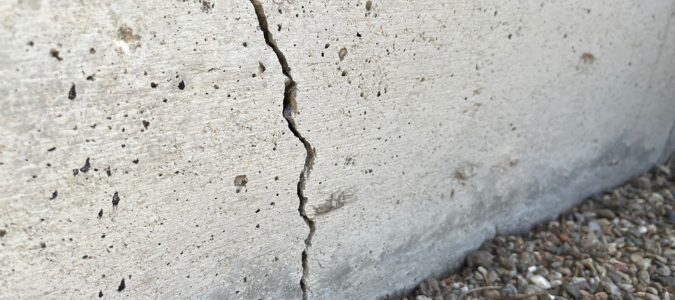
- Cracked floors
- Mildew and moisture damage
What To Do If You Suspect a Slab Leak
If you suspect a slab leak, the first thing you should do is turn off your water and check for continued meter movement. Next, keep a close eye on your water bill and monitor it for unexpected spikes. You should also inspect your flooring and walls for water damage or temperature changes.
The best thing to do if you suspect a slab leak is to call a licensed plumber. They can use speciality equipment to identify and locate a leak before it causes further damage.
If you’re also experiencing drainage issues alongside your water bill spikes, a main drain that keeps clogging could be adding to the problem or pointing to a separate plumbing concern worth investigating
How To Prevent Slab Leaks
According to Marugo, a homeowner can’t do much to prevent slab leaks because it goes back to how the home was built. However, the following may help:
- Maintain proper water pressure
- Install pressure regulators
- Schedule annual plumbing inspections
- Consider pipe upgrades for older homes
What Our Customers Say
“I’ve trusted ABC with every thing home-related for about 25 years and I’ve never been disappointed in their service.”
— Michael R.
When To Call a Slab Leak Specialist
If you notice multiple warning signs of a slab leak, it’s time to call a plumber. Additionally, if you notice visible water damage, warm flooring or foundation cracks, call in the experts for help.
Frequently Asked Questions
How serious is a slab leak?
Can a slab leak stop on its own?
Does homeowners’ insurance typically cover slab leaks?
Do Not Wait to Deal With a Slab Leak
It’s important to remember that slab leaks are plumbing leaks beneath foundations, and they can cause extensive damage. The best way to reduce risk and prevent costly repairs is to detect a slab leak early and take action. Keep in mind that Texas homes are particularly susceptible to slab leaks.
If you notice any signs of a slab leak, schedule a professional leak inspection to protect your home and foundation.