ABC Blog

Florida Carpenter Ants: Controlling An Infestation

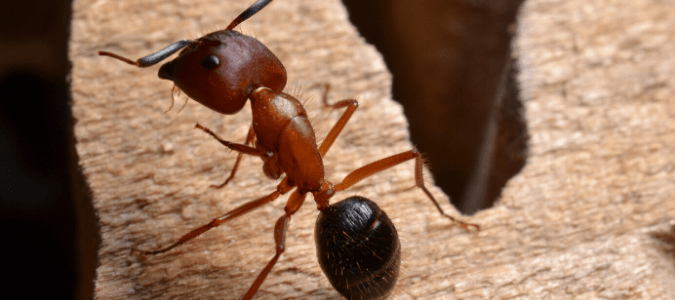
Florida carpenter ant on damaged wood

How to Get Rid of Florida Carpenter Ants

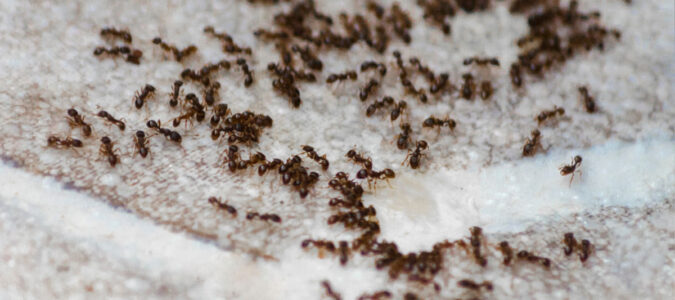
Orlando homeowners searching for pest control solutions often discover carpenter ants after noticing tiny piles of sawdust along baseboards or in attic crawl spaces. Learning how to get rid of carpenter ants starts with proper identification—confirming that the insects are actually Florida carpenter ants, not termites or another species.

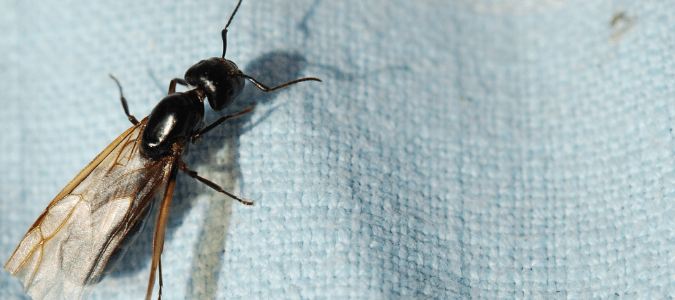
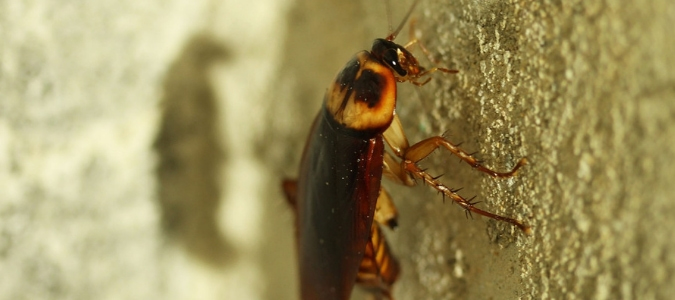
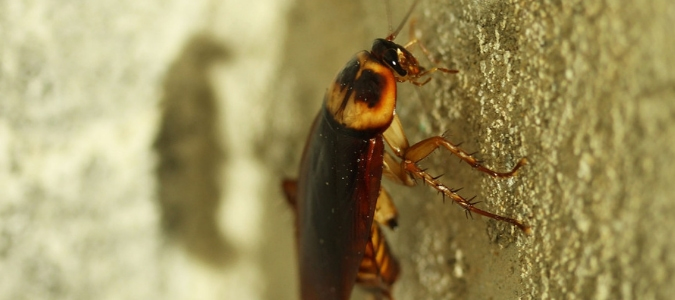
Florida carpenter ants have a brown to rusty orange-colored head and thorax, with the bottom half of their bodies being black. This ant grows a circular ring of golden hairs around its abdomen. Antennae are bullet-shaped and segmented into 12 parts. Workers measure in at about a quarter of an inch to a half of an inch in length, while winged swarmers and the queen can reach up to three-quarters of an inch long.

If the ants on a … Read Full Post »

How To Tell if Termites Are Active

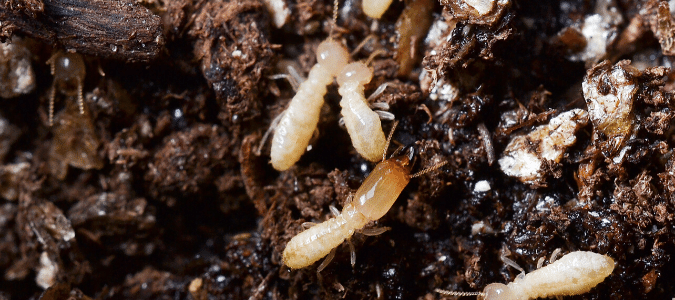
white termites in soil

Key Takeaways

  • Fresh mud tubes indicate activity — Moist, soft mud tubes that get repaired after breaking signal an active subterranean termite colony. Dry and crumbly? Old damage.
  • The mud tube test works — Break off a small section and check back in 2-3 days. If it’s rebuilt, they’re still using that pathway.
  • Clicking sounds reveal colonies — Soldier termites bang their heads against wood when disturbed. You might hear faint clicking inside walls at night.
  • Swarmers indoors = established colony — Finding winged termites inside your home means a mature colony’s already there. That’s a red flag.
  • Fresh frass confirms drywood activity — Tiny pellet-shaped droppings near wooden items? They’re actively feeding. Time to act.
  • Old damage looks different — Brittle … Read Full Post »

What Do Baby Termites Look Like?

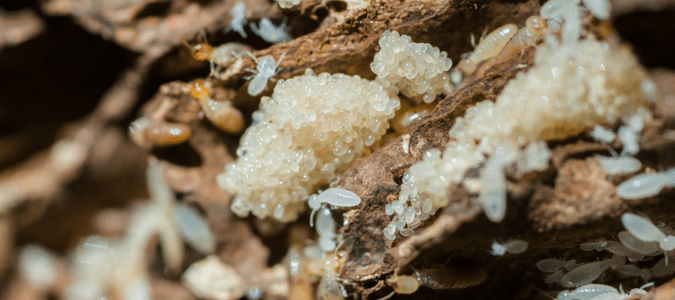
what do baby termites look like

Any homeowner who has seen small, winged, ant-like insects in or around their home has probably wondered, What do baby termites look like? It’s wise to worry about a possible termite infestation, as these insects are a severe problem if they infest your home, garage, or other structure. They can cause thousands of dollars worth of damage to your property.

In fact, termites cause more than $5 billion in property damage across the United States every year. Clearly, a savvy homeowner should know how to identify termites. Telling these creatures apart from winged ants, for example, or any other look-alike insect species, however, can be challenging. Many of us know what these insects look like in their adult form, but what about termite larvae? Read on to learn about baby termites, the termite life cycle, the swarming season, and how to keep these dangerous pests away from your most significant … Read Full Post »


Signs of Termites in Houston Homes: The Complete Detection Guide

Key Takeaways

  • Mud tubes on foundation walls are the clearest sign of subterranean termite activity—check shaded areas and near plumbing penetrations.
  • Common signs of termites in your house include hollow-sounding wood, stuck doors/windows, and unexplained wall damage—all can indicate hidden infestations.
  • Houston’s climate supports year-round termite activity—Eastern subterranean, Formosan, and drywood termites all threaten local homes.
  • Swarmers (winged termites) emerging indoors signal that a mature colony already exists in or near your home.
  • Annual professional inspections remain the most effective prevention—catching infestations early saves thousands in repair costs.

Here’s a number that should make every Houston homeowner pay attention: termites cause more than $5 billion in property damage across the United States every year, according to the National Pest Management Association. And Texas? The state sits right in the thick of it. The warm, humid climate creates the perfect breeding ground for these wood-destroying insects, and Houston homes face threats from multiple termite species year-round.

The … Read Full Post »

Signs of Rodent Infestation After a Freeze

Signs of Rodent Infestation After a Houston Freeze — Here’s What Houston Homeowners Should Know

Hard freezes don’t hit Houston very often. But when they do, something predictable happens about a week later: homeowners start noticing signs of rodent infestation. Scratching in the attic. Scratching in the attic at odd hours. Droppings in the garage that weren’t there before. Chew marks are showing up in places you’d never expect.

The freeze itself isn’t when people notice. They’re too busy worrying about pipes and staying warm. It’s afterward—once life goes back to normal—that the evidence shows up. If you’re dealing with this right now, you’re not alone. And if you haven’t seen anything yet, this is actually the perfect window for rodent control before another cold snap rolls through.

What Makes Freezes So Bad for Rodent Problems

Rats and mice do just fine outdoors most of the year in Houston. They burrow under … Read Full Post »

What To Do About Mice in Walls

a brown mouse

Scurrying, squeaking or scratching noises in the walls at night typically means one thing; rodents. The 2021 American Housing Survey, conducted by the U.S Census Bureau, reveals that almost 15 million homes in the U.S. reported rodent sightings last year.

Mice and other rodents aren’t just a danger to your walls, wiring and insulation either.

The saliva, urine and feces of mice or rats can spread a host of deadly diseases to humans and pets.

Common Signs of Mice in Walls

Mice can be noticeable house guests, leaving droppings and gnaw marks behind as they search for food and shelter.

These signs can not only indicate their presence in your home but help narrow down the specific areas they’re regularly invading. If you find shredded packaging, food remains or droppings in your pantry, it’s a sure sign that mice are helping themselves to your food.

Scattered bits of insulation, cardboard or plastic wiring are a good … Read Full Post »

DIY Pest Control Solutions: Pros and Cons

Home Pest Control Solutions

DIY Pest Control Solutions: Pros and Cons

Pest control is critical to maintaining a safe and healthy home environment. Common household pests, such as ants, spiders, cockroaches, termites, rodents, and wildlife, can cause significant damage and pose health risks.

While professional pest control services offer comprehensive solutions to these pest problems, many homeowners consider tackling pest issues on their own. However, it’s important to be aware of the additional cost that may arise if DIY methods are ineffective or if the bug problem worsens.

Professional service may provide more thorough treatment and protection for your family and home, addressing not only common pests but also issues like bees and other challenging infestations.

Understanding DIY Home Pest Control Solutions

DIY pest control involves using over-the-counter products and homemade remedies to manage and eliminate pests. These solutions range from traps and baits to natural deterrents and chemical sprays and can also include … Read Full Post »

The Importance of Regular Pest Inspections for Homeowners

The Importance of Regular Pest Inspections for Homeowners

As a homeowner, maintaining your property goes beyond just cleaning and repairs. One critical yet often overlooked aspect of home maintenance is regular pest inspections. Pests can wreak havoc on your home, posing health risks, causing structural damage, and leading to expensive repairs. This article explores the importance of regular pest inspections, the benefits they offer, and the best practices to ensure a pest-free environment.

Pest infestations can cause significant damage to your property. Termites, for example, can compromise the structural integrity of your home, while rodents can gnaw through electrical wires, creating fire hazards. Early detection and pest control measures are essential to prevent pest infestations from escalating into more severe problems.

Regular pest inspections can help property owners save money by identifying issues before they become major concerns. Addressing a small pest infestation early on is much more cost-effective than dealing with … Read Full Post »

How to Create a Wildlife-Friendly Garden

Wildlife-Friendly Garden

How to Create a Wildlife-Friendly Garden

Creating a wildlife-friendly garden is a rewarding endeavor that enhances your outdoor space while supporting wild creatures. By incorporating local flora, providing protection, and creating diverse habitats, you can transform your outdoor space into a sanctuary for birds, pets, and other nature wild creatures. A well-designed wildlife garden not only beautifies your surroundings but also contributes significantly to the health of your local ecosystem.

This comprehensive guide will walk you through the steps to create a thriving wildlife habitat in your outdoor space, ensuring that it becomes a haven for various forms of nature and wild creatures. From feeding birds and supporting natural varieties to providing food for other insects and slow worms, you’ll learn how to make your garden wildlife-friendly.

By growing natural varieties, you create natural habitats that cater to the needs of wild creatures. Local Flora are crucial as they provide … Read Full Post »

How to Prepare Your Pool for Winter: A Step-by-Step Guide

Winter Pool Preparation

How to Prepare Your Pool for Winter: A Step-by-Step Guide

Thoroughly Clean Your Pool Before Winter

As the temperatures drop and the swimming pool season comes to a close, preparing your pool for winter is essential to ensure it remains in excellent condition for the next season.

Properly winterizing your above-ground pool or inground pool helps prevent damage caused by freezing temperatures, reduces maintenance in the spring, and prolongs the life of your pool. This comprehensive guide will walk you through the steps to winterize both above-ground pools and in-ground pools, ensuring your pool is ready for the off-season.

Start with a thorough cleaning to remove debris and ensure a clean pool. For saltwater pools, adjust the water chemistry with pool shock and add shock to kill algae and bacteria growth.
Next, lower the water level to just below the skimmer and ensure you remove the remaining water from the pool pipes … Read Full Post »