ABC Blog

Cyanuric Acid in Your Pool: Why It Matters and How to Fix It

Key Takeaways

  • Cyanuric acid (CYA) acts like sunscreen for pool chlorine — without it, UV destroys half of unprotected chlorine in just 17 minutes.
  • The Pool & Hot Tub Alliance ANSI standard sets the ideal CYA range at 30–50 ppm for traditional chlorine pools and 60–80 ppm for salt water pools.
  • Cyanuric acid is not the same as muriatic acid. Muriatic acid lowers pH; CYA protects chlorine from sunlight.
  • Low CYA means chlorine burns off fast, leading to algae and cloudy water. High CYA causes chlorine lock, where chlorine reads fine on tests but can’t effectively sanitize.
  • The only reliable way to lower CYA is to drain and dilute — it does not evaporate or break down.
  • Most pools drift into high CYA because Trichlor chlorine tablets are 50–55% cyanuric acid by weight.

Introduction

Clear pool water doesn’t always mean safe pool water. Many Houston pool service customers test chlorine, pH, and alkalinity faithfully every week … Read Full Post »
Roach Eggs: How to Identify, Treat, and Prevent an Infestation

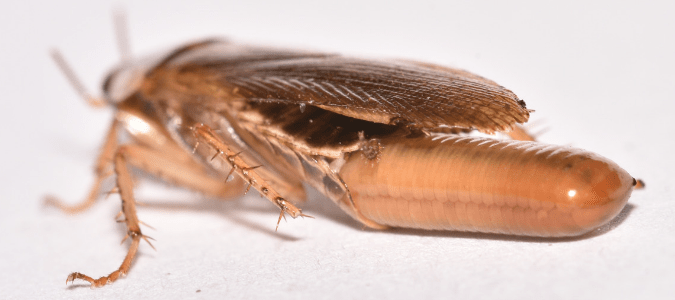
Roach eggs

Key Takeaways

  • Roach eggs are housed inside protective cases called oothecae. German oothecae hold 30 to 50 eggs each, while American oothecae hold 14 to 16.
  • Finding roach eggs in your home almost always points to an active infestation — a single German female can produce 200 to 300 offspring in her lifetime.
  • The most common hiding spots are kitchen cabinets, behind appliances, bathroom corners, and inside cardboard storage boxes.
  • Store-bought sprays don’t penetrate ootheca casings, which is why DIY treatment usually fails to break the cycle.
  • Prevention comes down to three things: moisture control, sealing entry points, and removing the food sources roaches depend on.

Cockroaches have been around for more than 300 million years — longer than dinosaurs — … Read Full Post »

I Have Tiny Black Mosquitoes in My House

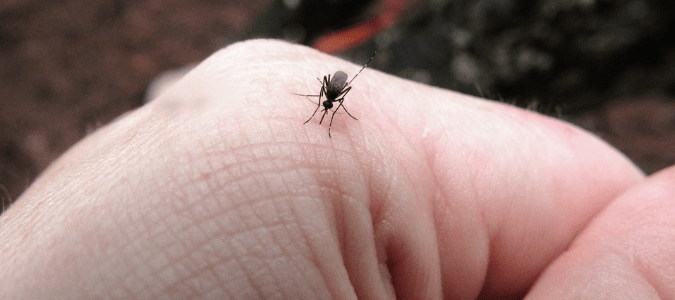
a tiny black mosquito biting someone

Key Takeaways

  • Those tiny black mosquitoes are likely Aedes species — a group that includes the yellow fever mosquito and the Asian tiger mosquito, both of which are aggressive daytime biters.
  • The Asian tiger mosquito was first detected in the United States right here in Harris County, Texas, in 1985, after hitching a ride in imported used tires — making Houston ground zero for this invasive species.
  • Aedes mosquitoes are “container breeders.” Even a quarter-inch of standing water in a saucer, toy, or clogged gutter is enough for them to lay eggs.
  • Both Aedes aegypti and Aedes albopictus can transmit Zika, dengue, and chikungunya, so activity in and around the house should be taken seriously.
  • Stop them indoors with EPA-approved products, tight window screens, … Read Full Post »

How Long Do Mosquitoes Live Indoors?

How long do mosquitoes live indoors

Key Takeaways

  • The average mosquito lives about two weeks indoors, though some survive up to a month under the right conditions.
  • Female mosquitoes are the only ones that bite — and after a single blood meal, one female can lay up to 300 eggs at a time.
  • Mosquitoes enter through open doors and windows, drawn indoors by warmth, moisture, and the carbon dioxide humans exhale.
  • Bathrooms, laundry rooms, and overwatered houseplants are the most common indoor hiding spots.
  • Even a small amount of standing water inside your home — in a vase, flower pot saucer, or drain — is enough for mosquitoes to breed.
  • If DIY methods aren’t solving the problem, a licensed pest control specialist can eliminate mosquitoes and the conditions … Read Full Post »

Flying Carpenter Ants: Signs, Causes & How to Get Rid of Them

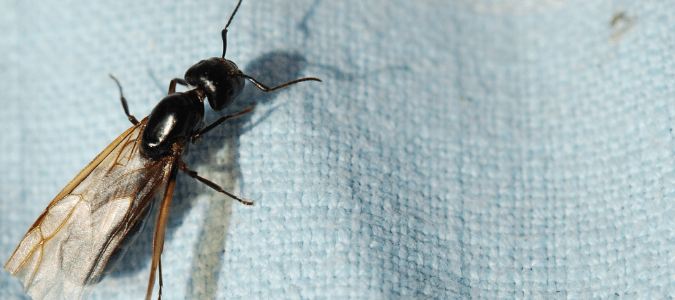
a winged carpenter ant

KEY TAKEAWAYS

  • Flying carpenter ants are swarmers, not strays. Spotting them means a mature colony is nearby — possibly already inside your home’s walls or woodwork.
  • They don’t eat wood, but they still destroy it. Carpenter ants hollow out galleries for nesting, weakening beams, sills, and frames from the inside.
  • Spring is peak season in Houston. Swarms typically emerge between February and June, often after warm, humid days.
  • Misidentifying them as termites is a costly mistake. The two pests look similar but require completely different treatments.
  • Moisture is the root cause. Most infestations trace back to a leak, drainage issue, or damp wood somewhere on the property.

What Are Flying Carpenter Ants?

Flying carpenter ants are the winged, reproductive … Read Full Post »

How To Identify Different Ant Species in Texas

a crazy ant which is one ant species in texas

Key Takeaways

  • Texas has more than a dozen ant species, and Houston deals with most of them. Warm, humid conditions make Greater Houston one of the most active ant environments in the country.
  • Tawny crazy ants are an invasive Houston problem. This species invades electrical equipment and is nearly impossible to control without professional treatment.
  • Color alone won’t identify an ant. Behavior, nesting habits, and body shape tell more than appearance, especially when several species share similar coloring.
  • Pharaoh ants are the most common indoor species in Texas homes. Standard sprays split their colonies and make infestations worse — not better.
  • Carpenter ants and termites are often confused. Knowing the difference matters: they require completely different treatments.

Common Ant Species … Read Full Post »

What Causes Cockroaches in Your House?

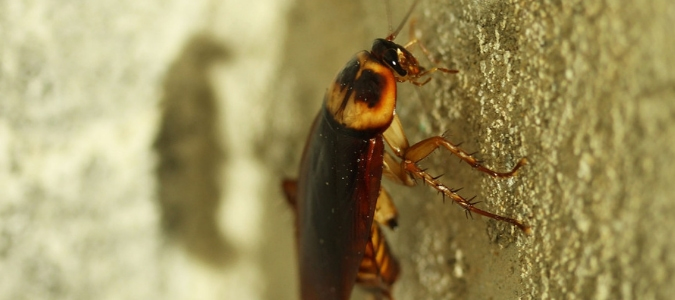
a cockroach climbing up a wall

Key Takeaways

  • Cockroaches don’t just invade dirty homes — any Houston house with accessible food, moisture, or entry points is at risk.
  • German cockroaches are the most common indoor species and spread fast; a single female can produce more than 200 eggs in her lifetime.
  • Larger species like American cockroaches typically live outdoors and enter homes through gaps, pipes, or worn weatherstripping.
  • Sealing entry points, eliminating standing water, and storing food in airtight containers are the most effective prevention steps.
  • If roaches are spotted regularly — or you notice musty odors, droppings, or egg cases — it’s time to call a professional.

What causes cockroaches? It’s a good question whether a Houston home already has a problem or just wants to … Read Full Post »

How to Get Rid of Ants in Houston: Complete Control Guide

KEY TAKEAWAYS

  • Houston’s subtropical climate means ants stay active almost year-round, with peak pressure in spring (March–May) and fall (September–October).
  • Species identification is the most critical step before treating — pharaoh ants split when sprayed, tawny crazy ants resist most consumer insecticides, and carpenter ants require a completely different approach than fire ants.
  • The Texas A&M Two-Step Method — broadcast bait first, mound drench second — is the most effective homeowner-level approach for fire ant control, best applied in spring or fall.
  • Tawny crazy ants are established across Harris County and are attracted to electronics and electrical systems, causing appliance and wiring damage that store-bought products cannot address.
  • For pharaoh ants, tawny crazy ants, carpenter ants with structural damage, or any infestation inside wall voids, professional treatment consistently outperforms DIY.

Houston homeowners deal with ants differently than people anywhere else in the country. It’s not just the sheer number of species here — it’s that several … Read Full Post »

How To Tell if Termites Are Active

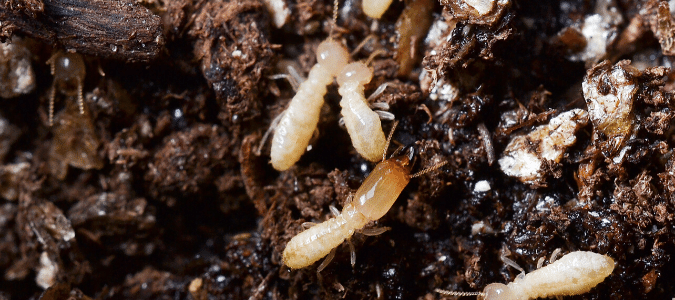
white termites in soil

Key Takeaways

  • Fresh mud tubes indicate activity — Moist, soft mud tubes that get repaired after breaking signal an active subterranean termite colony. Dry and crumbly? Old damage.
  • The mud tube test works — Break off a small section and check back in 2-3 days. If it’s rebuilt, they’re still using that pathway.
  • Clicking sounds reveal colonies — Soldier termites bang their heads against wood when disturbed. You might hear faint clicking inside walls at night.
  • Swarmers indoors = established colony — Finding winged termites inside your home means a mature colony’s already there. That’s a red flag.
  • Fresh frass confirms drywood activity — Tiny pellet-shaped droppings near wooden items? They’re actively feeding. Time to act.
  • Old damage looks different — Brittle … Read Full Post »

What Do Baby Termites Look Like?

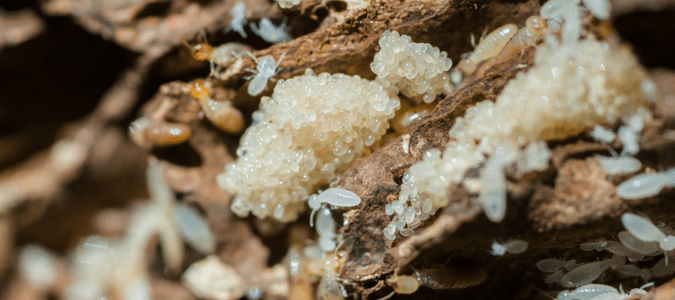
what do baby termites look like

Any homeowner who has seen small, winged, ant-like insects in or around their home has probably wondered, What do baby termites look like? It’s wise to worry about a possible termite infestation, as these insects are a severe problem if they infest your home, garage, or other structure. They can cause thousands of dollars worth of damage to your property.

In fact, termites cause more than $5 billion in property damage across the United States every year. Clearly, a savvy homeowner should know how to identify termites. Telling these creatures apart from winged ants, for example, or any other look-alike insect species, however, can be challenging. Many of us know what these insects look like in their adult form, but what about termite larvae? Read on to learn about baby termites, the termite life cycle, the swarming season, and how to keep these dangerous pests away from your most significant … Read Full Post »