ABC Blog

My AC Is Short Cycling: What Is Going On?

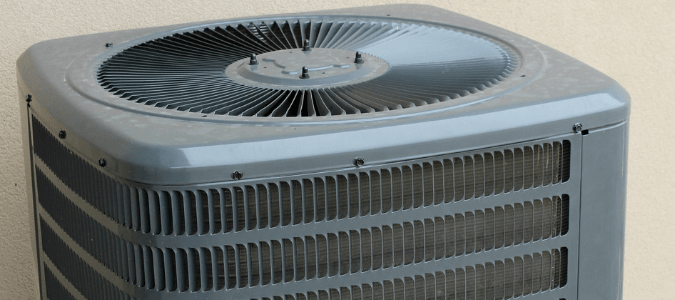
an AC unit

If your AC unit turns on, runs for a few minutes, then shuts off before the house starts to feel cooler, that’s usually the first clue something is off. One common reason is AC short cycling, which means the system keeps starting and stopping before it finishes a normal cooling cycle.

At first, it may not seem serious. Cool air might still come through the vents, and the house may feel mostly fine for a while. But what you may not realize is that each restart puts stress on the system. Startup is one of the hardest parts of the cycle. Over time, that repeated stop-and-start pattern can wear parts down faster and push your energy costs higher.

In Texas, where AC systems often run hard for long stretches of time, short cycling tends to show up faster and create problems sooner. It’s helpful to know what causes it, what you can … Read Full Post »

The Complete Guide to Air Conditioner Preventive Maintenance in Texas

a thumbnail from the video in this blog

Key Takeaways

Preventive AC maintenance helps extend the life of your system, lower energy bills and reduce the risk of unexpected breakdowns. Scheduling service once or twice a year, ideally before summer, gives an HVAC technician the chance to catch small issues before Texas heat puts extra strain on your system.

In Texas, air conditioners often run eight to ten months a year, sometimes more. That means many systems are already working hard by early spring and still running deep into fall. Over time, that long stretch of use puts steady strain on major parts, especially the compressor and coils.

Extreme heat makes that workload heavier. When temperatures stay high for days at a time, the system has to cycle longer and work harder to hold a steady indoor temperature. At the same time, dust, pollen and humidity add wear in ways most homeowners don’t … Read Full Post »

Why Is My AC So Loud? A Homeowner’s Guide to Common Causes & Fixes

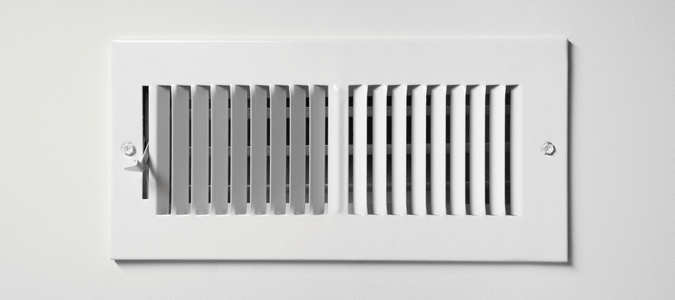
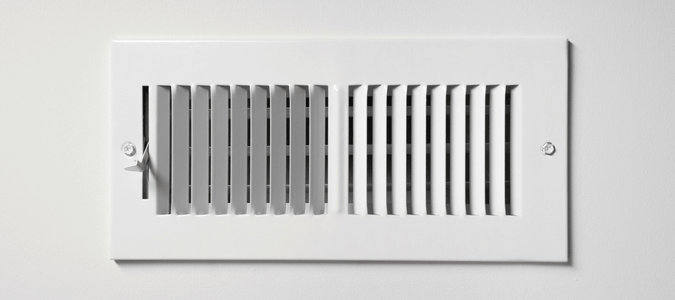
an AC vent

Key Takeaways

A loud AC unit is often the first sign that something is wrong, from loose parts and clogged filters to failing motors or refrigerant leaks. Identifying the type of sound early can help you decide whether it’s a simple DIY fix or time to call a professional.

In many parts of Texas, air conditioners run hard for most of the year. Naturally, most homeowners get used to the normal background sound of cooling. A steady hum, a brief click at startup or airflow moving through the vents doesn’t always mean anything is wrong. But when the sound changes, if it suddenly bangs, buzzes, whistles or seems louder than usual, that’s usually when people start asking “why is my AC so loud?”

Some sounds are harmless and tied to normal AC operation. Others point to parts wearing down, airflow problems or electrical issues that … Read Full Post »

Water Leaking From AC Unit: Should I Be Worried?

Water leaking from an ac unit

Key Takeaways

Water leaking from your AC can be caused by clogged drain lines, dirty air filters, frozen coils or a damaged drain pan. Some fixes can be handled by homeowners, but if the leak keeps coming back, it’s best to call a professional HVAC technician.

When it comes to water leaking from your AC unit, it’s important to know that some moisture is normal, but active leaking is cause for concern. 

If your AC unit is actively leaking, it’s important to work with a professional to get to the root of the issue. 

For Texas homeowners, leaks are especially common due to the heat and humidity we often have. Higher temperatures and humidity levels force your AC unit to work harder to cool your home, which puts stress on the system and increases the likelihood of water leaks.

This guide covers everything you need to know … Read Full Post »

My AC Is Blowing Warm Air: What Is Going On?

AC blowing warm air into a white kitchen

Key Takeaways

If your AC is blowing warm air, common culprits include clogged air filters, low refrigerant and a frozen evaporator coil. Staying on top of routine maintenance, like replacing filters every three months and scheduling annual professional tune-ups, can help Texas homeowners prevent cooling issues and keep their AC running year-round.

As a Texas homeowner, the last thing you want during the spring and summer months is for your AC to blow warm air. Not only does it make your home uncomfortable, but it can also indicate a deeper issue with your air conditioning unit. 

What does it mean when your AC blows warm air? Typically, it signals that your AC is running but not properly cooling the air. 

This guide covers the most common causes of an AC unit blowing warm air, why it’s more common in Texas homes and when you should call … Read Full Post »

Why Does My Air Conditioner Smell Musty?

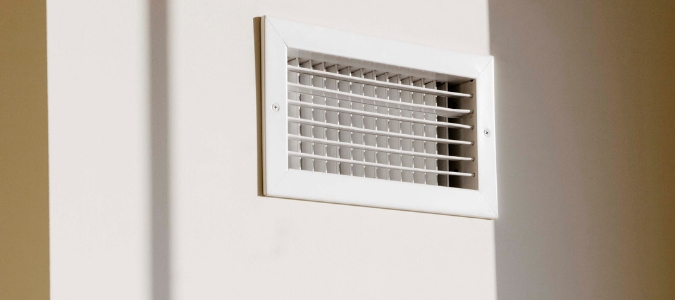
An air register that's blowing air from a musty air conditioner

Key Takeaways

A musty smell coming from your air conditioner is usually caused by moisture buildup, clogged drain lines or mildew growth. While some fixes like replacing your air filter can be done on your own, ongoing odors are best handled by a professional HVAC technician.

Have you noticed an unpleasant, musty odor in your home when you turn on the air conditioning? It may smell like dirty socks, a damp odor or another foul smell. 

You’re not imagining things. There are a number of reasons why your AC can create a musty smell in your home. Even if the smell isn’t too strong, it’s important not to ignore it. The odor can eventually lead to bigger problems, such as poor air quality, mildew and low efficiency. 

This comprehensive guide covers everything you need to know about musty air conditioning odors, including causes and fixes. Additionally, … Read Full Post »

Heater Blowing Cold Air? How To Solve This Problem

Heater Blowing Cold Air

Have you ever turned on your heater, only to notice cold air blowing through the vents? Calling in an HVAC technician to repair the unit might be your first move. Before you do that, you can start by understanding why your heater is malfunctioning.

Some issues are easy to fix on your own, while others require help from an HVAC pro.

Common Reasons Why Your Heater Is Blowing Cold Air

A frequent complaint of homeowners during the colder months is noticing that their heater is blowing cold air. There are typically eight reasons why this happens.

  • The heater is still warming up
  • The pilot light is out
  • The heater is not powerful enough
  • Incorrect thermostat setting
  • Dirty air filter
  • Blower motor problems
  • Cracked heat exchanger
  • Blocked or leaky ductwork

Let’s dive into each of these issues.

The Heater Is … Read Full Post »

Heater Is Not Turning On: Troubleshooting Tips

a thumbnail from the video in this blog post

Homeowners rely on their heaters to keep their homes comfortable during the cold. Unfortunately, heaters can stop working out of nowhere, leaving you wondering what went wrong. The good news is that there are several ways to troubleshoot heating issues. However, it’s important to understand that all major heating system repairs should be left up to professionals. Your heater serves a vital purpose in your home and deserves the best care to ensure its longevity. If you can’t figure out why your heater isn’t turning on, contact a local HVAC repair service to inspect your system.   

Heater Is Not Turning On: Troubleshooting Tips

There are several potential reasons why your heater is not turning on. Most of them are simple fixes that homeowners can troubleshoot on their own. However, if fixing the following issues doesn’t resolve the issue, you should contact an HVAC expert to inspect your system. These steps include:

Best Temperature For Heater In Winter

a thumbnail from the video in the blog

As a homeowner, selecting the right temperature for your heater can be a challenging task. On one hand, you want everyone under your roof to be comfortable. And on the other hand, you don’t want a thermostat setting that makes your utility bills skyrocket. So, what temperature do you go for?

What Is the Ideal Thermostat Setting During the Day in Winter?

To keep costs low, the U.S. Department of Energy recommends a temperature range of 68 to 70 degrees in the winter.

However, these figures are not set in stone. Gary Cremeans, HVAC Operations Manager at ABC Home & Commercial Services, says that the best temperature to set your thermostat to in winter is a temperature that is comfortable for you and your family. Additionally, some thermostats may read cooler or warmer depending on a variety of factors. 

That said, if you are looking to cut down on your utility bills, there are … Read Full Post »

Why Is My Furnace Blowing Cold Air?

A furnace blowing cold air through open air vents

Have you ever walked into your home on a cold night, only to realize your furnace is blowing cold air? Many homeowners would find this alarming. In many cases, the cause is something minor you can troubleshoot in just a few minutes. In some cases, it could be a problem that’s best handled by an HVAC expert.

Reasons Why Your Furnace Is Blowing Cold Air

Noticing that your furnace is blowing cold air? This issue could be caused by a number of issues, including:

  • Incorrect thermostat settings
  • Closed supply vents
  • Dirty air filter
  • Furnace hasn’t warmed up yet
  • Faulty gas valves and pilot light
  • Faulty fan limit switch
  • Faulty flame sensor

Let’s take a closer look at each of these potential causes.

Incorrect Thermostat Settings

It’s helpful to think of a thermostat as your furnace’s control panel. It regulates the temperature … Read Full Post »